

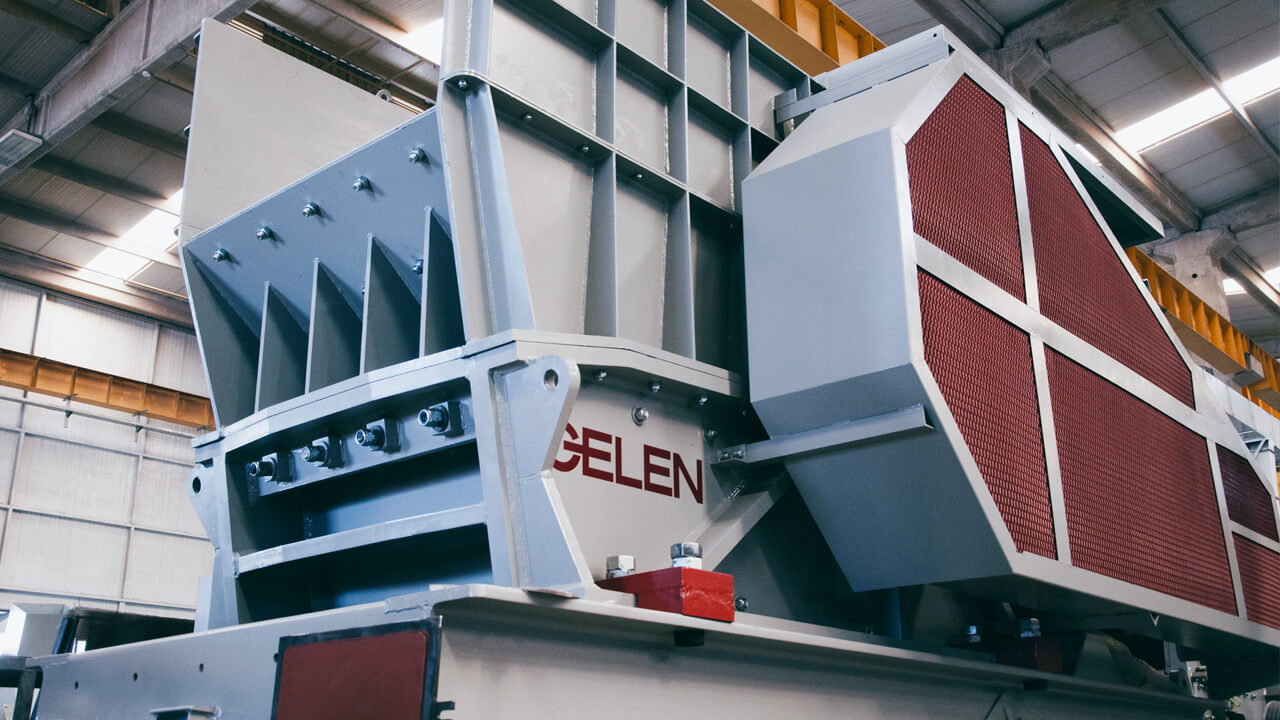
Dive deeper into crushing, screening, and material handling topics with expert articles written by the GELEN engineering team.
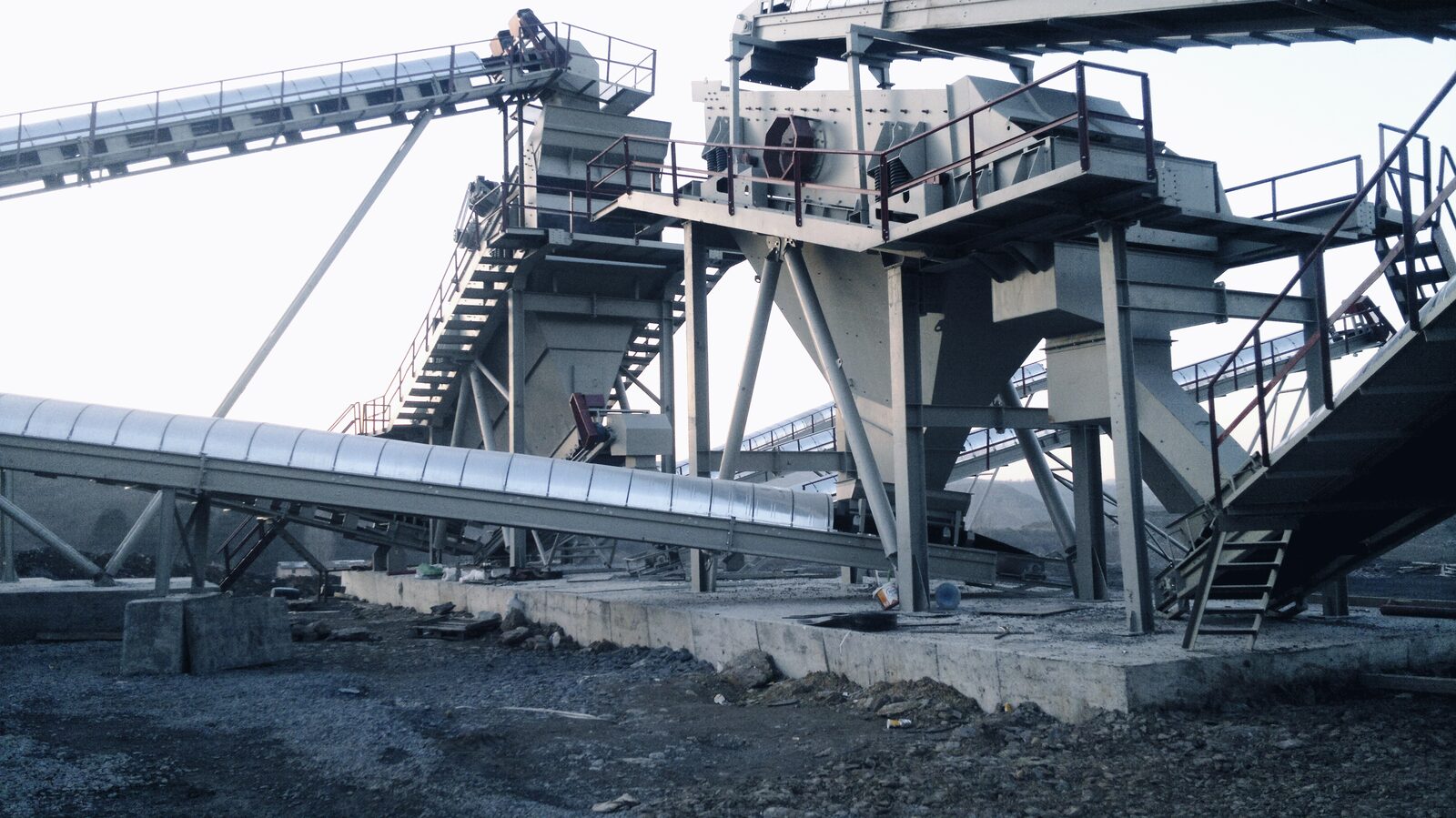
How inclined vibrating screens work, when to use them, how to size and tune them. Covers circular motion, deck angles, screen media, sizing formulas, and the GELEN STE Series.
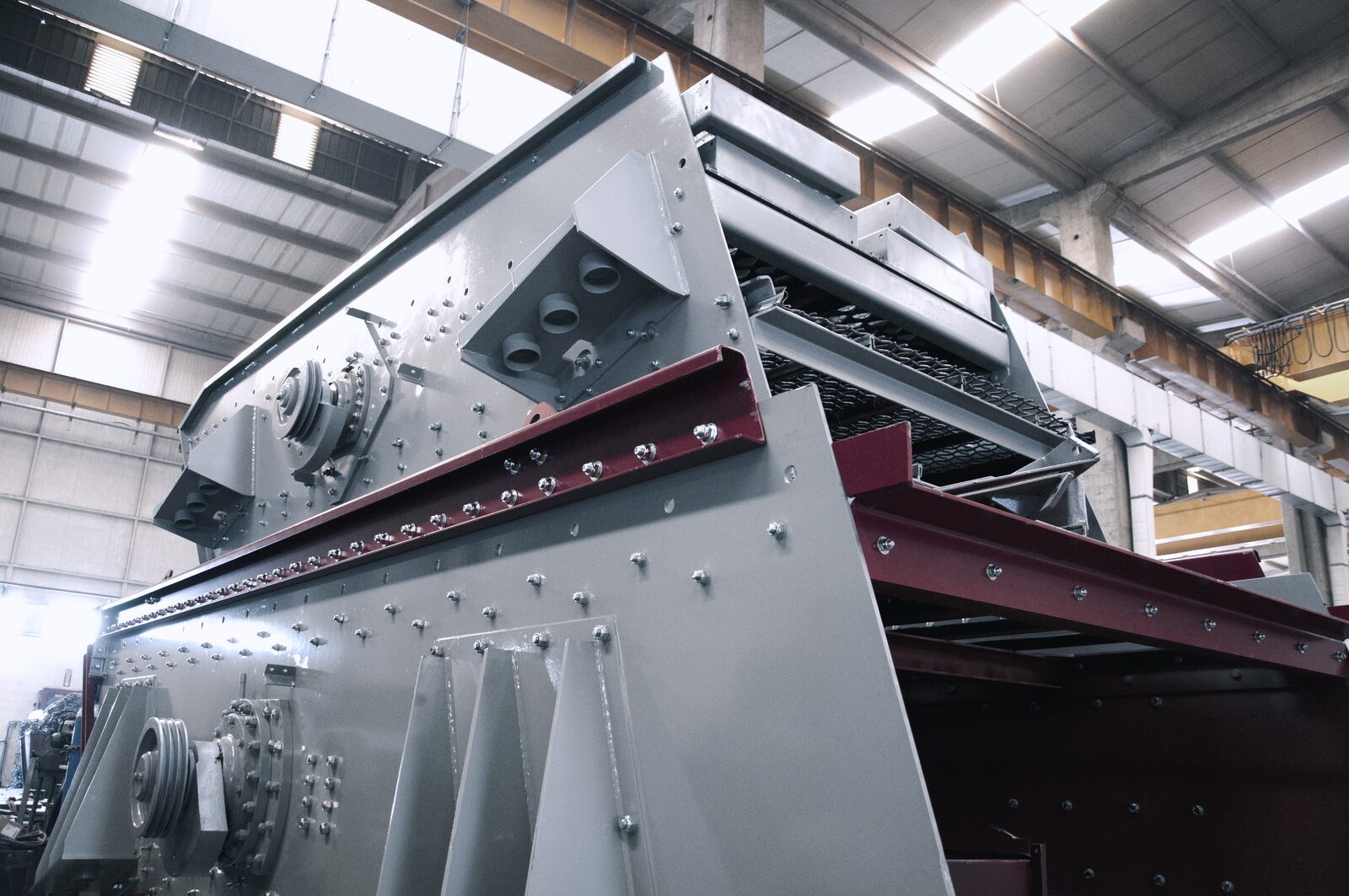
The full inclined screen capacity formula with K-factor corrections, two worked examples (limestone and granite), common sizing mistakes, and the STE Series quick-reference table.
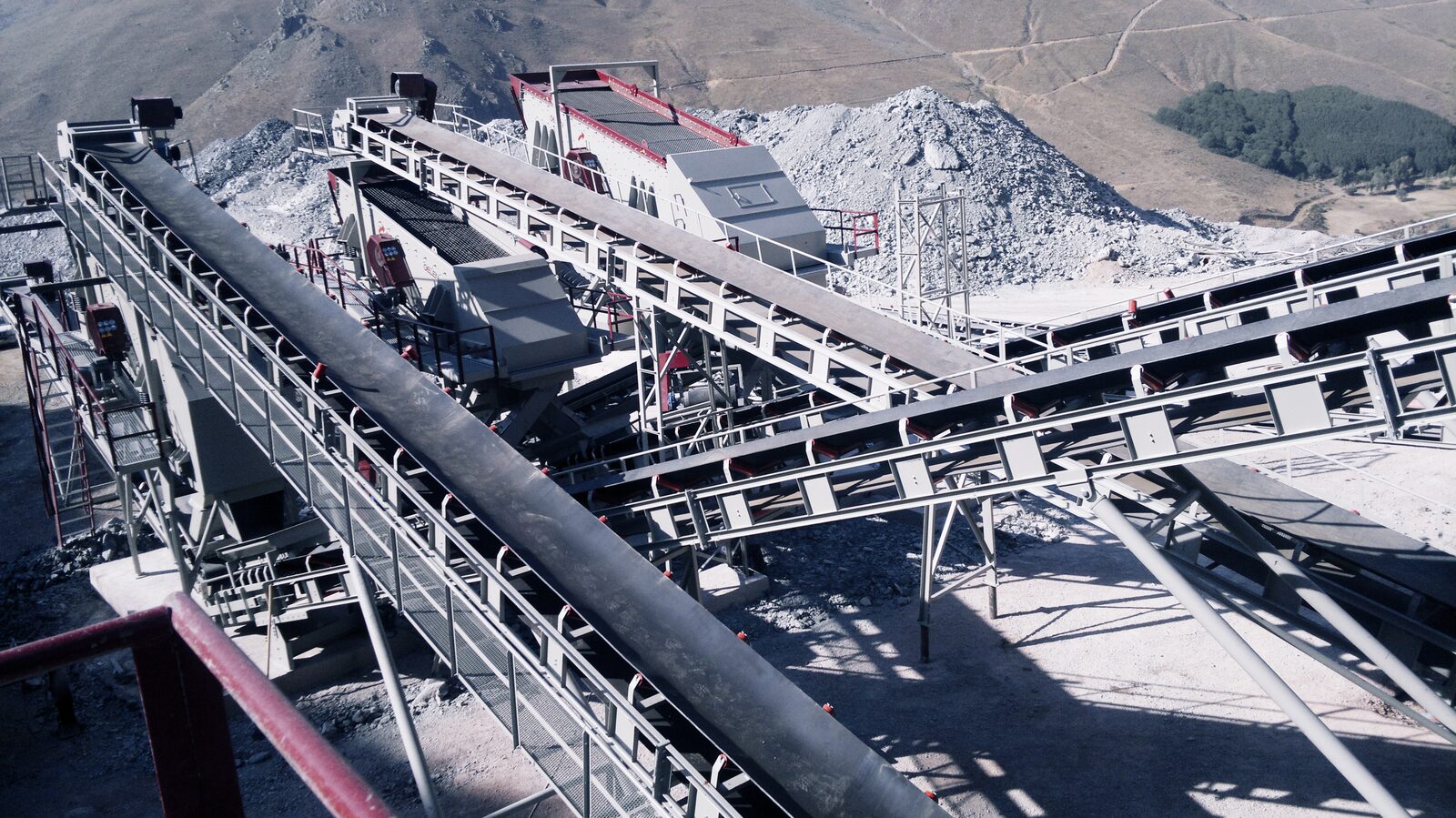
Side-by-side comparison of inclined, horizontal and banana vibrating screens with a 5-question decision flowchart, cost analysis, and recommendations by application.
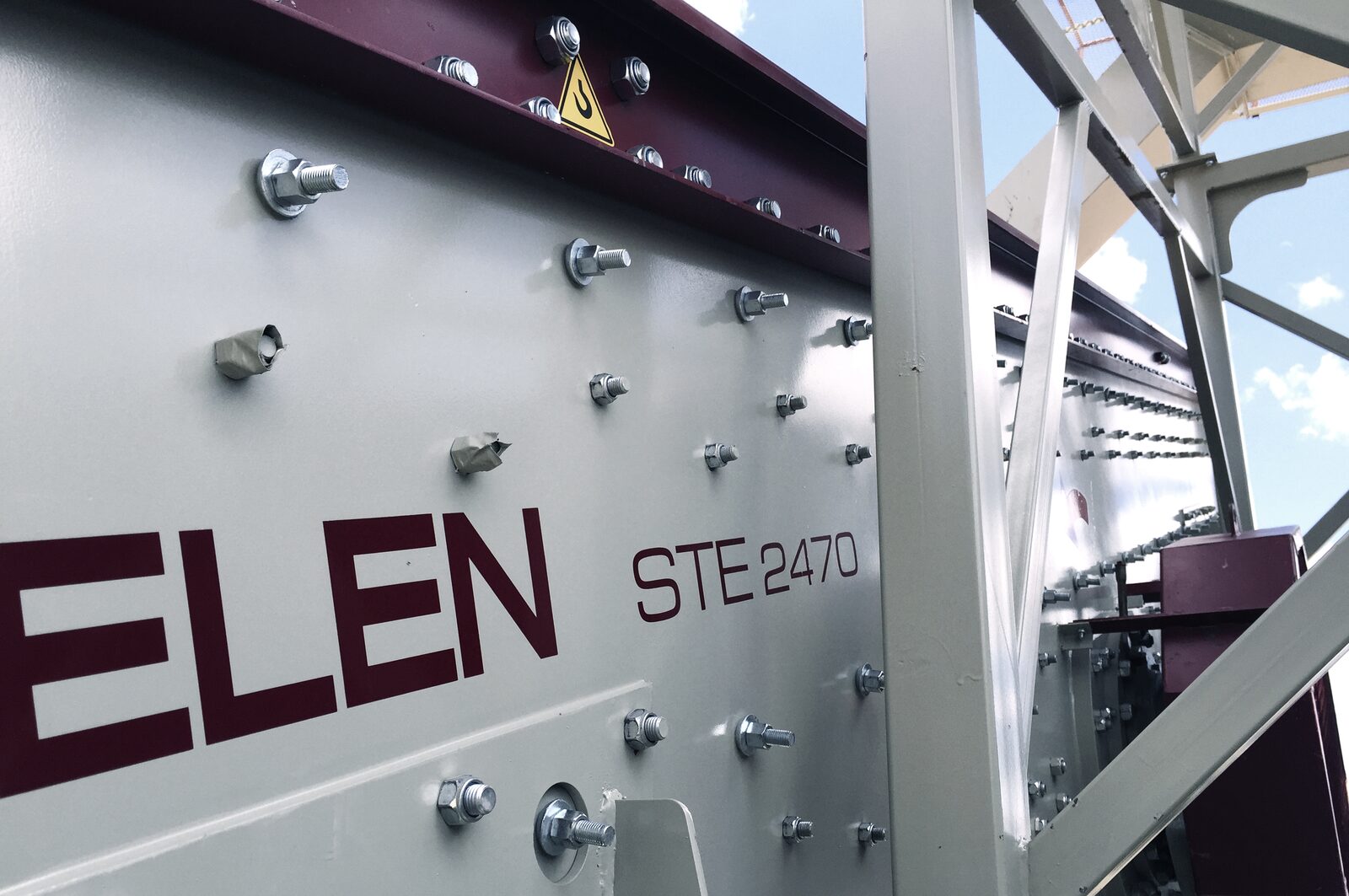
Wire mesh vs polyurethane vs rubber — wear life, cost per ton, and material-specific recommendations. Cost-life economics and the optimal media combinations for each industry.
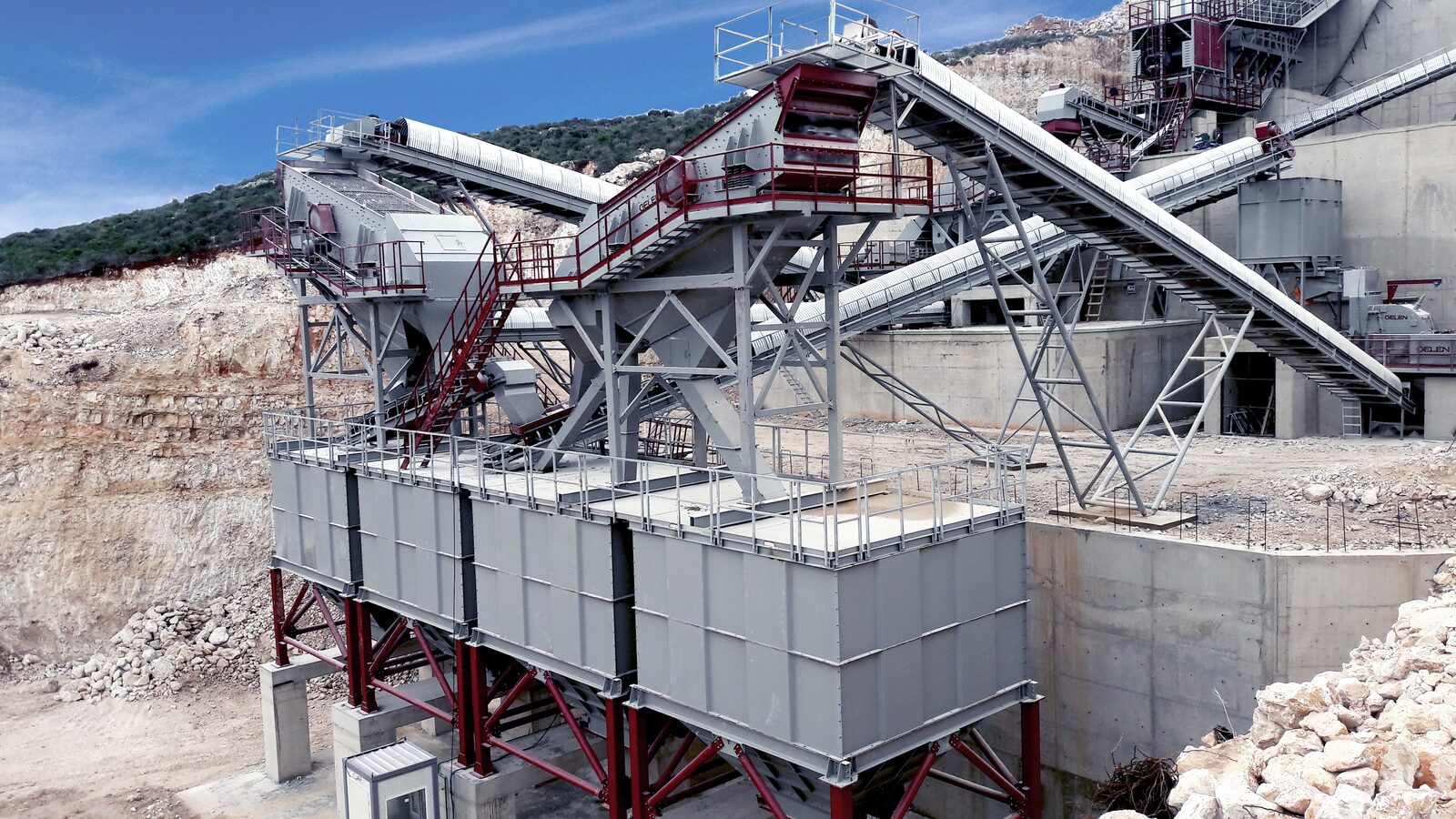
Real plant configurations for aggregate, mining, recycling, sand washing, coal, and industrial minerals — with STE Series model recommendations for every duty.
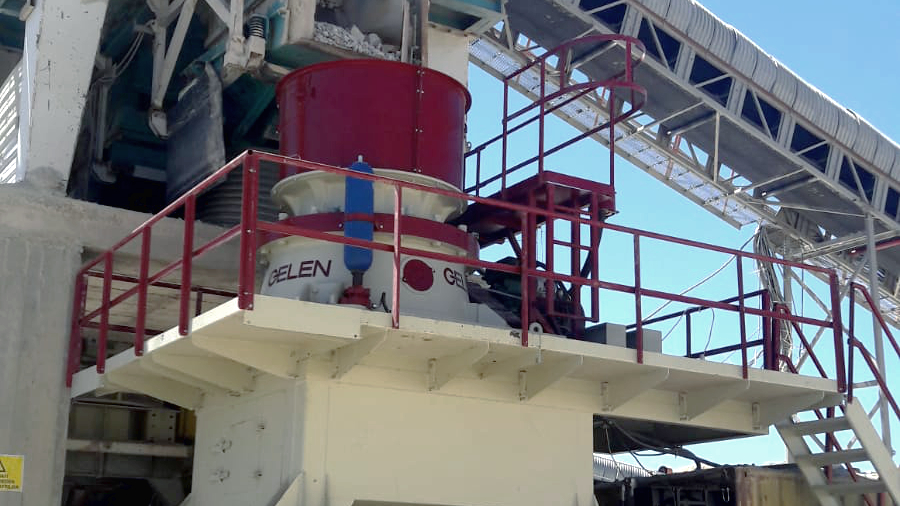
Everything you need to know about cone crushers — working principle, standard vs short head, hydraulic vs spring, and a step-by-step selection guide with comparison tables.
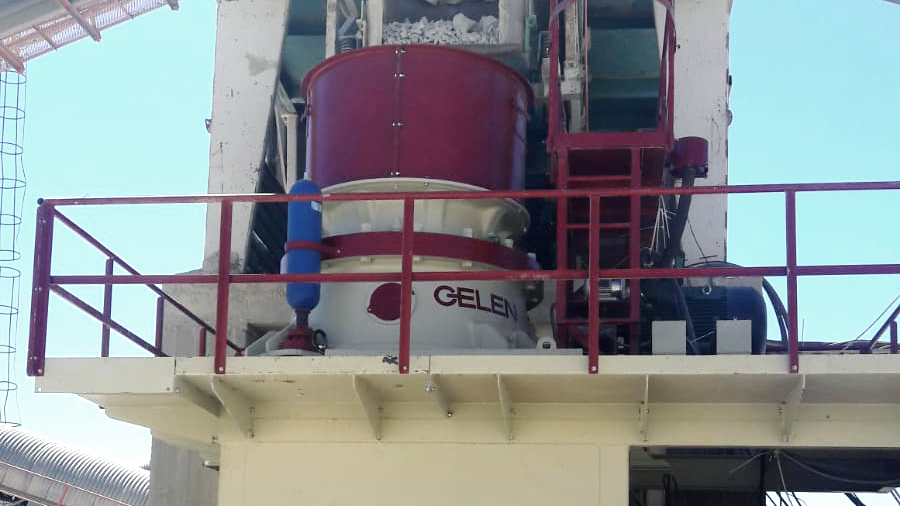
Understand CSS vs OSS, learn how to measure and adjust CSS step by step, and match your CSS to asphalt, concrete, or road base aggregate specifications.
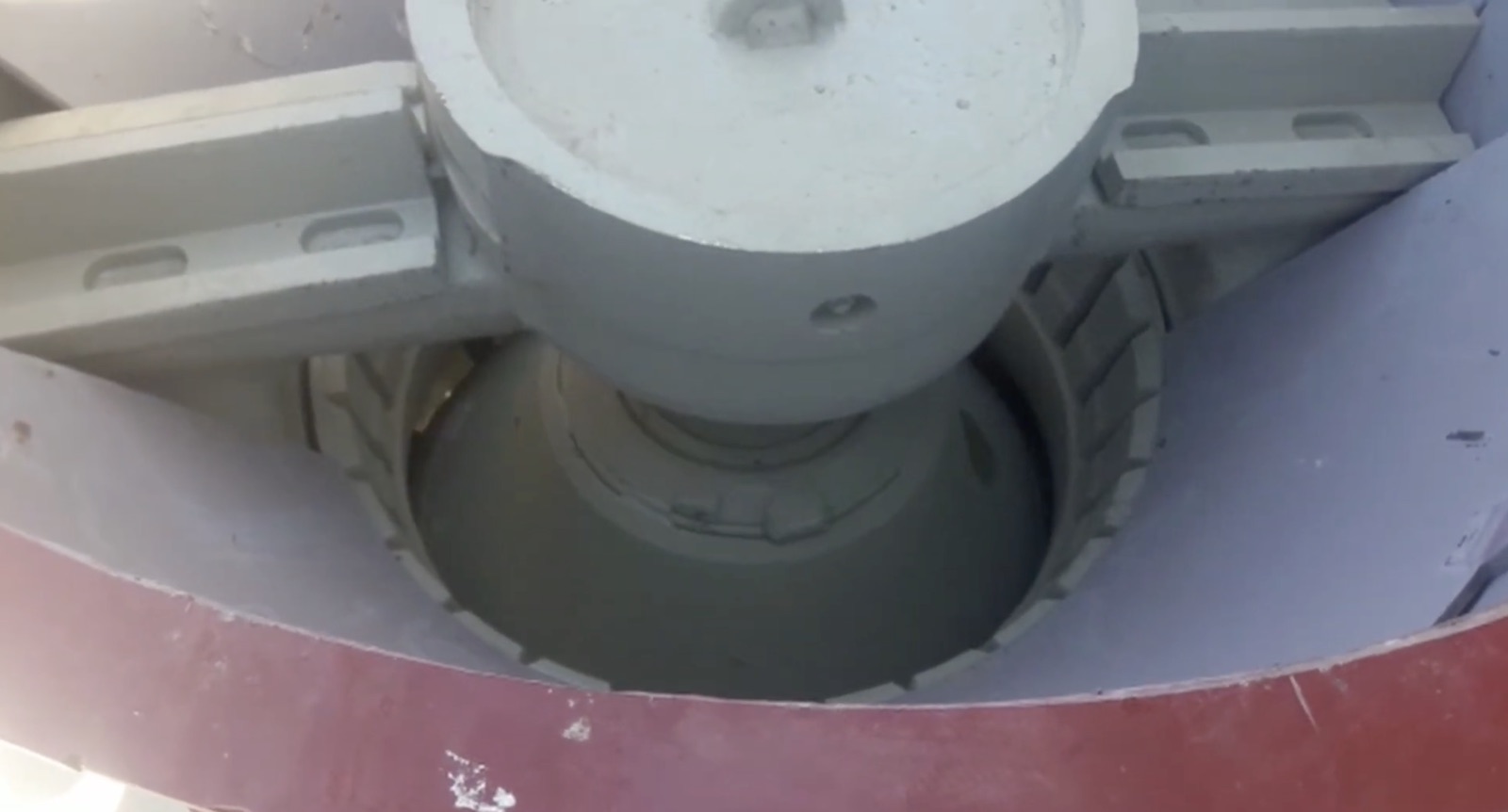
Mantle and concave wear signs, liner life by material type, 8-step replacement procedure, and Fine vs Medium vs Extra Coarse liner profile selection.
Side-by-side comparison of mobility, setup time, CAPEX, OPEX, and throughput — plus when to consider hybrid semi-mobile configurations.
Material-specific CSS recommendations, liner alloy selection (14Mn vs 18Mn), expected liner life, and when an impact crusher is the better choice.
Daily, weekly, monthly, and annual maintenance checklists — oil temperature limits, CSS drift monitoring, liner wear inspection, and common problem prevention.
Open vs closed circuit design, screen sizing rules, choke feeding setup, a 200 tph granite quarry case example, and common circuit design mistakes to avoid.
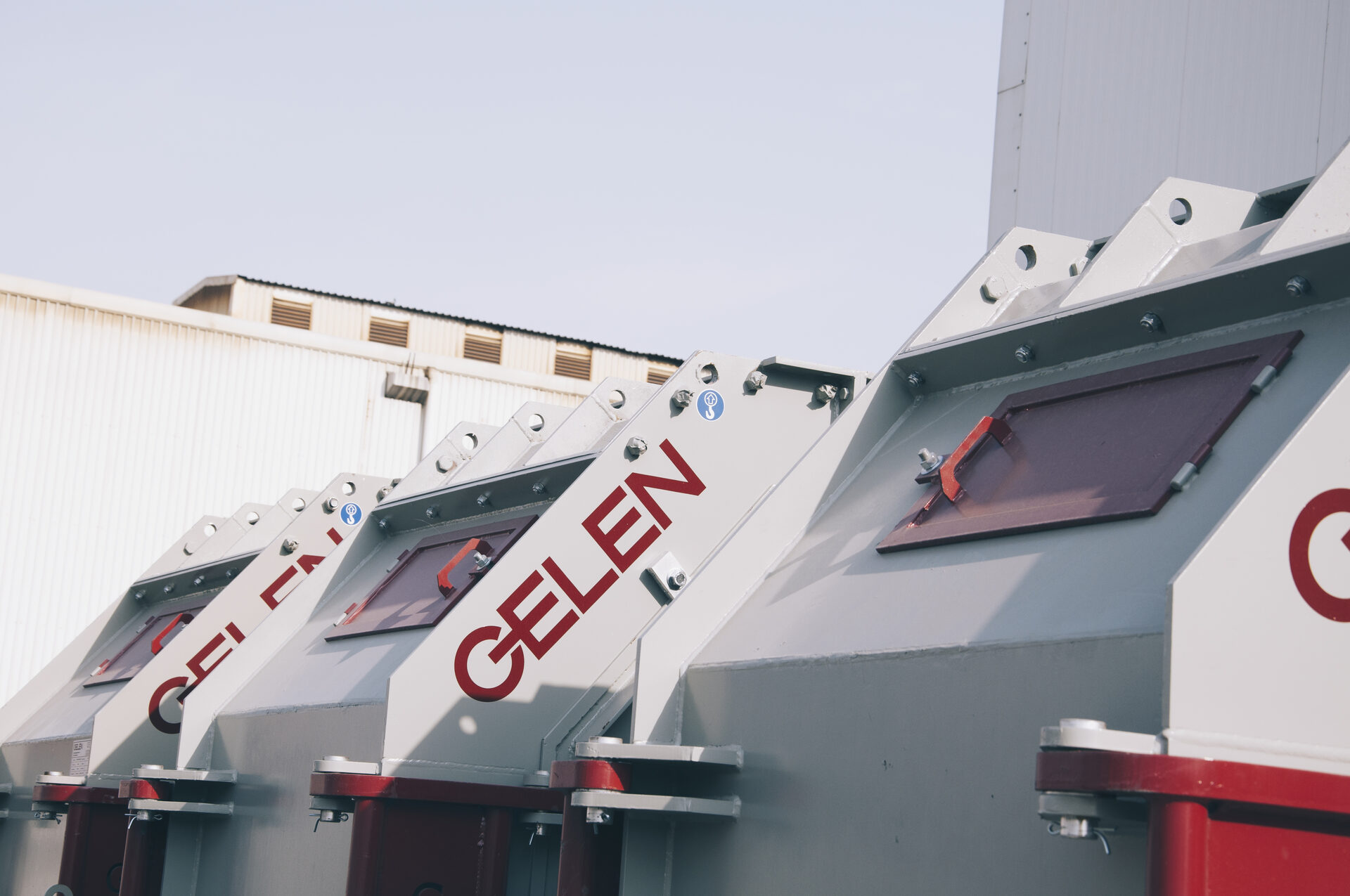
Symptom → cause → fix for oversized output, excessive fines, blow bar breakage, uneven wear, abnormal vibration, bearing overheating, and throughput loss.
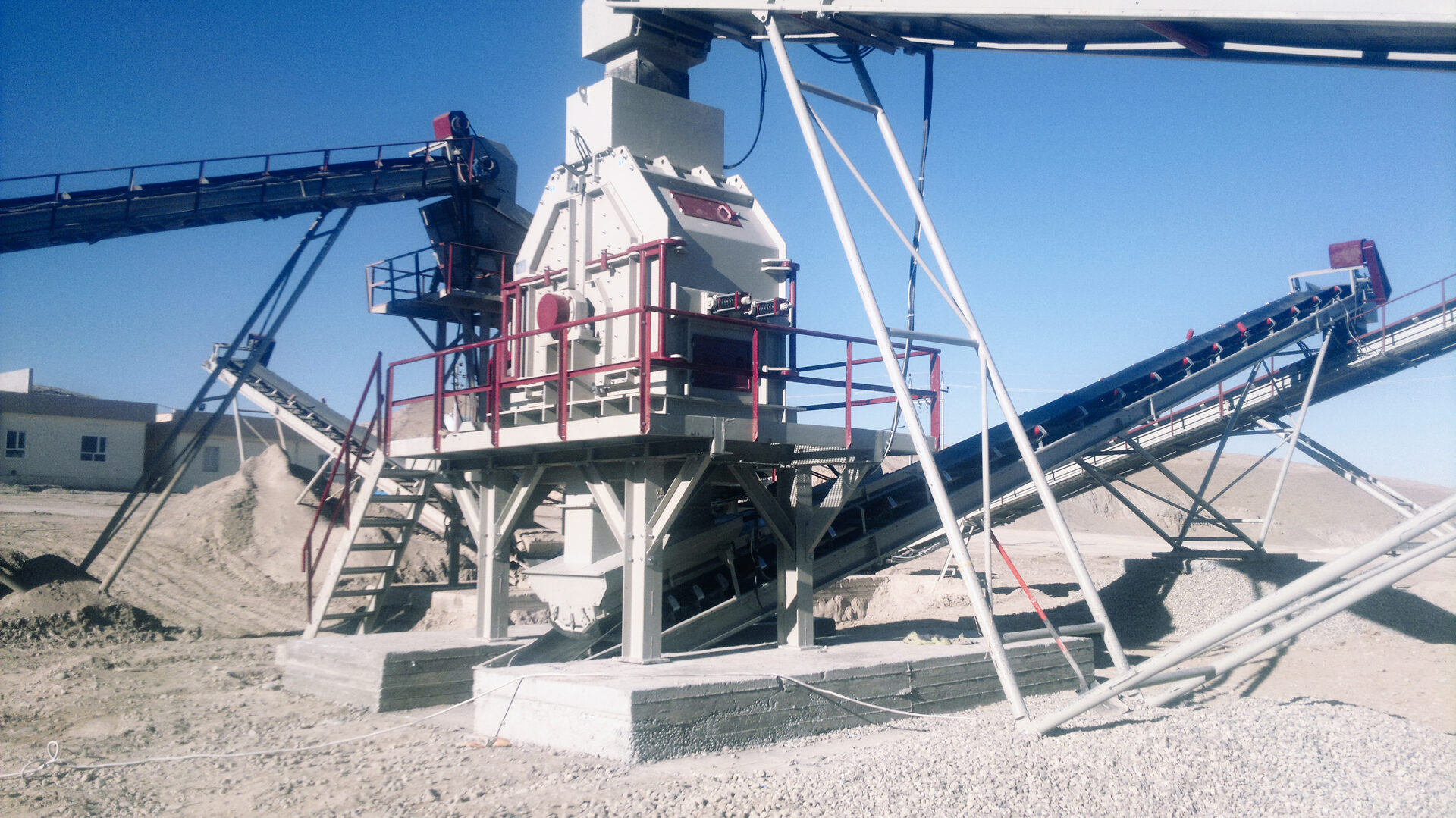
Step-by-step apron gap adjustment procedure, rotor speed effects on product fineness, and practical tables for matching CSS to your target gradation.
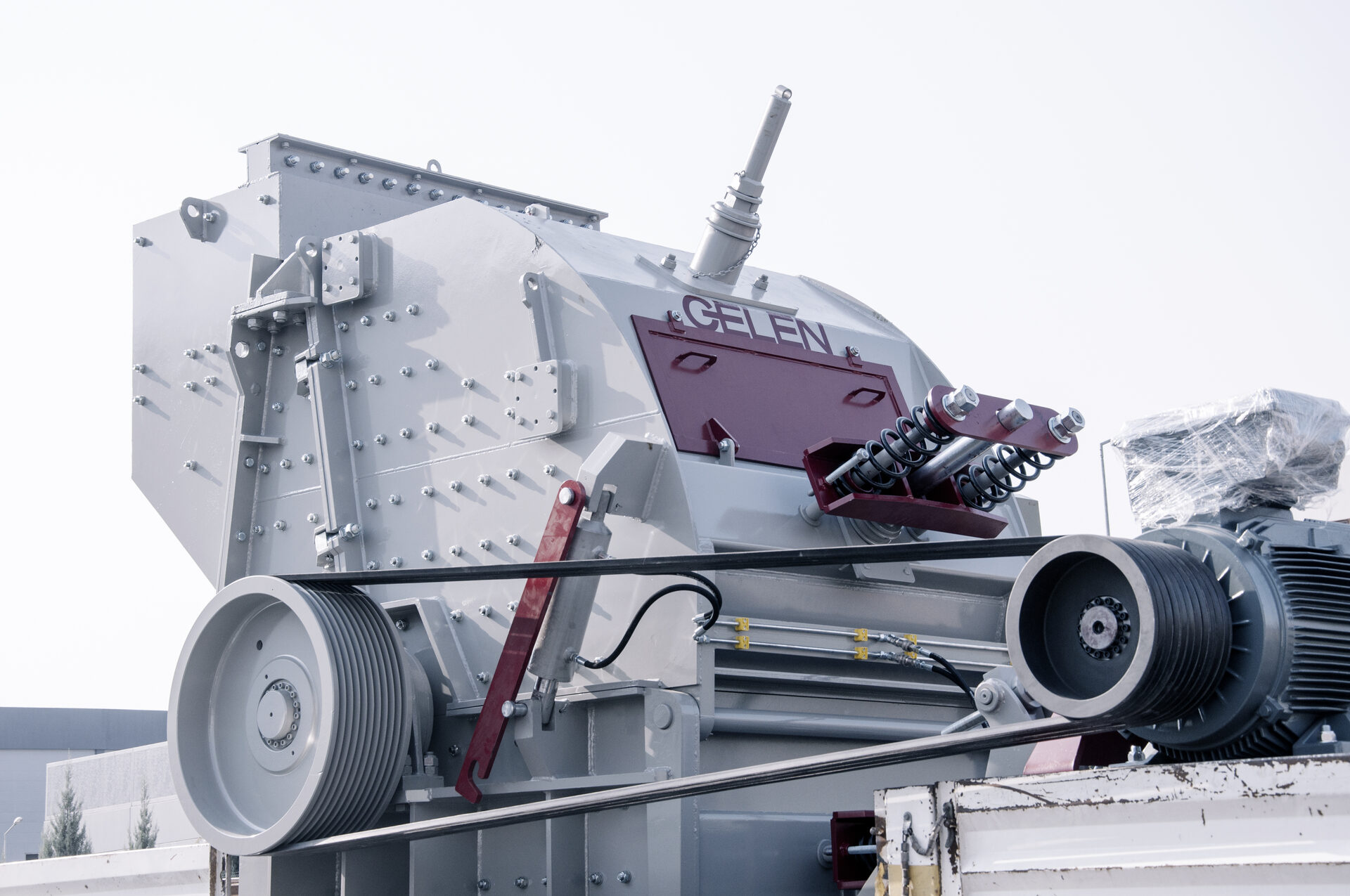
Rebar handling strategies, blow bar selection for contaminated feed, CSS settings for recycled aggregate grades, and mobile plant considerations.
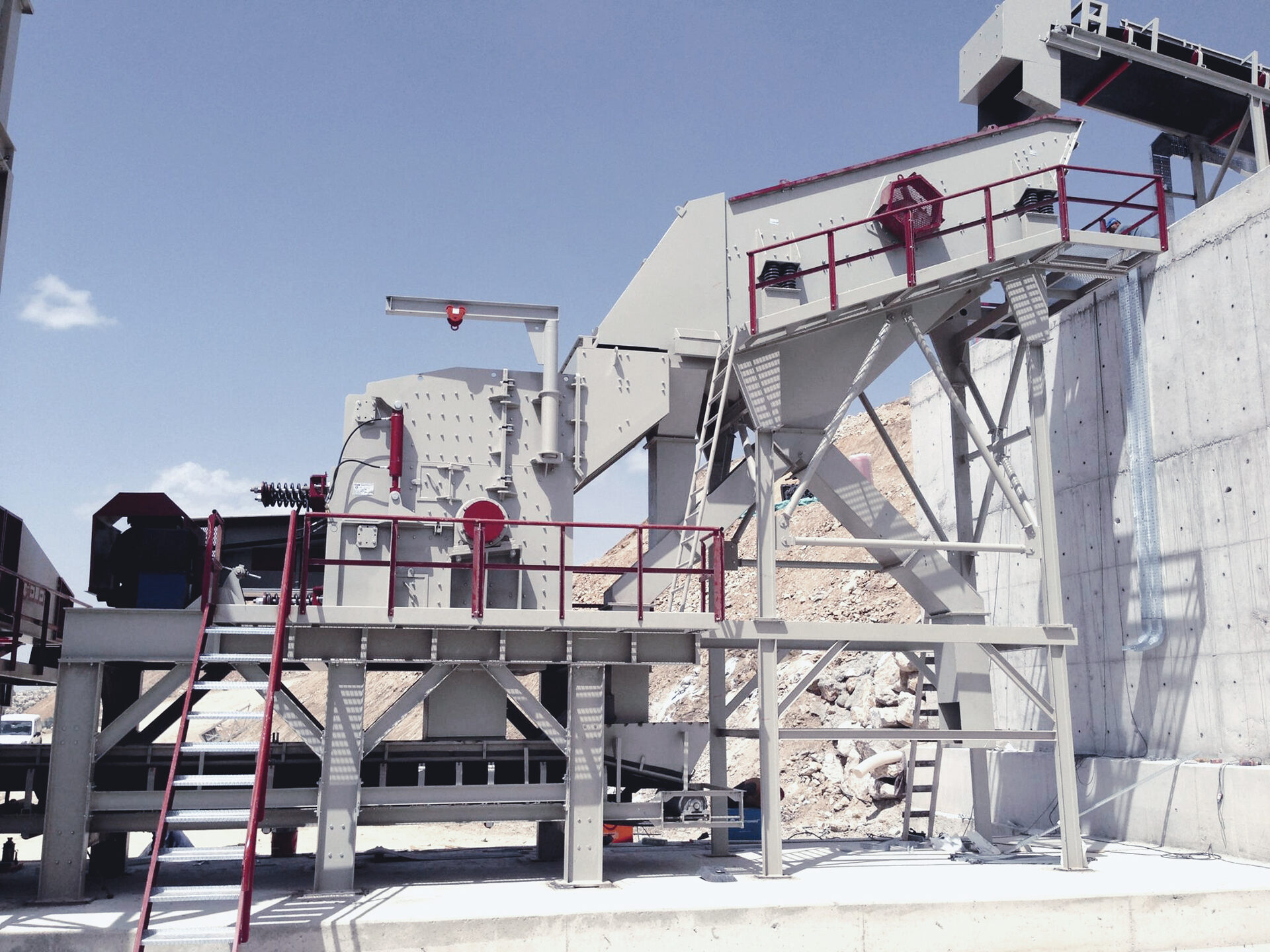
Printable maintenance checklists with bearing temperature limits, blow bar wear triggers, hydraulic system checks, and a maintenance log template.
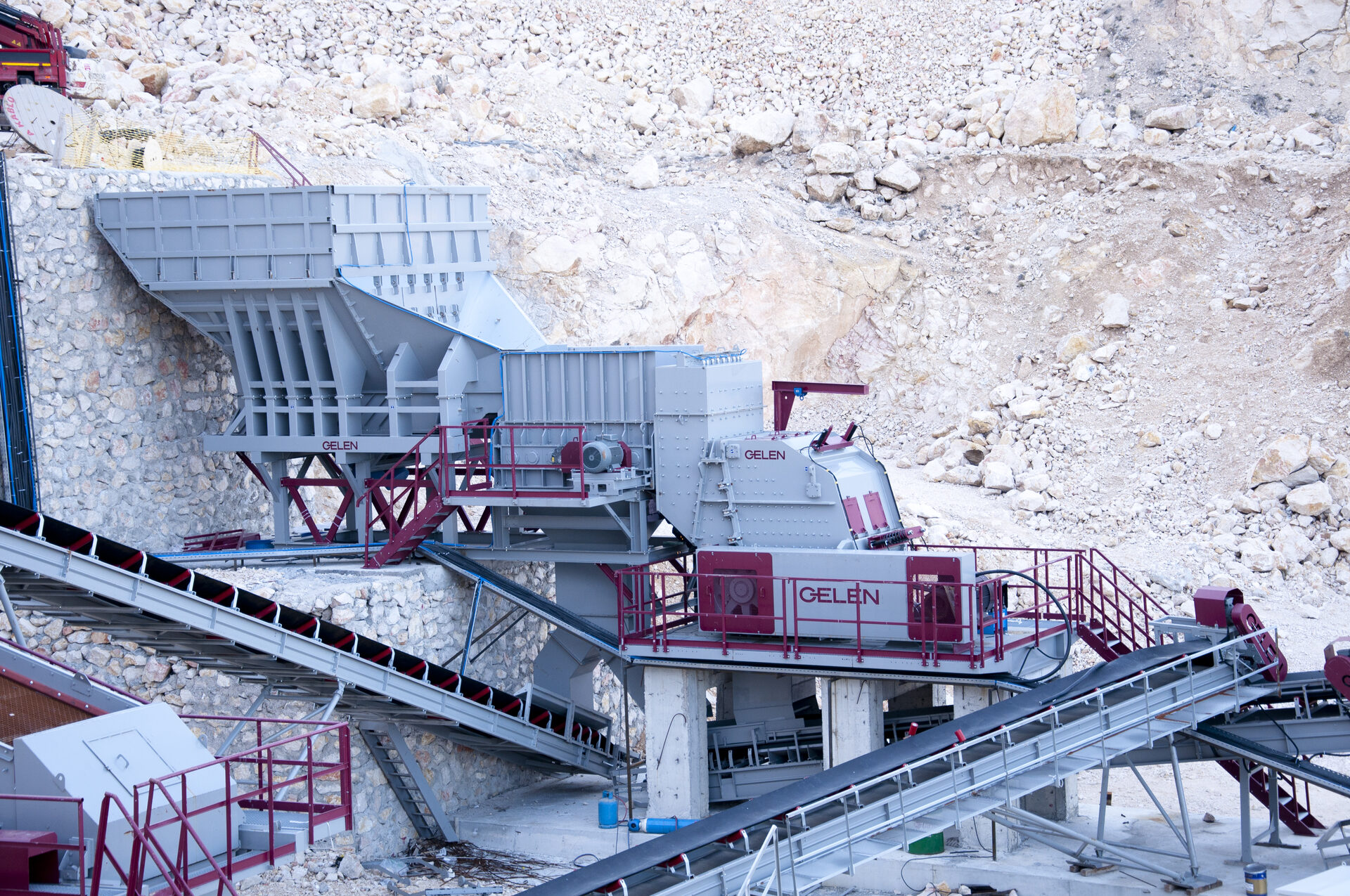
Manganese vs martensitic vs high chrome vs ceramic MMC — material-to-alloy selection matrix, wear life comparison, and step-by-step replacement procedure.
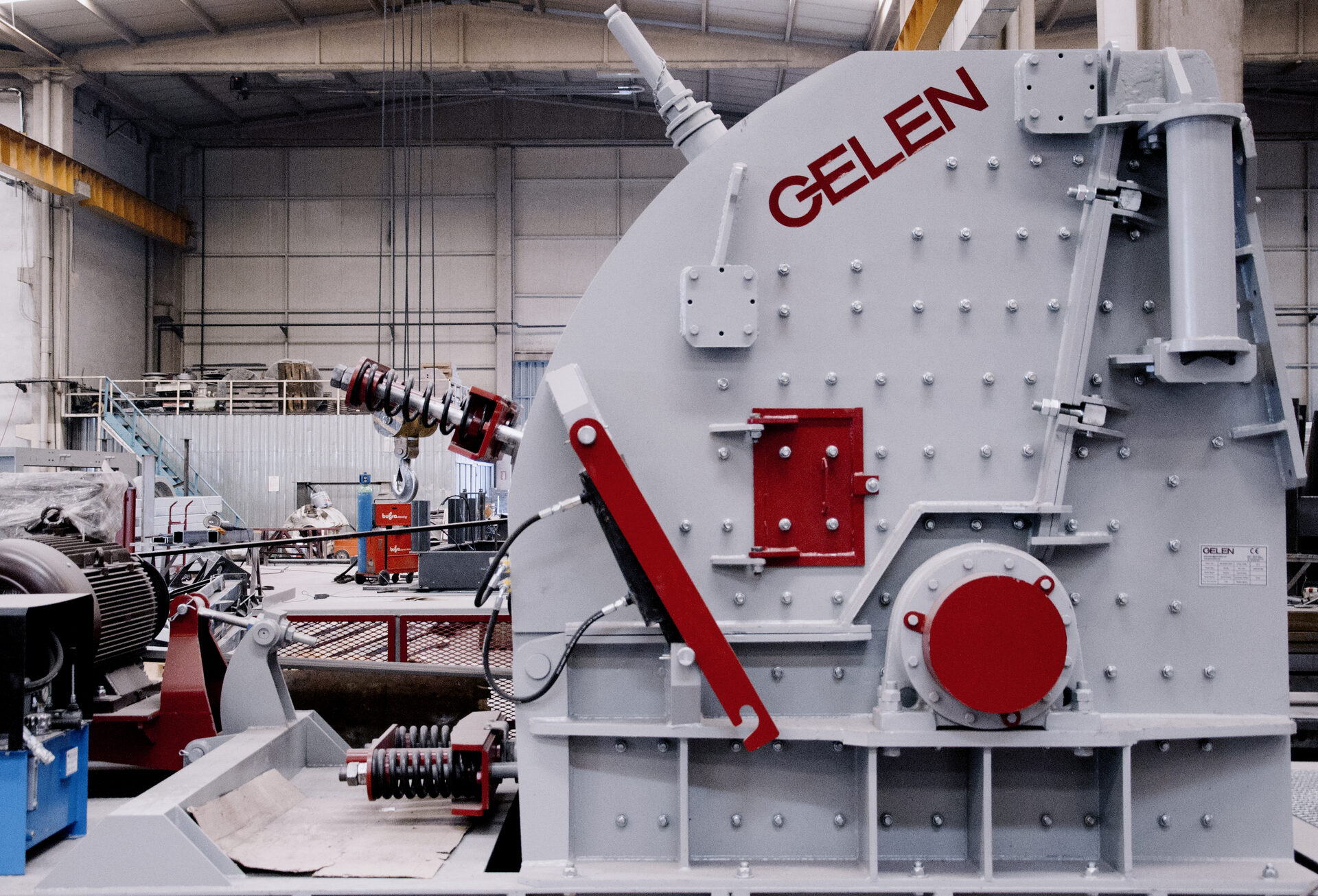
Full comparison of horizontal and vertical shaft impact crushers — application range, feed limits, product shape, circuit position, and when to use both in series.
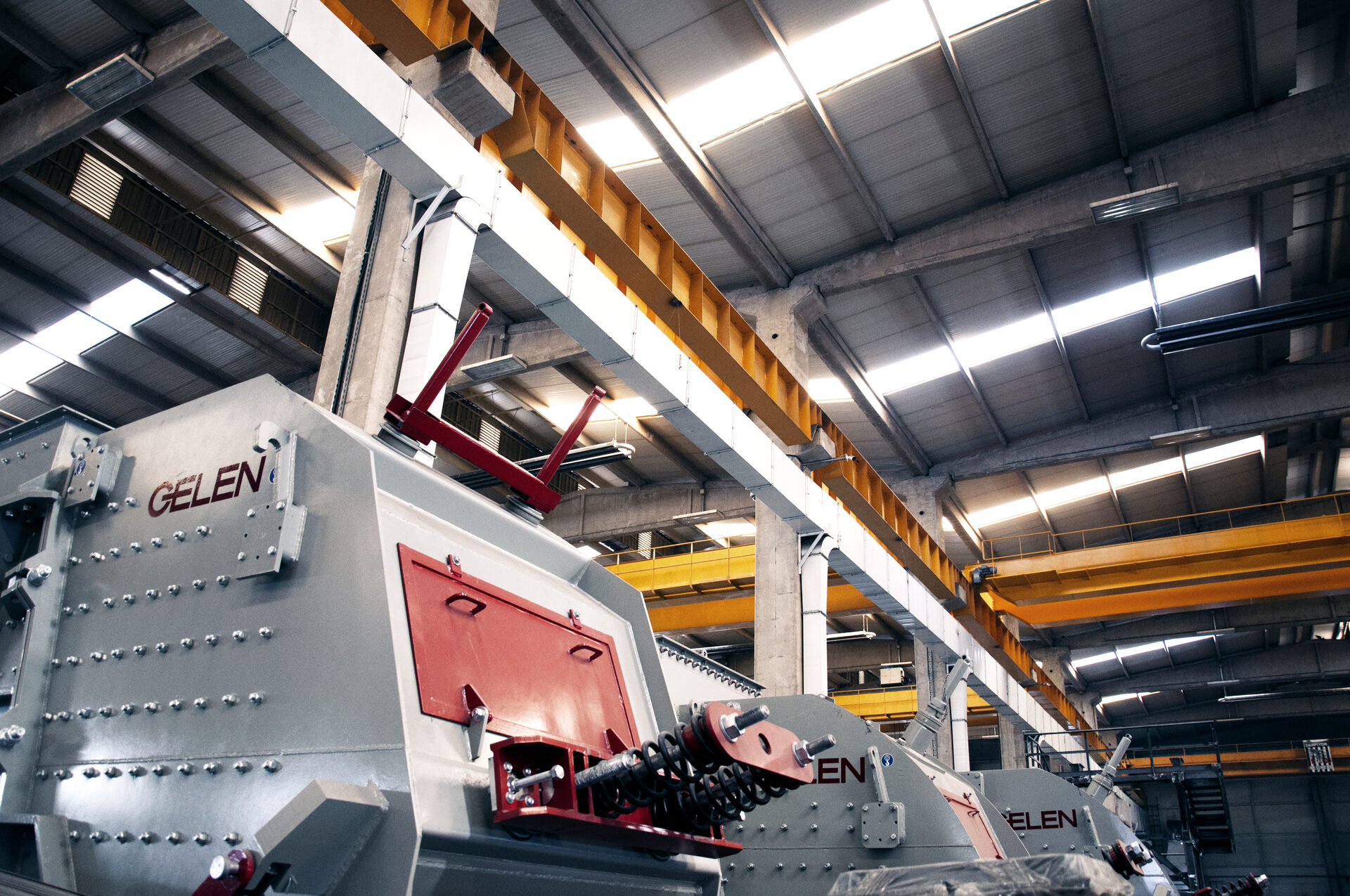
How HSI crushers work, how to choose the right model and size, blow bar selection, maintenance schedule, and cost-per-ton analysis — all in one guide.

Master horizontal screen sizing with our step-by-step mathematical guide, area formulas, and basic capacity calculations for accurate planning.

Compare horizontal (elliptical/linear) and inclined circular screens side-by-side to make the most cost-effective decision for your crushing circuit.

Learn how to properly configure your spray bars, troubleshoot water pressures, and eliminate blinding through proper wet screening technique.

Preventative maintenance schedules, bearing replacement indicators, and daily checklists to extend screen lifespan beyond 10,000 hours.

Stop constant downtime and efficiency losses by identifying the root cause of mesh blockages and implementing these 7 proven fixes.

Discover how GELEN ETE horizontal screens are deployed across aggregates, mining, coal processing, and C&D recycling.

Stop guessing. Use this step-by-step diagnostic guide to resolve the 5 most common issues causing unplanned downtime on vibrating screens.

Purchase price is only 30% of the cost. Understand the financial impact of energy, downtime, and maintenance over 5 years.
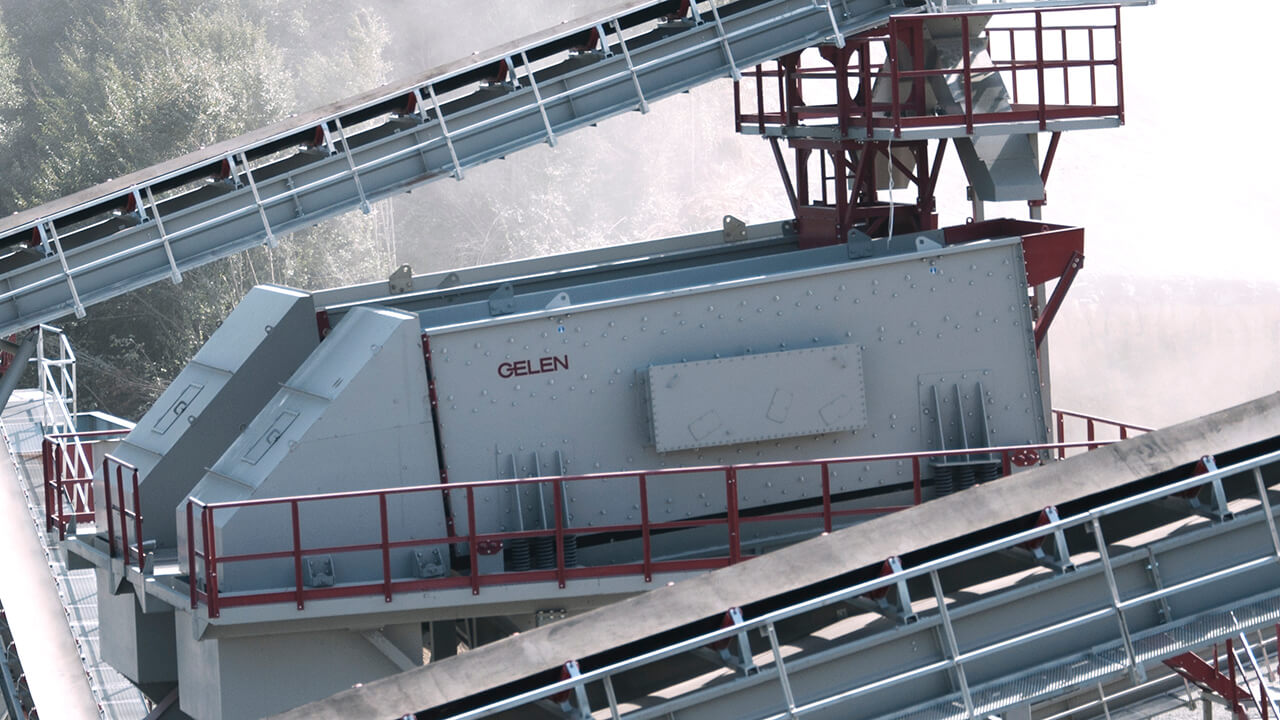
When to choose a horizontal screen, how the ETE triple-shaft ellipse works, sizing formulas, wet screening setup, and anti-blinding tips.
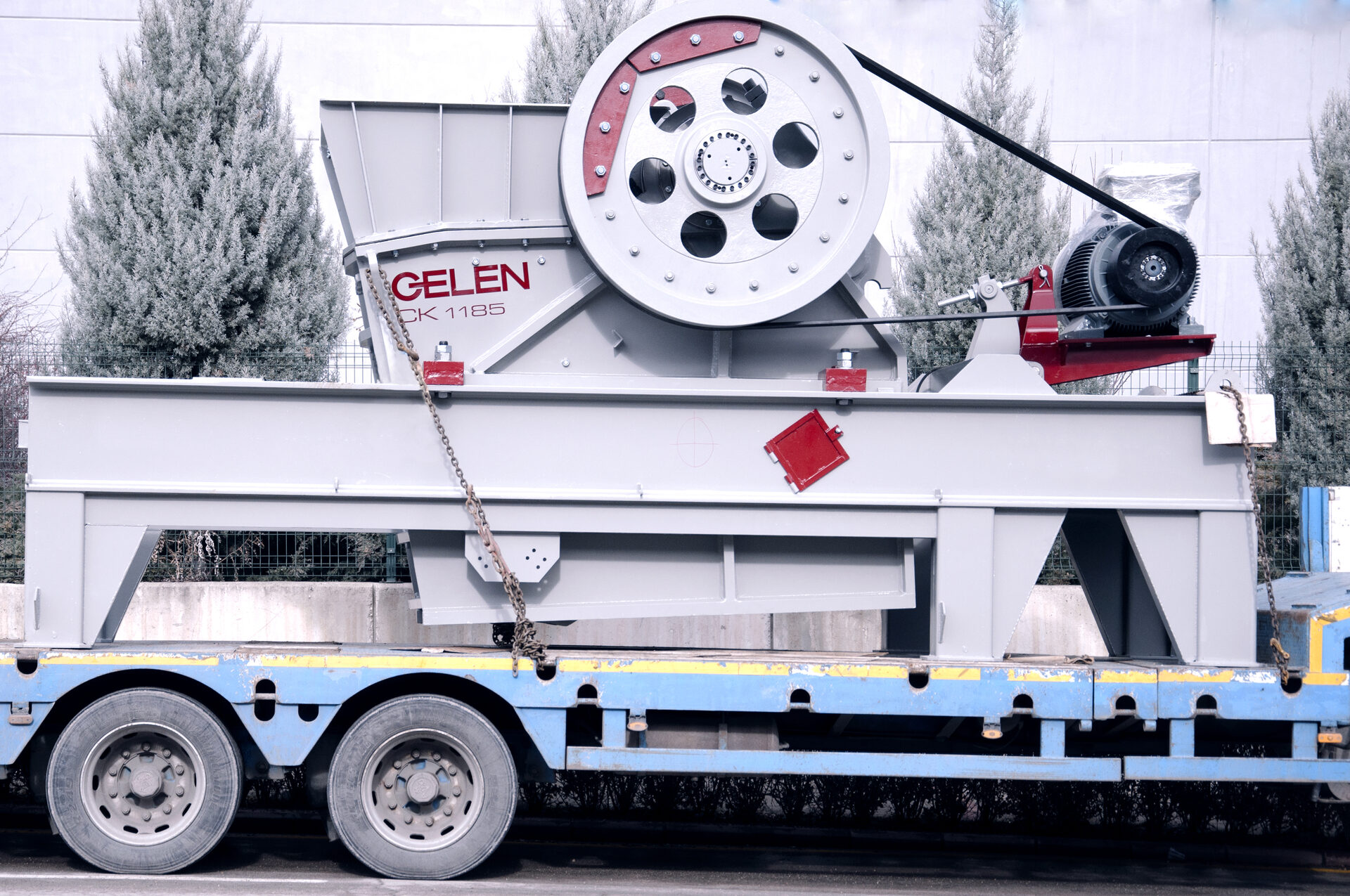
Step-by-step handbook for sizing, CSS/OSS setup, 5-year TCO comparisons, maintenance plans, troubleshooting, and energy-saving tips.
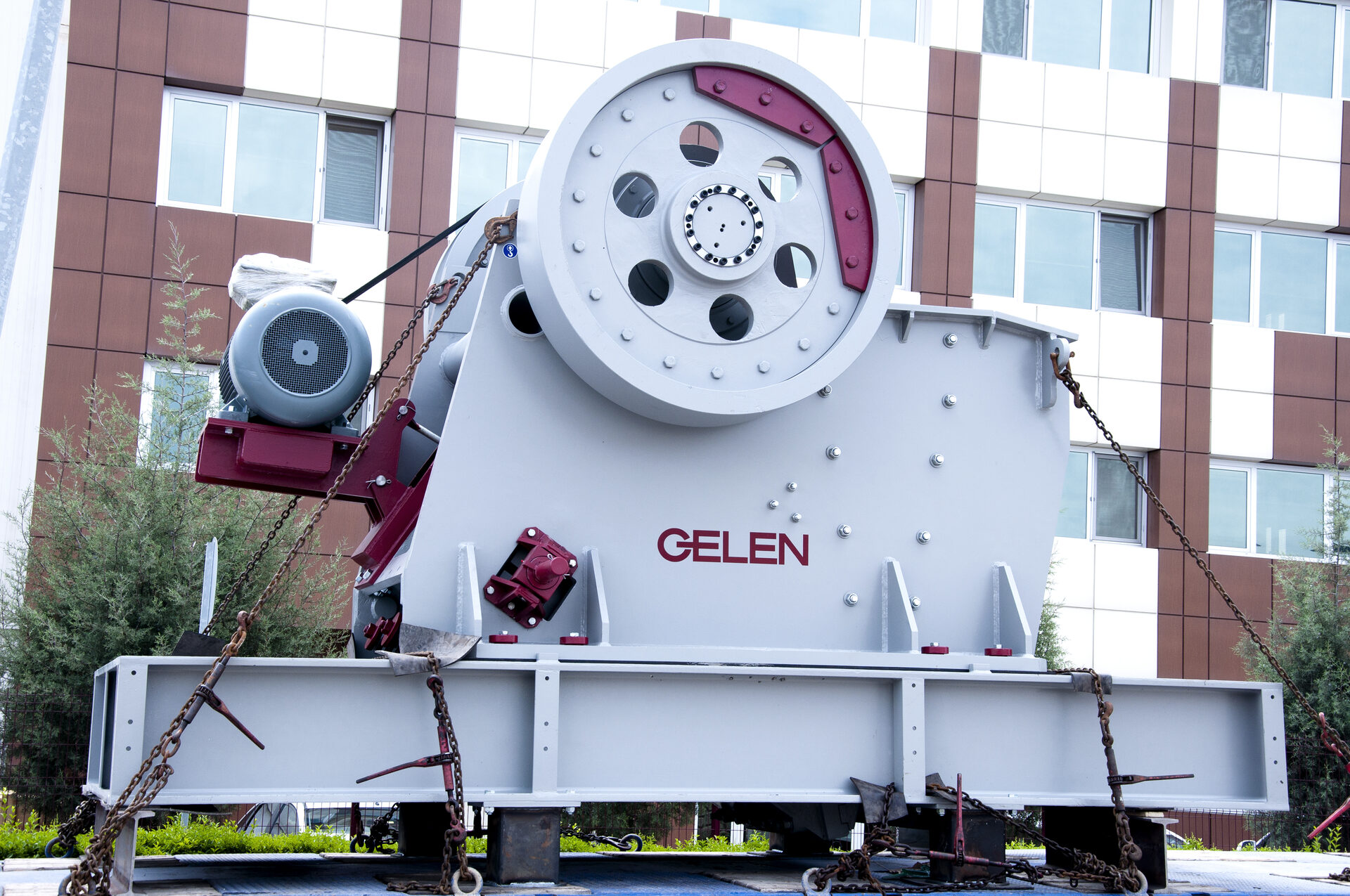
Understand how jaw crushers work, explore key configurations, and see how GELEN solutions deliver reliable primary crushing performance.
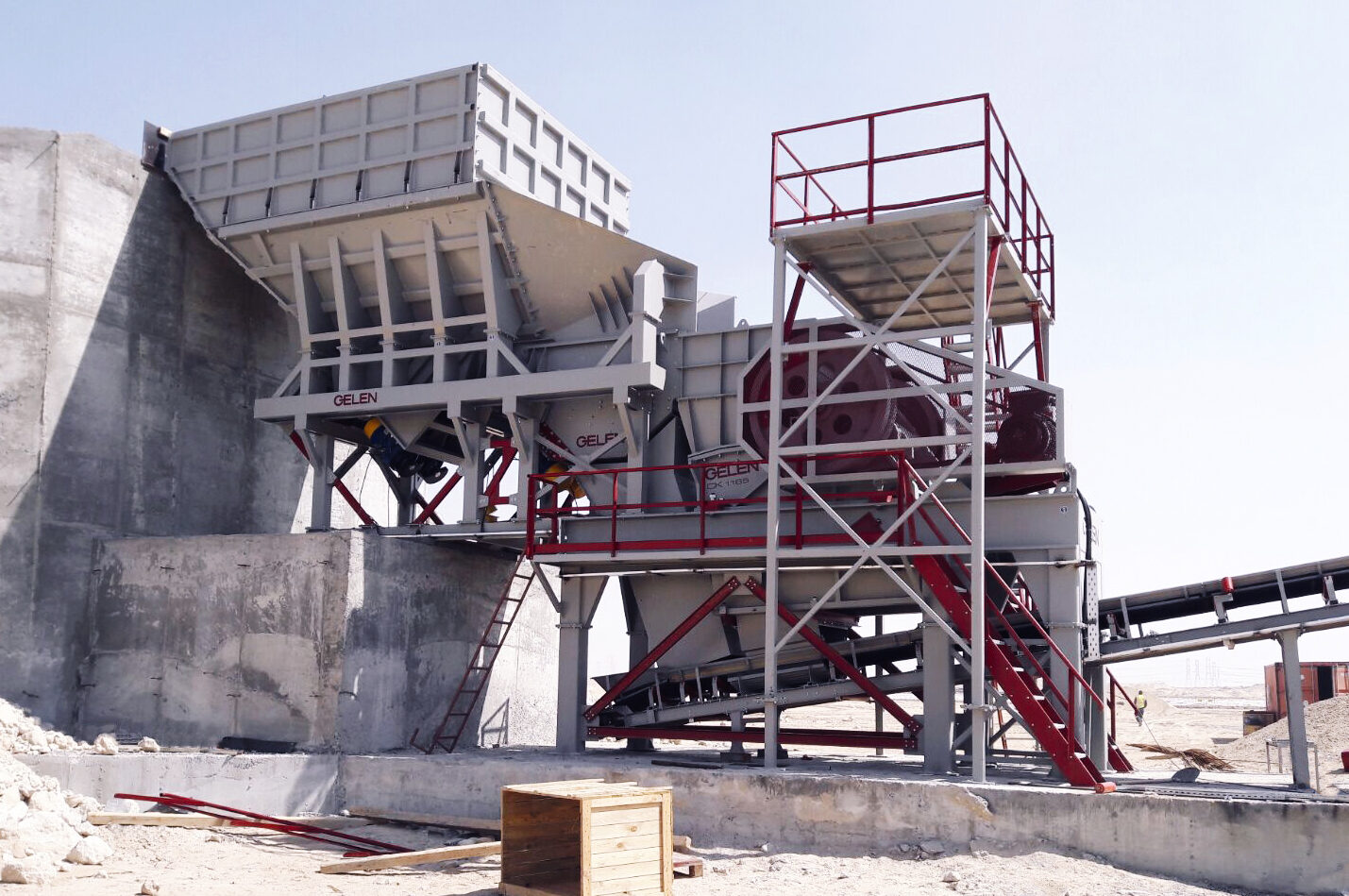
Printable daily, weekly, monthly, and annual PM checklists with lubrication specs and jaw plate wear measurement procedures.
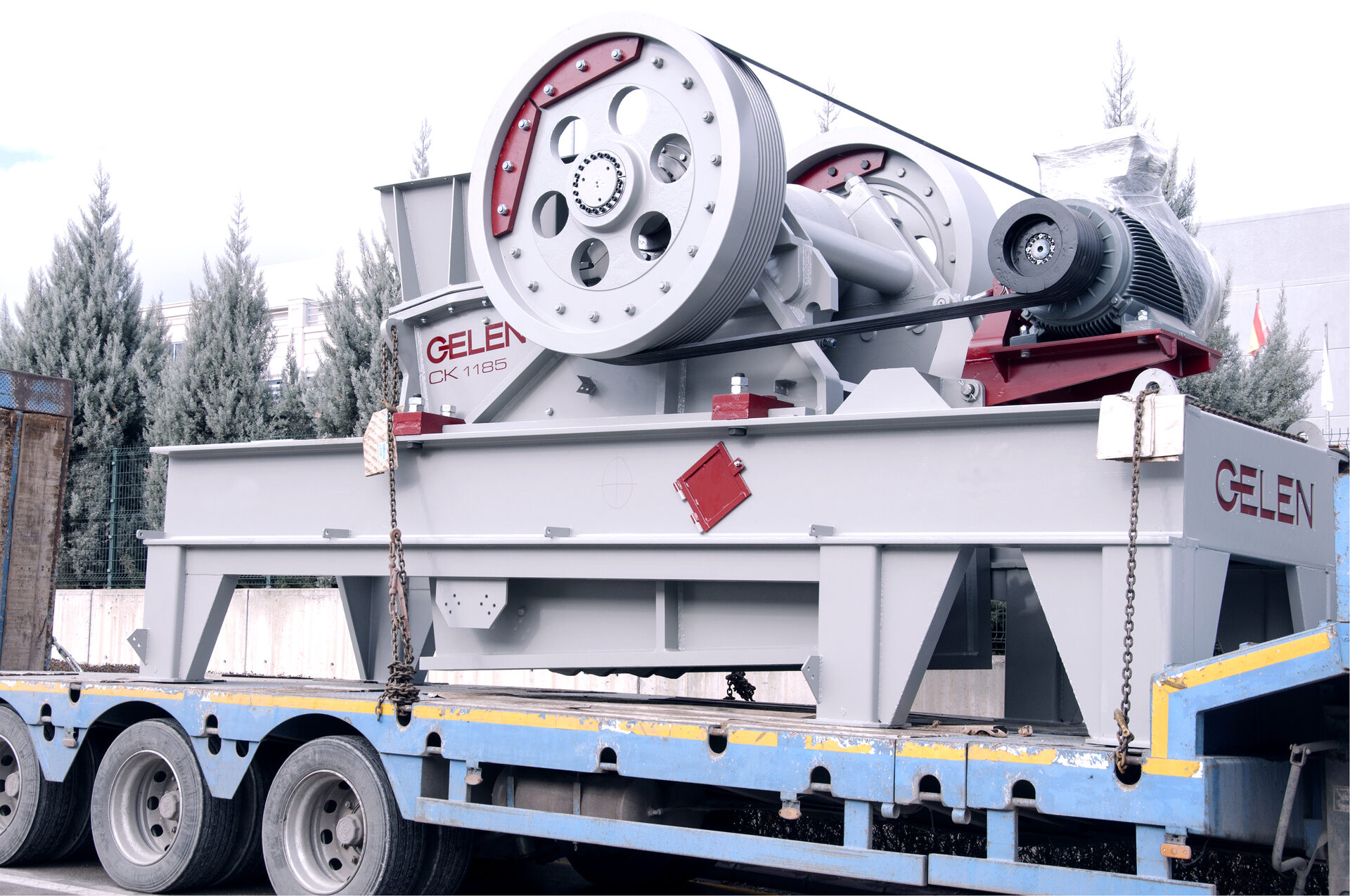
Symptom → cause → fix diagnostic tables for vibration, noise, overheating, output drift, and reduced throughput. Emergency jam procedure included.
Side-by-side comparison covering hardness limits, product shape, wear cost, and when to use each — or both in series.
Primary vs secondary roles, output gradation, capital cost, and practical scenarios. Decide which crusher fits your circuit.
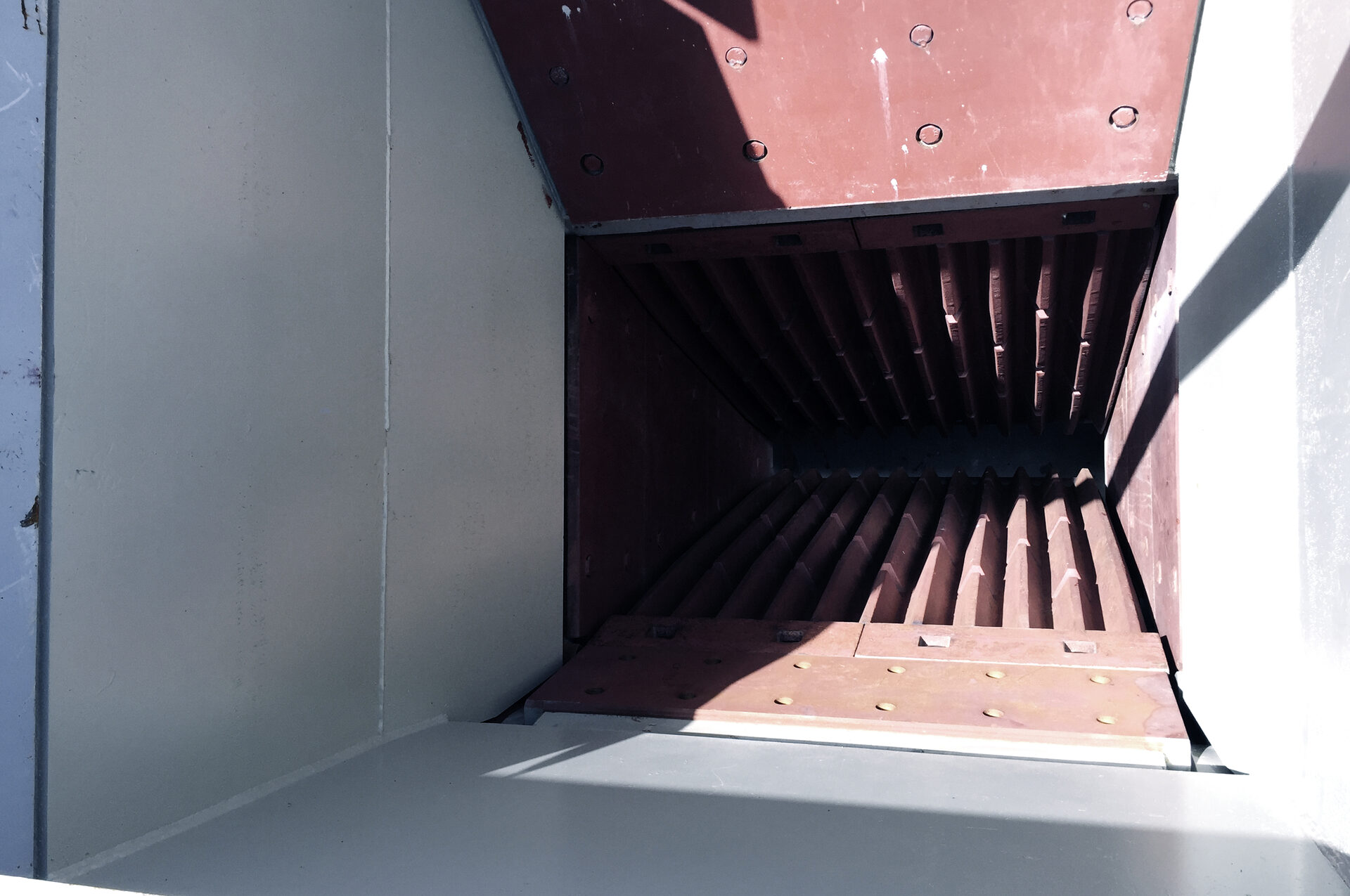
Step-by-step CSS adjustment guide with material-specific CSS tables, hydraulic vs shim methods, and a post-adjustment checklist.
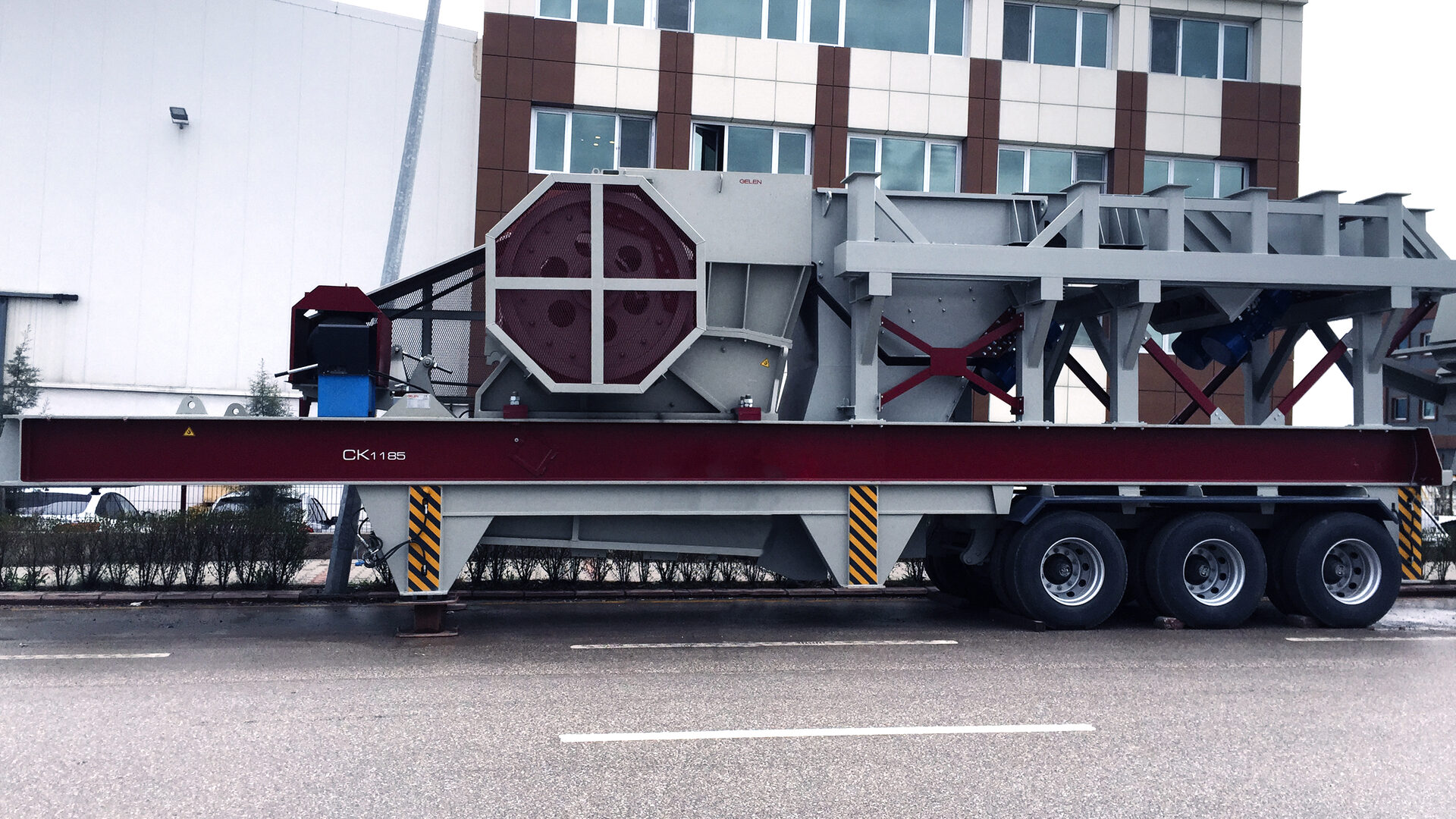
How to set up a jaw crusher for reinforced concrete processing — rebar handling, CSS tips, and environmental compliance.
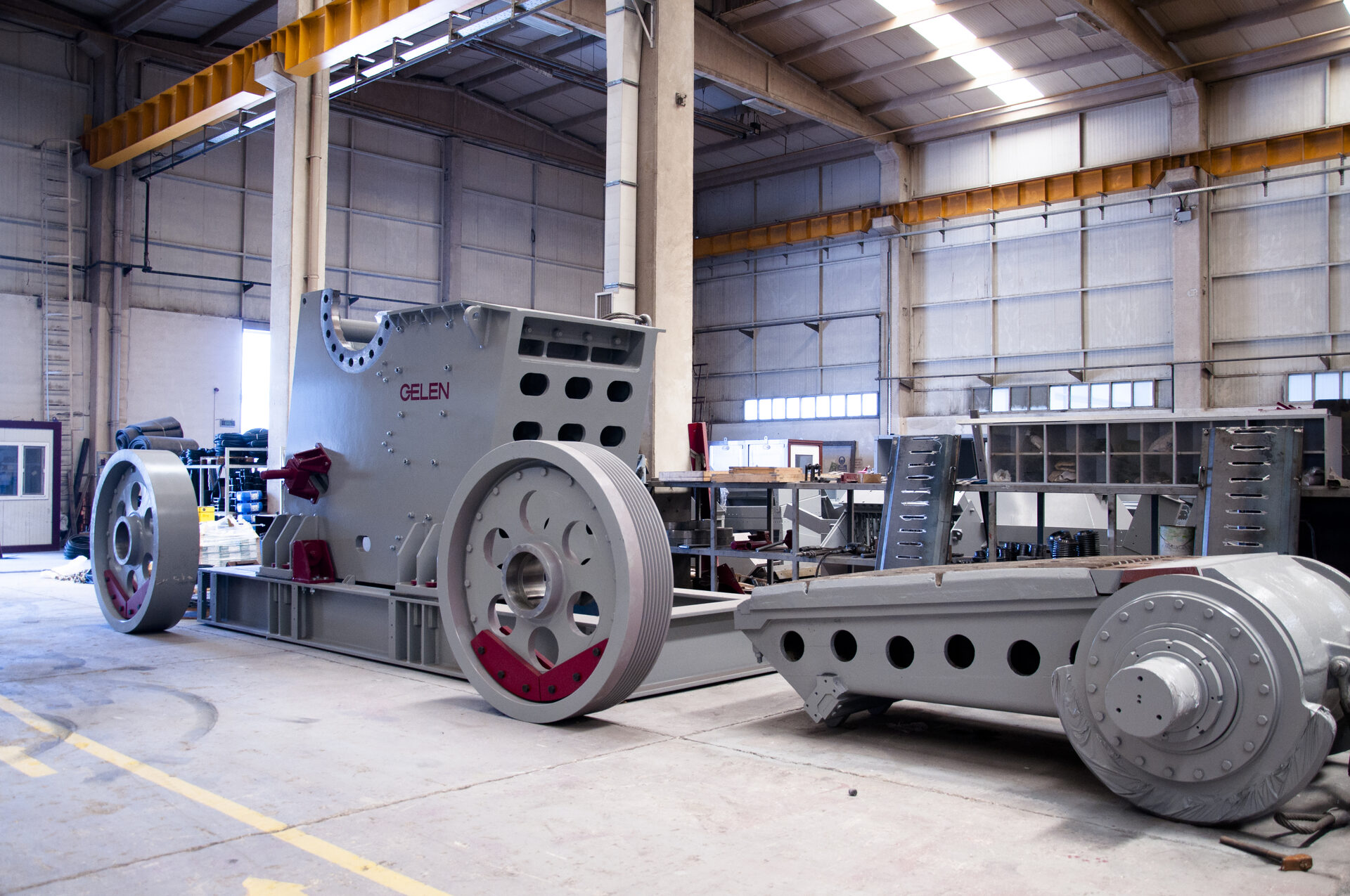
Compare Mn14, Mn18, and Mn22 alloys. Material-to-alloy matrix, tooth profiles, reversible plate benefits, and replacement procedure.

Full comparison of primary and secondary jaw crushers — feed sizes, CSS ranges, GELEN CK model specs, and application scenarios.