Jaw Crushers
CK series primary and secondary jaw crushers for hard, abrasive rock and large feed.
- 12 models
- 20–1,000 t/h
- Feed up to 1,080 mm

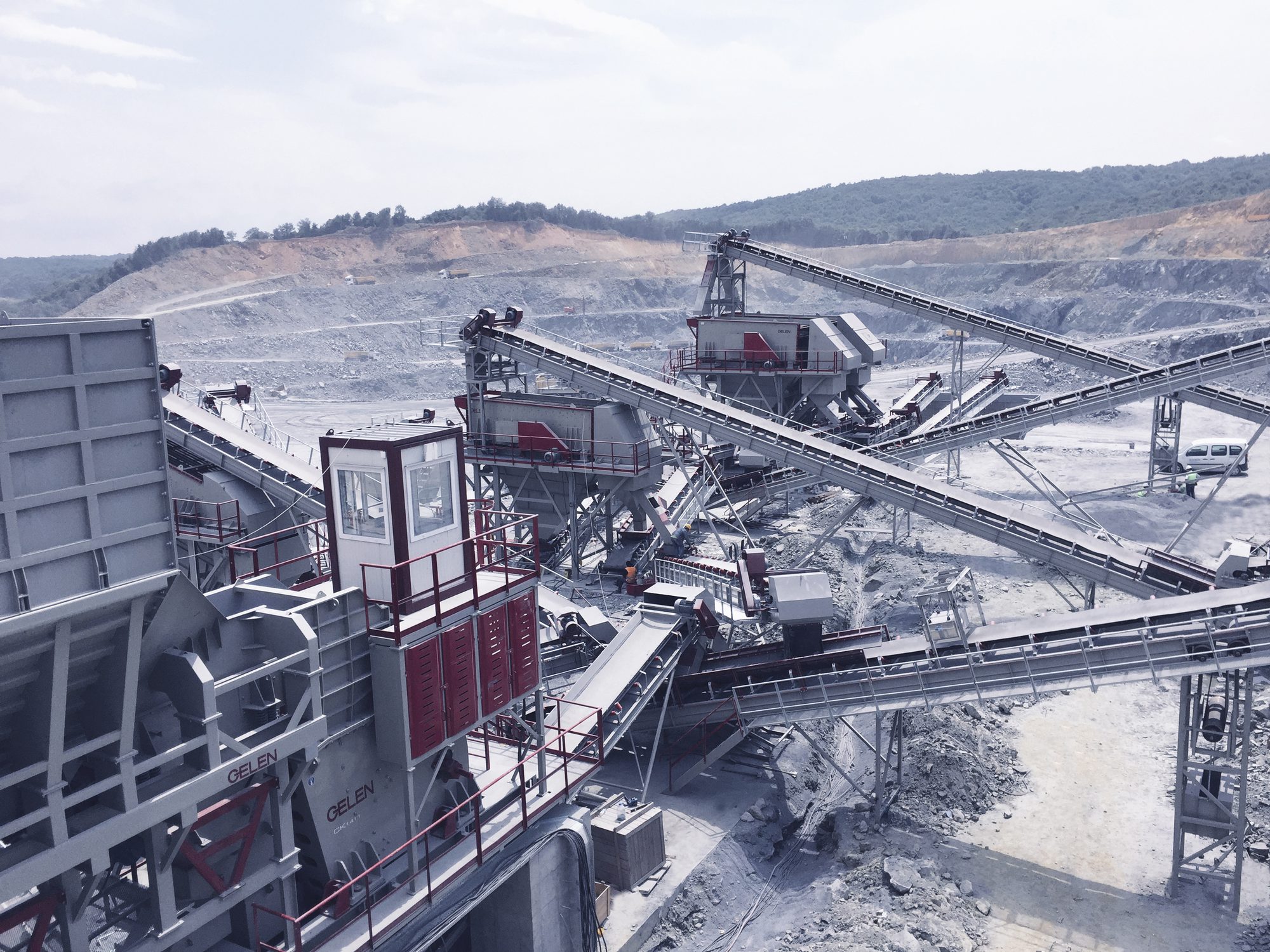
GELEN crushers reduce blasted rock, gravel, ore and demolition material from the primary stage to finished aggregate and manufactured sand. A stone crusher line usually combines two or three of them: jaw crushers, cone crushers, horizontal shaft impact crushers and vertical shaft impact crushers cover capacities from 20 to 1,000 t/h, built for aggregate, mining and recycling plants and designed together with GELEN feeders, screens and conveyors.
Choose the crusher by the crushing stage, the material and the product you need.
CK series primary and secondary jaw crushers for hard, abrasive rock and large feed.
GHC series hydraulic cone crushers for secondary and tertiary crushing of hard rock.
Primary, secondary and tertiary impact crushers for cubical product from medium-hard rock and recycling.
VSI crushers for final shaping and manufactured sand with rock-on-rock crushing.
Each crusher type suits a stage and a material. Most plants combine two or three of them.
| Crusher | Crushing stage | How it crushes | Max feed size | Capacity | Best material | Product shape |
|---|---|---|---|---|---|---|
| Jaw crusher (CK) | Primary and secondary | Compression between a fixed and a moving jaw | Up to 1,080 mm | 20–1,000 t/h | Hard and abrasive rock, ore | Good; some flaky particles |
| Cone crusher (GHC) | Secondary and tertiary | Compression between mantle and concave | Up to 300 mm | 25–600 t/h | Hard and abrasive rock | Cubical |
| Horizontal shaft impact crusher | Primary, secondary and tertiary | Impact from blow bars against aprons | Up to 1,300 mm | 40–900 t/h | Medium-hard rock, limestone, recycling | Very cubical |
| Vertical shaft impact crusher (VSI) | Tertiary and quaternary | Rock-on-rock impact from a high-speed rotor | Up to 120 mm | 50–350 t/h | Abrasive, brittle and moist material | Best shape; manufactured sand |
Not sure which to choose? Read jaw crusher vs cone crusher, jaw crusher vs impact crusher and HSI vs VSI.
GELEN crushers work in aggregate, mining and recycling operations.

Crushing limestone, basalt, granite and gravel into road base, asphalt and concrete aggregate.

Primary and secondary crushing of hard, abrasive ores in continuous operation.

Crushing demolition concrete, asphalt and construction waste into reusable aggregate.

Producing well-shaped sand from crushed rock where natural sand is scarce.
What GELEN brings to size reduction.
Jaw, cone, horizontal and vertical shaft impact crushers cover primary crushing through to manufactured sand.
GELEN has designed and manufactured crushing and screening equipment since 1981 for customers worldwide.
Crushers are sized together with GELEN feeders, screens, conveyors and washing equipment, so the whole plant is balanced.
Crushers are supplied for fixed plants and for mobile and semi-mobile units.
Manganese jaw plates and liners, blow bars and rotor wear parts, with engineering and spare parts support.
GELEN supports customers in their own language and delivers plants to many countries.
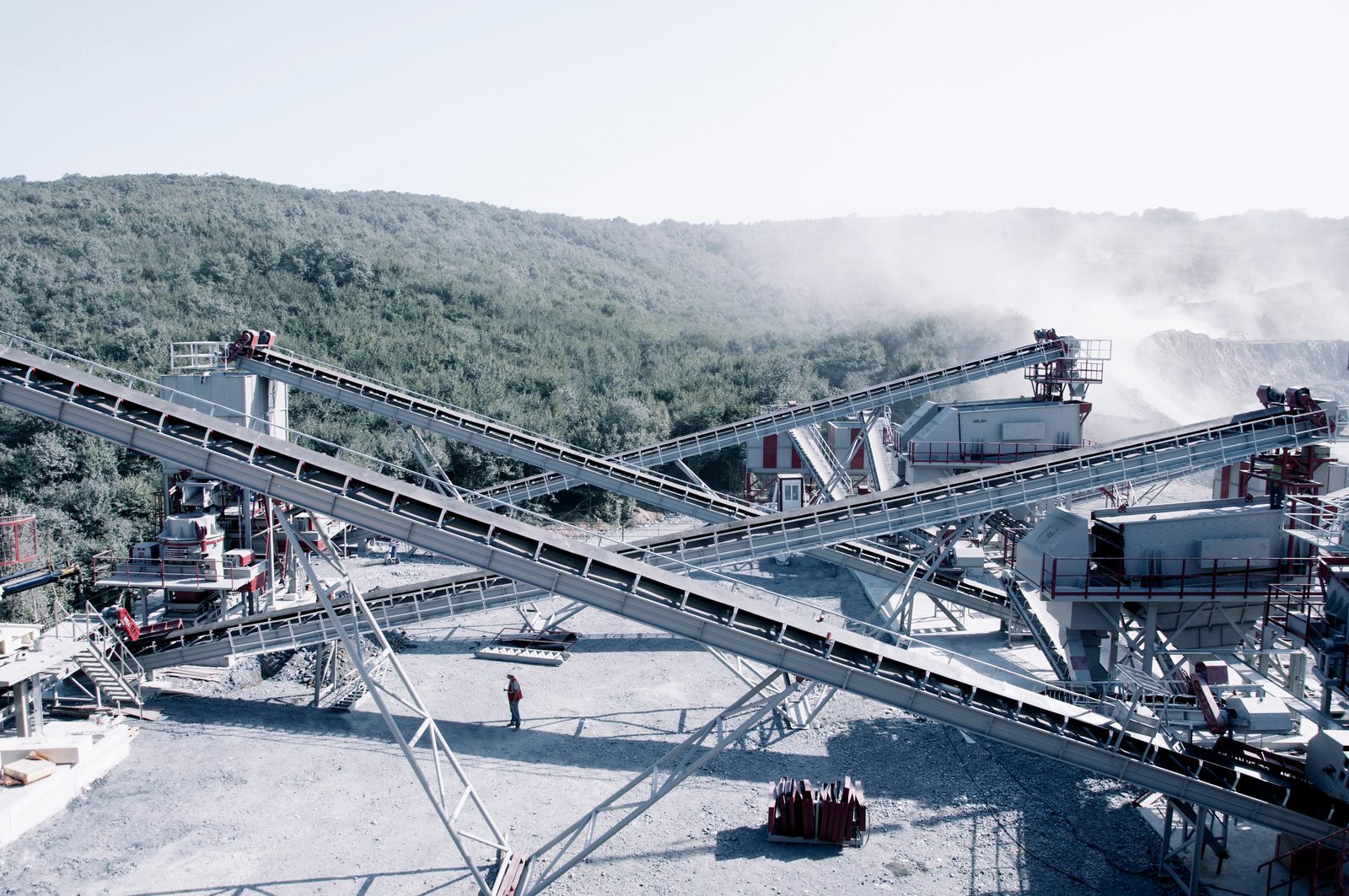
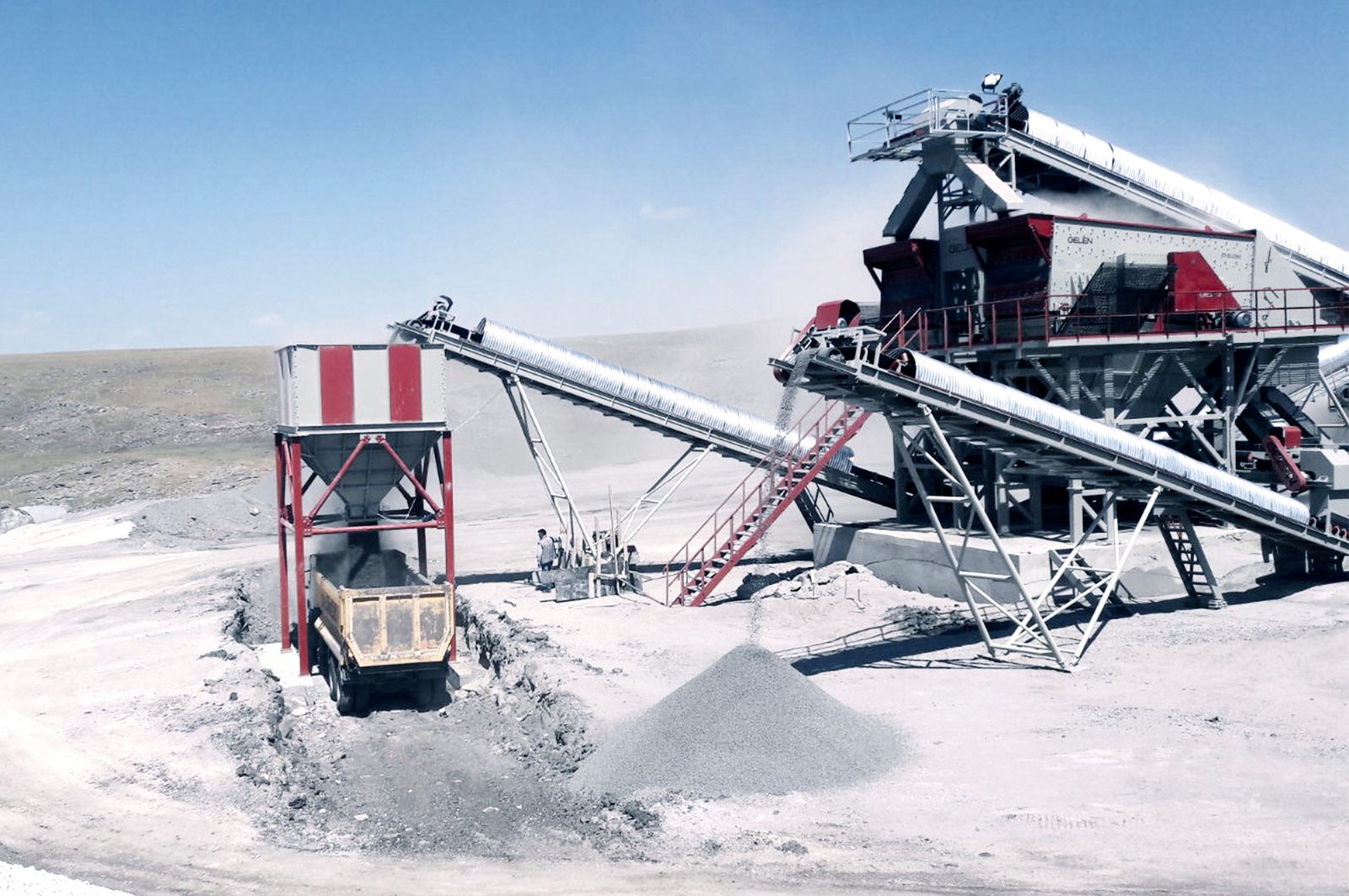
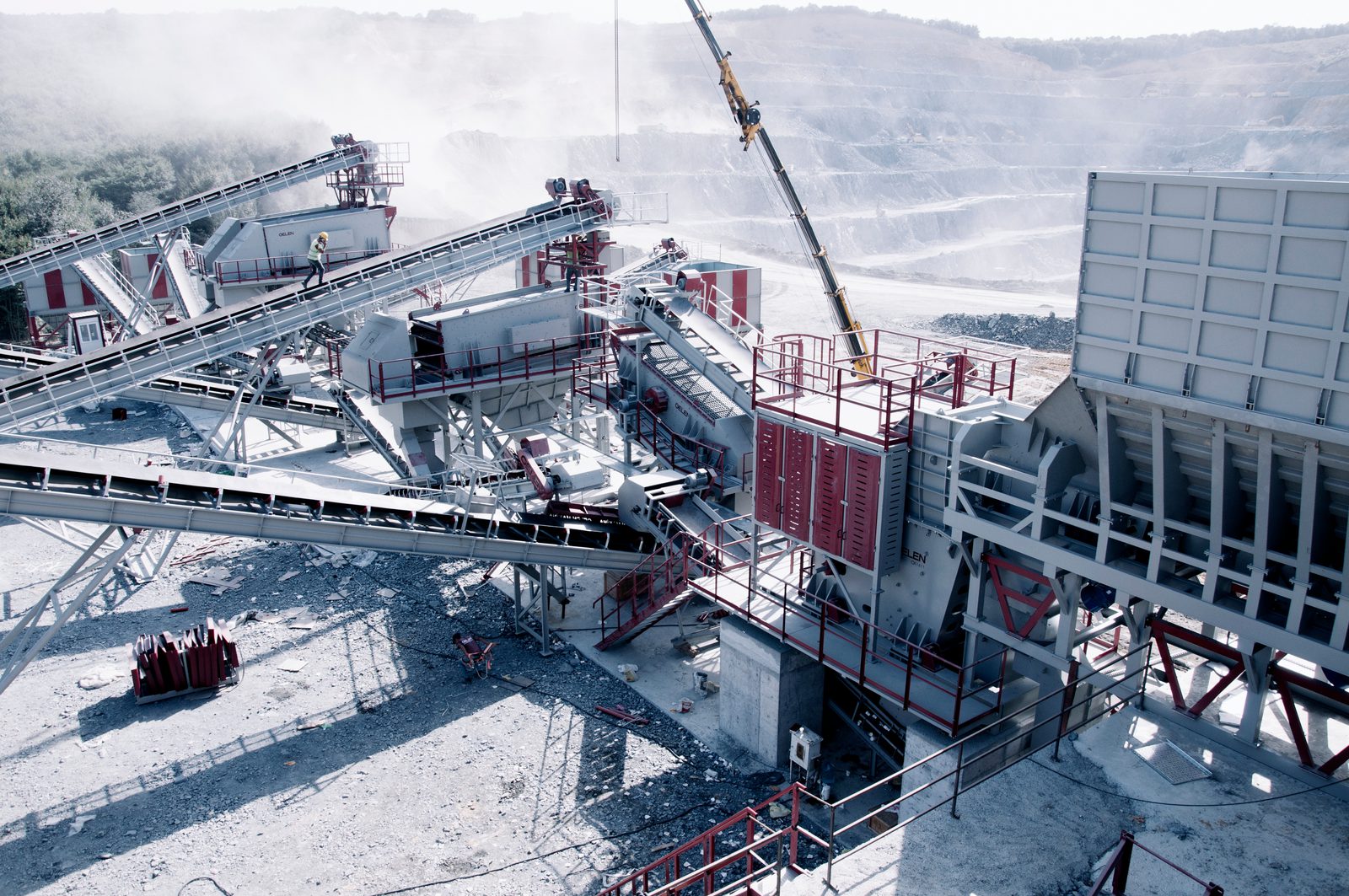
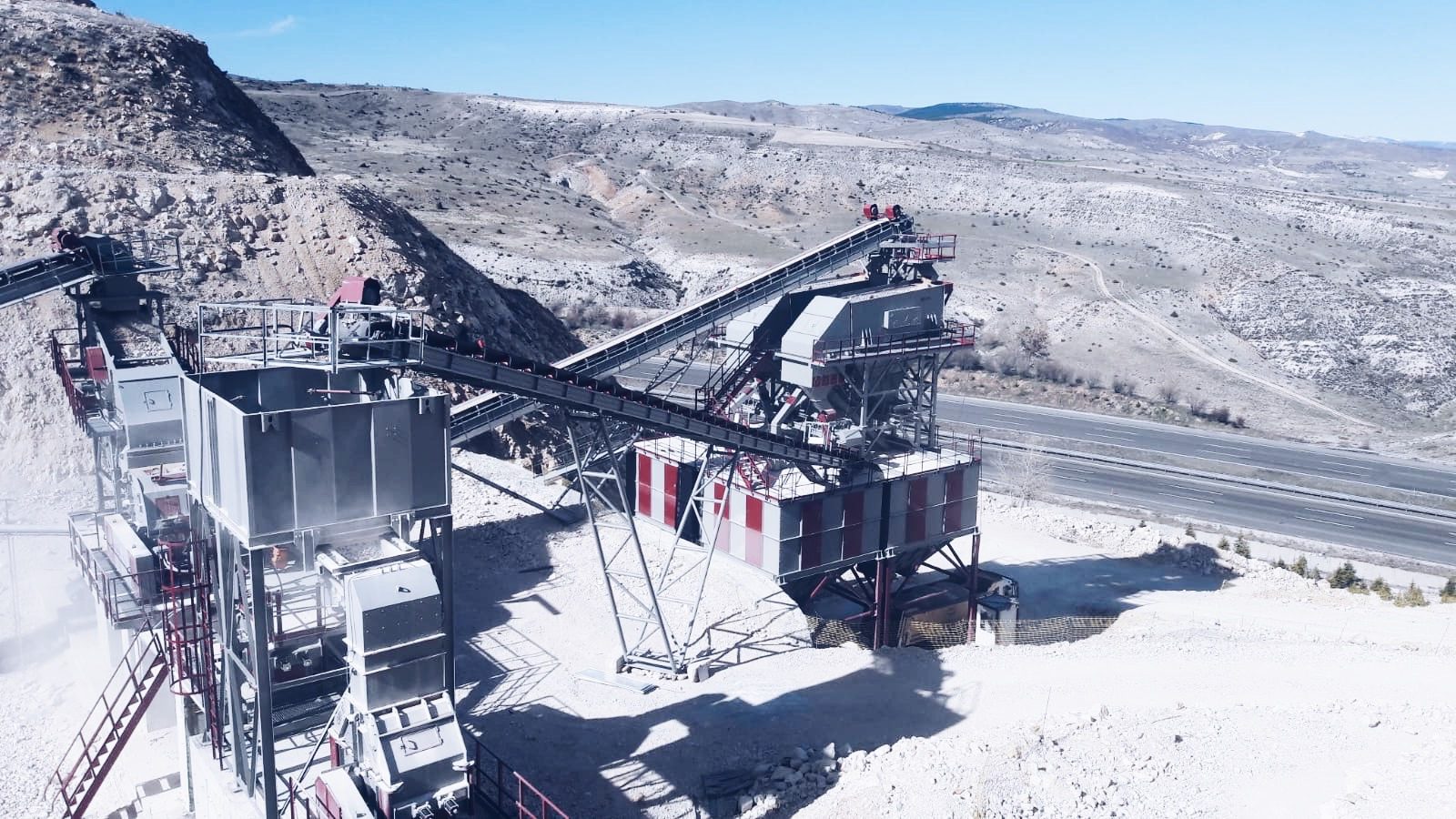
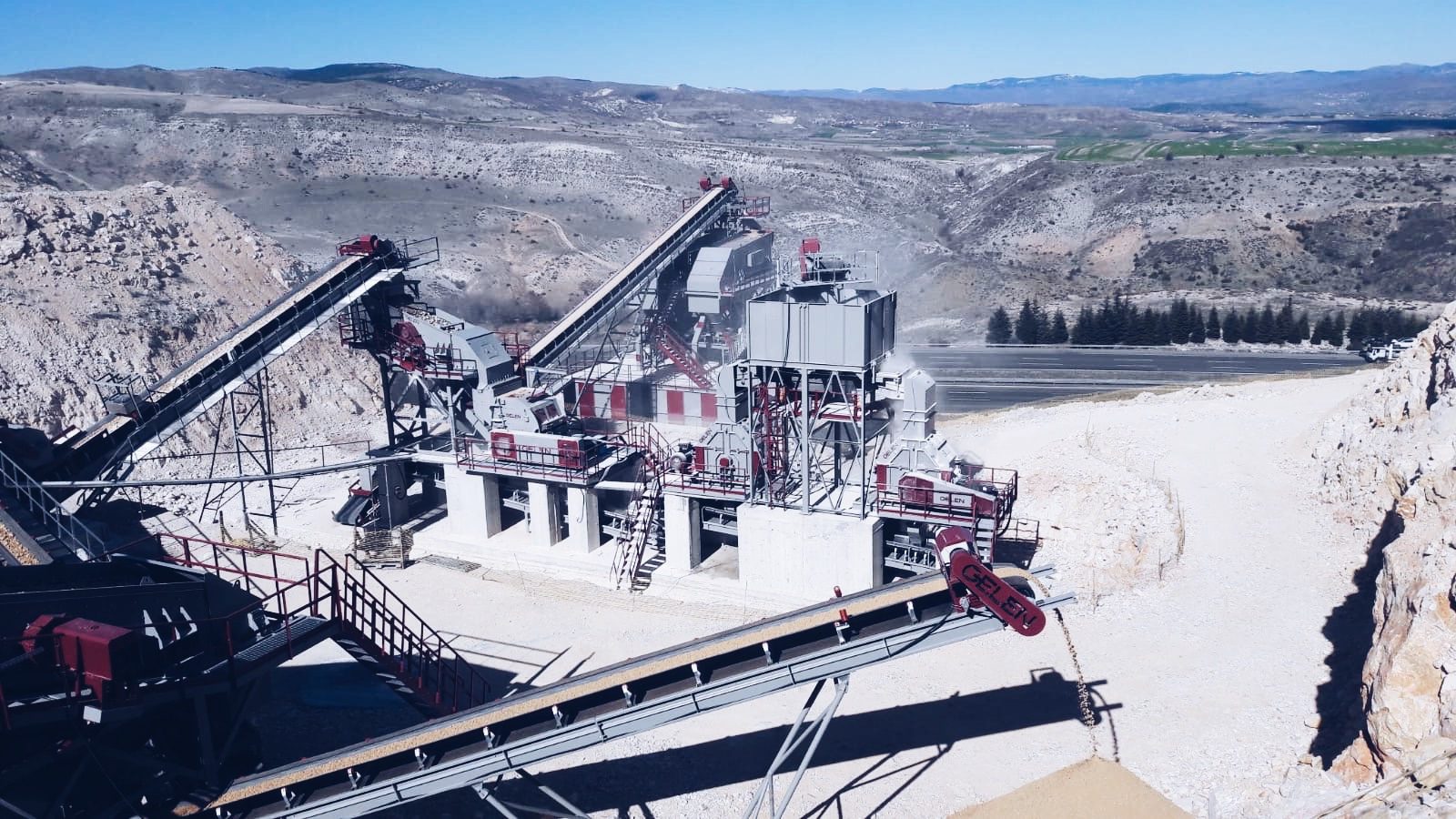
A typical plant reduces rock in stages, screening between them so each crusher only handles the material it needs to.
Every circuit is different. Send us yours and we will say where a crusher fits and what it changes downstream.
Check my circuit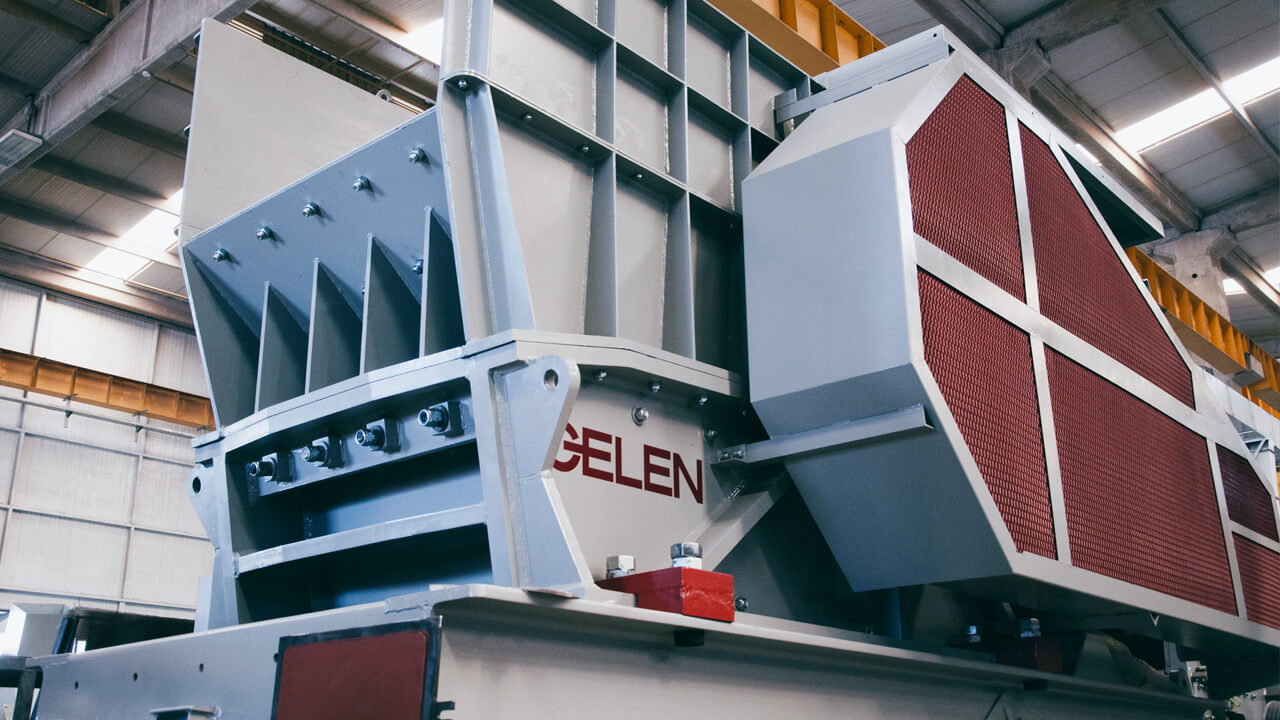

Guides and industry organisations for crushing plant operators.
Crushing reduces large rocks, ores or demolition material to smaller, usable sizes. After blasting or excavation, material is fed to a primary crusher, then usually to secondary and tertiary crushers, with screens between the stages so that each crusher only handles the material it needs to reduce. The result is graded aggregate, ore ready for further processing or recycled aggregate.
The main types are jaw crushers and cone crushers, which crush by compression, and horizontal and vertical shaft impact crushers, which crush by impact. GELEN builds all four: CK jaw crushers, GHC cone crushers, horizontal shaft impact crushers and VSI crushers.
Primary crushers take the largest feed — blasted rock — and reduce it to a size the next stage can handle; jaw crushers and primary impact crushers are typical. Secondary crushers reduce the primary product further; cone and impact crushers are common. Tertiary and quaternary crushers produce the final sizes and shape, often cone crushers, tertiary impact crushers or VSI crushers for manufactured sand.
Consider the material's hardness and abrasiveness, the largest feed size, the final product size and shape, and the capacity. Jaw crushers suit primary crushing of hard, abrasive rock; cone crushers suit secondary and tertiary crushing of hard rock; horizontal shaft impact crushers suit medium-hard rock and recycling where a cubical product is needed; VSI crushers suit final shaping and manufactured sand.
A jaw crusher handles hard, abrasive rock with low wear costs and suits most mining and hard-rock quarries. A primary impact crusher gives a higher reduction ratio and a more cubical product from medium-hard rock such as limestone, and handles recycling well. The material's abrasiveness is usually the deciding factor.
CK jaw crushers cover 20 to 1,000 t/h with feed up to 1,080 mm; GHC cone crushers 25 to 600 t/h; horizontal shaft impact crushers 40 to 900 t/h with feed up to 1,300 mm on primary models; VSI crushers 50 to 350 t/h. Actual capacity depends on the material and the settings.
Worn liners, jaw plates or blow bars change the product size and reduce capacity, and poor lubrication or tramp metal can cause costly failures. Regular inspection of wear parts, bearings and lubrication, and keeping uncrushable material out of the feed, keep crushers producing on specification.
The closed-side setting is the smallest gap between the crushing surfaces during the crushing cycle: between the jaws of a jaw crusher, the mantle and concave of a cone crusher, or the rotor and apron of an impact crusher. It sets the product top size and, with the feed, the output. A smaller setting gives a finer product at a lower output; GELEN spec tables list the setting range and output of every model, and the charts on each crusher page show output against setting.
Send your material, your capacity and the product sizes you need. An engineer answers, not a form.
