Hydraulic Cone Crushers for Secondary & Tertiary Crushing
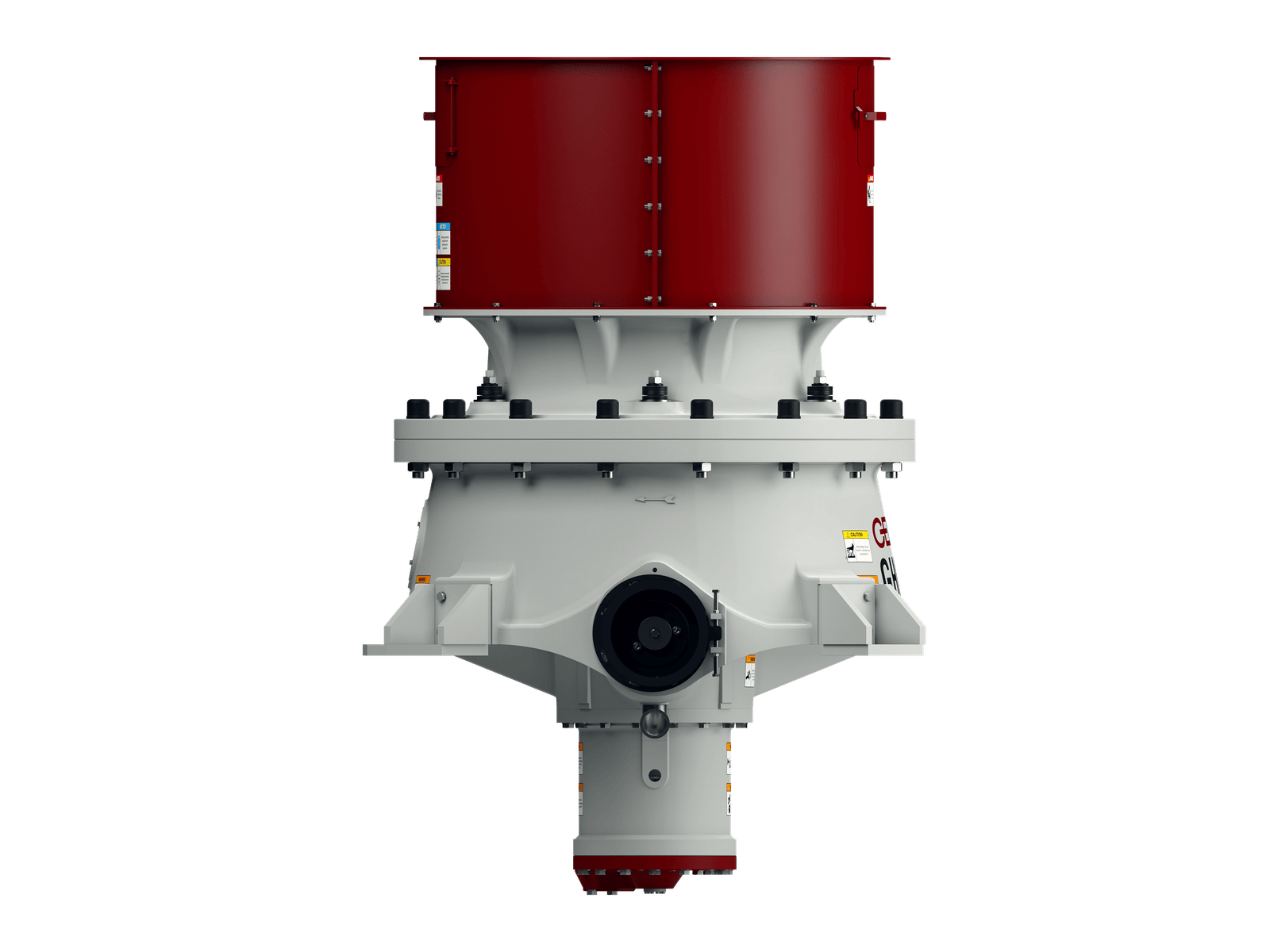
GELEN GHC Series hydraulic cone crushers deliver reliable performance in secondary and tertiary crushing applications. Engineered for demanding aggregate production and mining operations, they combine precise hydraulic CSS control, automatic overload protection, and multiple chamber configurations to optimize output across a wide range of materials and specifications.
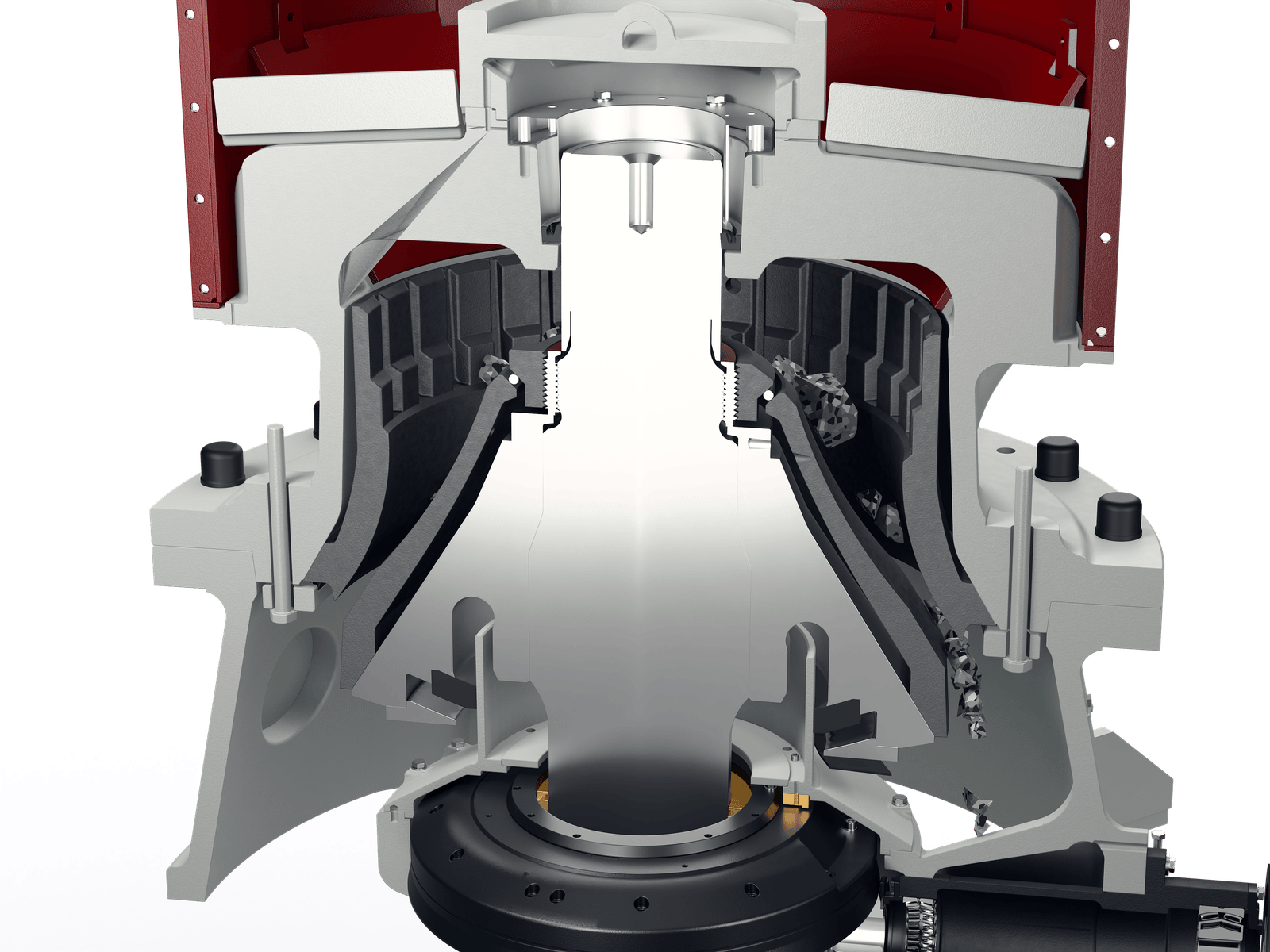
A cone crusher breaks rock between a gyrating mantle and a fixed concave. The gap closes and opens once per revolution at every point around the chamber, so a piece of stone is squeezed several times on its way down rather than once.
That is why a cone is choke fed. With the chamber full, stone also breaks against stone, not only against manganese — the product comes out more cubical and the liners last longer. Run it half full and you get slabby product and a wear pattern concentrated in one band.
The hydraulic setting carries the rest of the work. It adjusts the closed side under load, holds the setting as the liners wear, and releases to let tramp iron pass instead of stopping the plant.
GHC Series Cone Crushers
One of the key advantages of GELEN GHC Series cone crushers is their advanced hydraulic setting system, which ensures precise control over the closed side setting (CSS). Operators can adjust CSS while the crusher is running under full load — maintaining product specification as liners wear, without production stops. The same hydraulic system provides instant overload protection: if an uncrushable object enters the chamber, the CSS opens automatically and resets, protecting the crusher and minimizing downtime.
To accommodate different production requirements, GHC Series crushers are available in three chamber configurations. The Fine (F) chamber delivers tight CSS control for tertiary crushing and manufactured sand applications. The Medium (M) chamber is the all-round choice for most secondary applications. The Extra Coarse (EC) chamber maximizes throughput when feed is large and output specification allows a wider gradation. Selecting the right chamber for your material and product spec is one of the most impactful decisions in circuit design.
The GHC Series is engineered for both stationary and mobile installations. In a fixed crushing plant, a GHC45 or GHC56 provides high-volume secondary reduction feeding downstream screens. In a mobile configuration, GHC28 and GHC37 units integrate into tracked or wheeled platforms for flexible quarrying or contract crushing operations. Robust construction — hardened steel main frame, forged eccentric shaft, and wear-resistant liner materials — ensures durability even in the most demanding conditions while efficient energy use and reduced wear costs keep operating expenses low.
Motor kW
CAPACITY t/h
CLOSE SIDE SETTING mm
MAX FEED SIZE mm
THROW RANGE mm
Concave Types
GHC28
90
25–120
6–32
35–130
13–25
F, M, EC
GHC37
132
45–180
18–38
45–190
16–36
F, M, EC
GHC45
200
80–350
10–45
50–220
16–44
F, M, EC
GHC56
315
160–600
15–50
65–300
18–50
F, M, EC
Anatomy
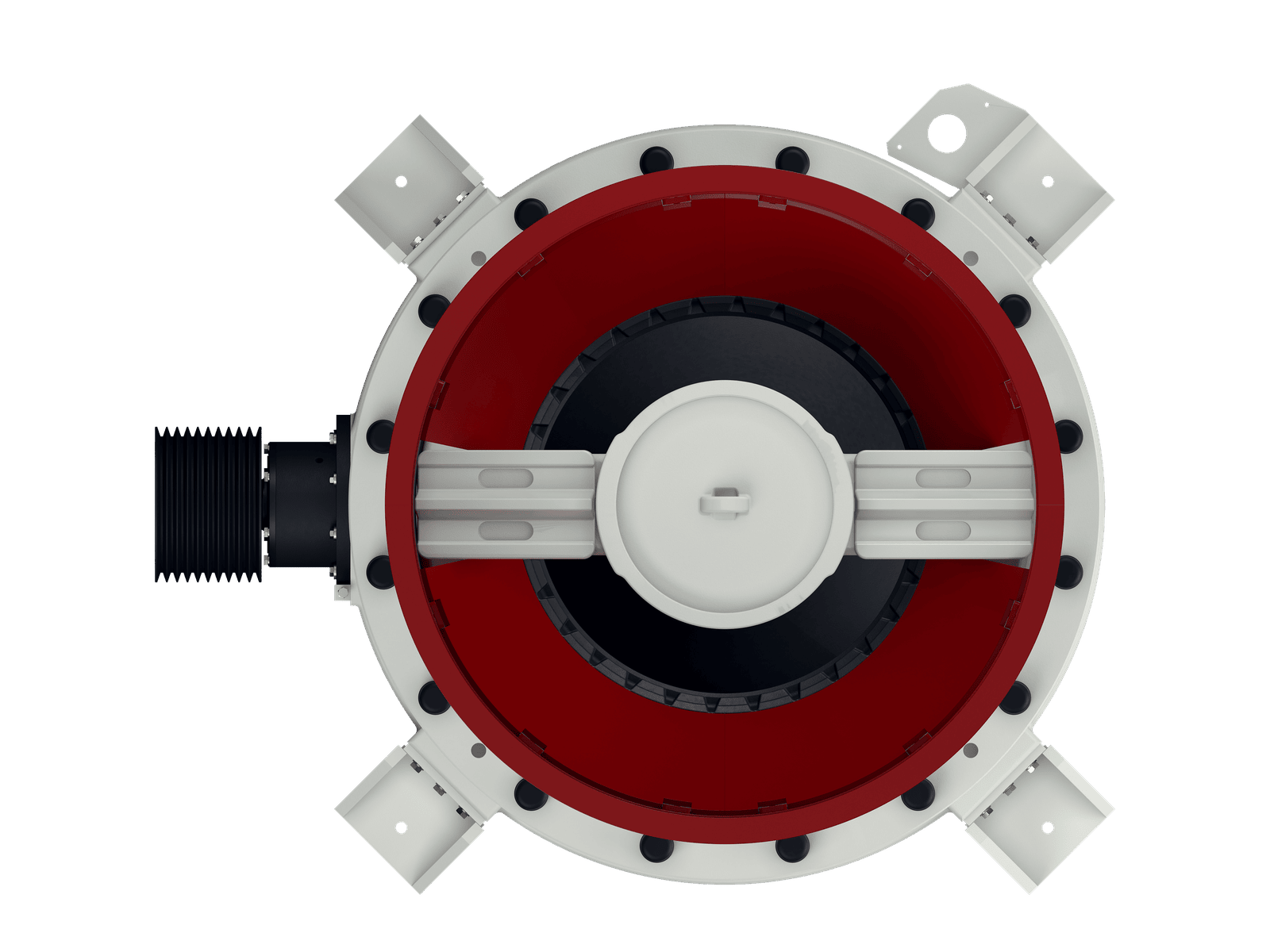
Inside the Crushing Chamber
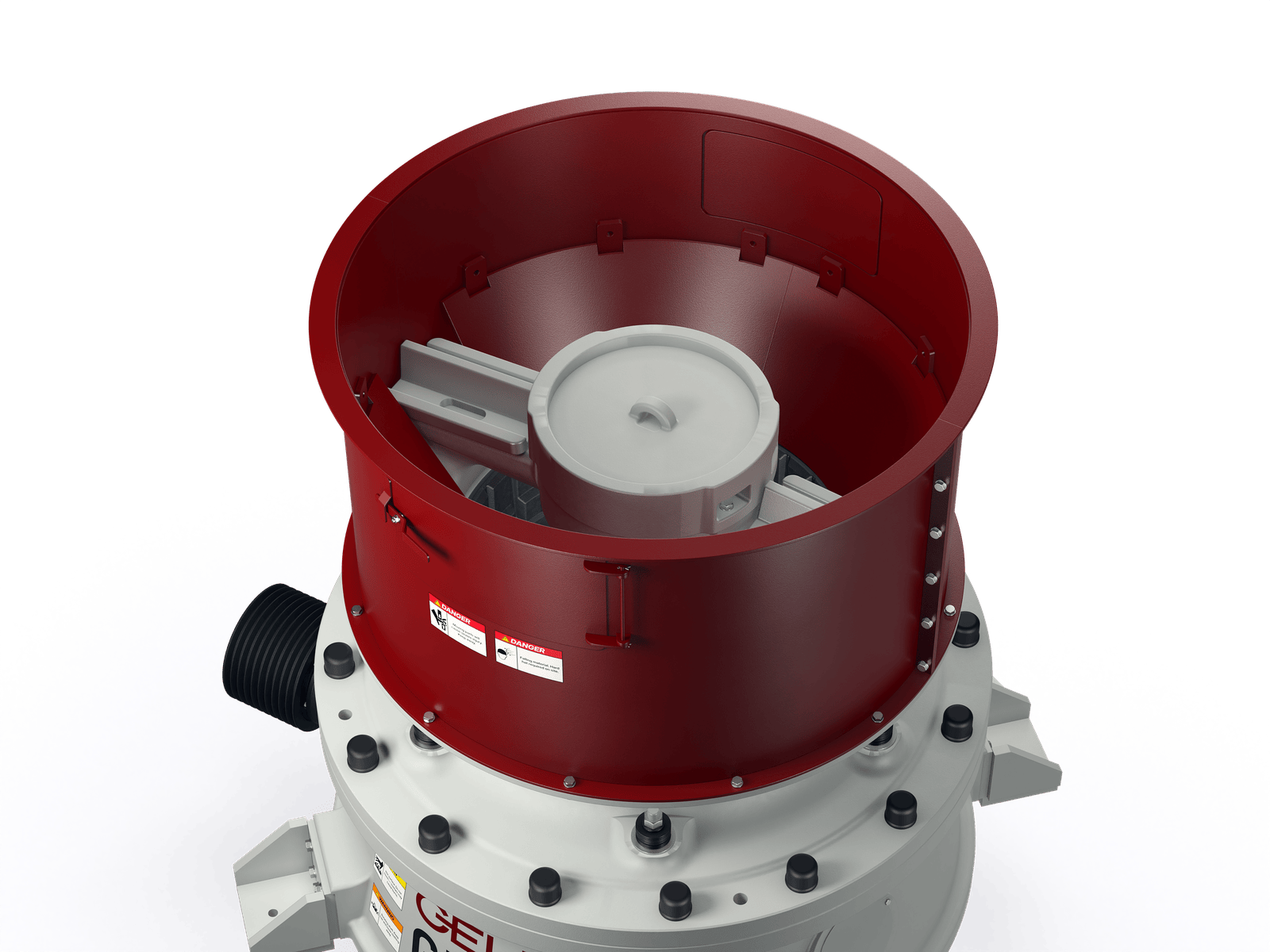
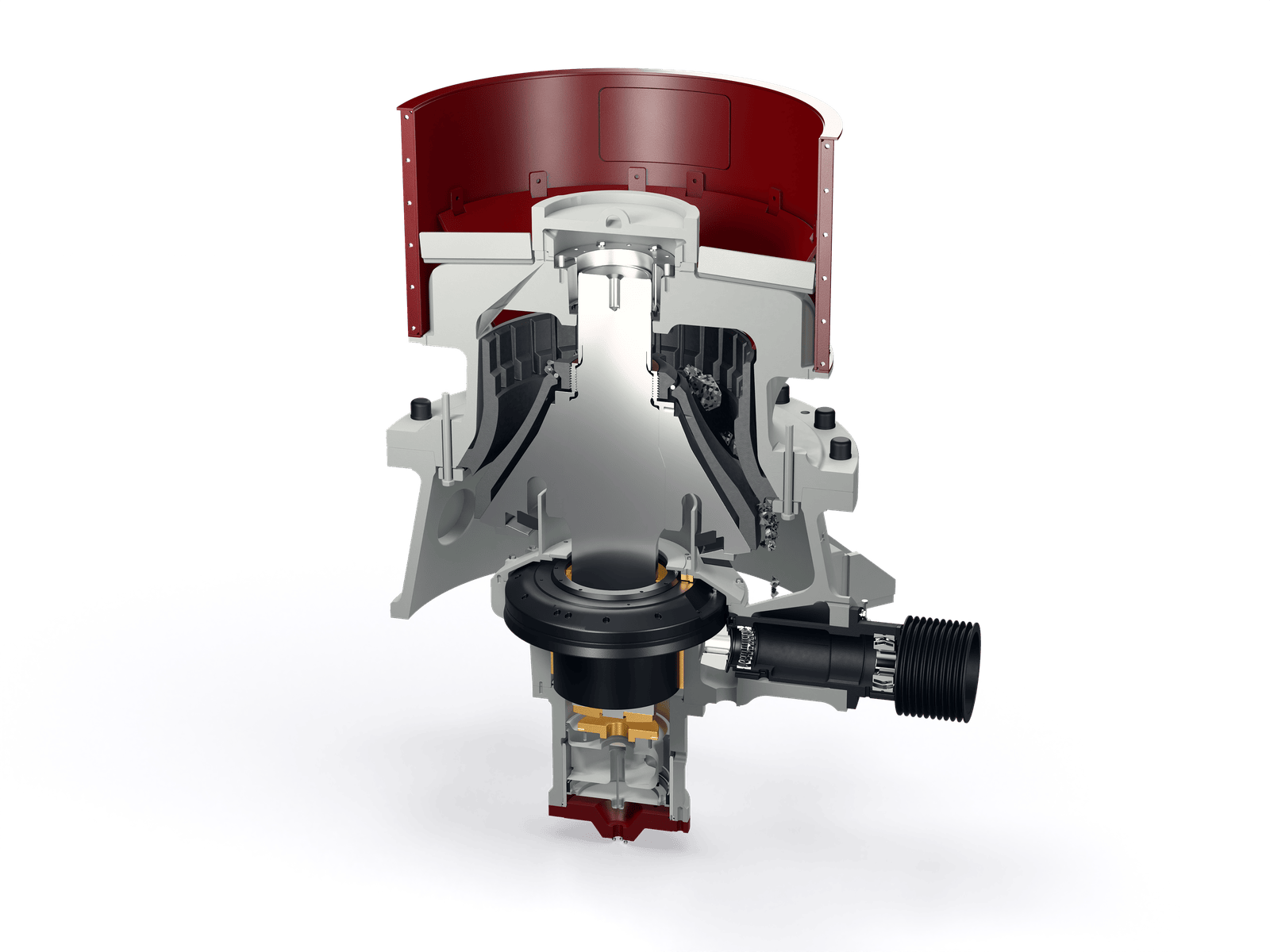
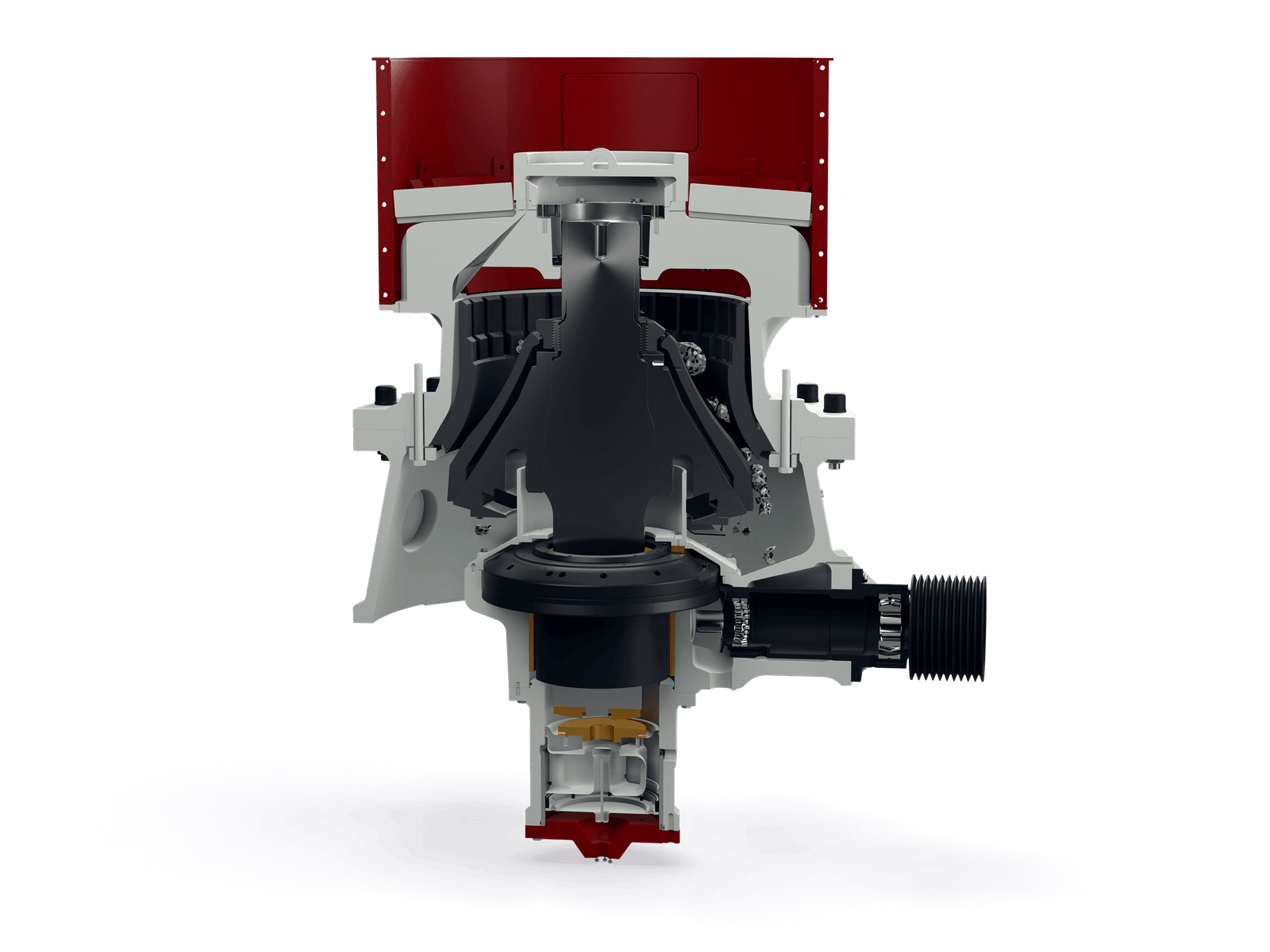
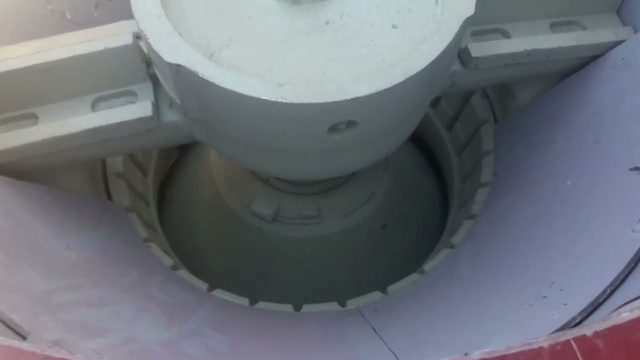
A GHC with the bowl lifted. This is the only view that shows the three surfaces that actually do the work.
1 · Feed plate
Spreads the feed evenly around the chamber instead of dropping it down one side. An uneven feed wears the liners in a band and costs you product shape.
2 · Mantle
The moving surface, manganese over a steel core. It gyrates rather than rotates, so the gap closes at one point and opens opposite it, once per revolution.
3 · Concave
The fixed surface. Fine, medium and extra-coarse profiles change the chamber shape for the duty — the wrong one cannot be corrected with the setting.
4 · The gap, and the setting
What passes is decided here. Hydraulic adjustment moves the closed side under load and holds it as the liners wear.
5 · Spider arm
Carries the upper bearing and takes the thrust of the main shaft. Keeping it lubricated and sealed is most of what keeps a cone alive.
Performance Charts
Performance Charts
Capacity Range by Model
From the specification table. Values are nominal and vary with material and operating conditions.
Closed-Side Setting Range by Model
From the specification table. Values are nominal and vary with material and operating conditions.
Technical Specifications
GHC Series cone crushers cover secondary and tertiary crushing from 25 to 600 mtph. Each model features a fully hydraulic CSS system, manganese steel liners in three chamber profiles, and a robust main frame designed for 24/7 operation in quarry and mining environments.
Standard Features: Hydraulic CSS adjustment under load, automatic overload protection, centralized lubrication system, Fine / Medium / Extra Coarse concave configurations, V-belt drive system, manganese steel (14Mn / 18Mn) liners.
Optional: Mobile / tracked chassis integration, pre-screening module, remote CSS monitoring, dust suppression system, metal detector and purge system.
Every cone crusher is built to its duty. Tell us the feed size, the product sizes you need and the tonnage and we will size one.
What is included, and what is specified per project.
Item
Standard
Optional
Hydraulic CSS adjustment under load
Yes
No
Automatic tramp-iron overload release
Yes
No
Centralised lubrication with oil cooler
Yes
No
Fine, medium and extra-coarse concaves
Yes
No
Manganese mantle and concave
Yes
No
V-belt drive with guard
Yes
No
Mobile or tracked chassis integration
No
Yes
Pre-screening module
No
Yes
Remote CSS monitoring
No
Yes
Dust suppression
No
Yes
Metal detector and purge system
No
Yes
How It Works
How a Cone Crusher Works
Five steps from feed to tertiary product.
The eccentric gyrates the mantle
The main shaft sits in an eccentric bushing. As it turns, the mantle sweeps a small circle so the gap to the concave closes at one point and opens opposite it.
The chamber is kept full
Feed fills the chamber to the top of the mantle. Stone is then crushed against stone as well as against manganese, which is what makes the product cubical.
Rock is squeezed on the way down
Each piece passes several closing cycles as it travels, so the reduction is progressive rather than a single blow.
The closed side sets the product
At the bottom the CSS fixes the top size. Hydraulic adjustment moves it under load and holds it as the liners wear.
Overload releases instead of stopping
Tramp iron lifts the bowl against the hydraulic accumulator, passes through, and the setting returns on its own.
Applications & Industries
GELEN GHC cone crushers perform across a wide range of crushing environments — from hard-rock quarries producing asphalt and concrete aggregate to mining operations and concrete recycling plants.
Quarry & Aggregate Production
Secondary and tertiary crushing of limestone, basalt, granite, and river gravel for asphalt, concrete, and road base production. The GHC Series' hydraulic CSS adjustment keeps gradation on specification throughout the production shift, and multiple chamber profiles allow one machine to serve both secondary and tertiary duties by swapping the concave liner set.
CSS range 6–50 mm across model range
Cubical product for asphalt & concrete compliance
Fine, Medium, and Extra Coarse chambers
Mining Operations
Secondary crushing of hard rock ores including copper, gold, iron ore, and phosphate. The GHC Series handles highly abrasive feeds with 18Mn manganese steel liners for extended wear life. Hydraulic overload protection prevents costly crusher damage from uncrushable tramp iron common in mine feeds. Units are designed for integration into fixed mine processing plants with continuous 24/7 operation requirements.
Handles hard, abrasive ores up to 300 MPa
Automatic tramp iron protection
Designed for continuous 24/7 operation
Concrete & Asphalt Recycling
Cone crushers are increasingly used for secondary crushing of demolition concrete and asphalt after a primary jaw crusher has reduced the bulk material. The GHC Series' hydraulic overload protection is particularly valuable in recycling applications, where rebar fragments and other embedded metal are common. The adjustable CSS allows operators to produce recycled aggregate to specification for road sub-base or concrete applications.
Hydraulic protection against embedded rebar
Adjustable CSS for specification-grade recycled aggregate
Mobile configuration available for on-site demolition projects
Why Choose the GELEN GHC Series?
Every GHC Series crusher is built on 40+ years of GELEN engineering expertise. Here are the six specific advantages that reduce your operating costs and maximize uptime.
Hydraulic CSS Under Load
CSS adjustment while running at full production — no shutdowns needed to compensate for liner wear. Operators maintain product specification throughout the full liner service life, reducing off-spec material and production interruptions.
Automatic Overload Protection
When an uncrushable object enters the chamber, the hydraulic system opens the CSS within seconds to allow it to pass, then automatically resets. This protects the mantle, concave, main shaft, and frame from catastrophic damage without operator intervention.
Three Chamber Configurations
Fine (F), Medium (M), and Extra Coarse (EC) concave options let you match the crushing geometry to your material and output specification. Changing the chamber profile transforms one machine from a secondary to a tertiary crusher — or from limestone to basalt duty — at a fraction of the cost of a new unit.
Cubical Product Shape
The gyrating compression action produces angular, cubical particles — not flaky platelets. Cubical aggregate improves asphalt mix stability, reduces cement demand in concrete mixes, and meets EN and ASTM shape index requirements without additional shaping equipment.
Stationary & Mobile Ready
GHC28 and GHC37 models integrate with tracked mobile chassis for flexible quarrying and contract crushing. GHC45 and GHC56 anchor high-capacity stationary plants. The same crusher unit transfers between configurations with minimal modification, protecting your capital investment as project requirements change.
Turkish Engineering Since 1981
GELEN has manufactured crushing and screening equipment for over 45 years, delivering to customers in more than 50 countries. Turkish manufacturing combines European engineering standards with competitive pricing and fast spare parts supply for GHC liner sets, eccentric assemblies, and hydraulic components.
Plant Circuit
Where a Cone Crusher Fits
The cone takes what the primary leaves and brings it to saleable sizes.
Primary Crusherjaw or impactor on blasted rock
Screenfeeds the cone on size, returns fines
Cone Crushersecondary or tertiary reduction
Screensplits the products, returns oversize
VSIshaping or manufactured sand
Every circuit is different. Send us yours and we will say where a cone crusher fits and what it changes downstream.
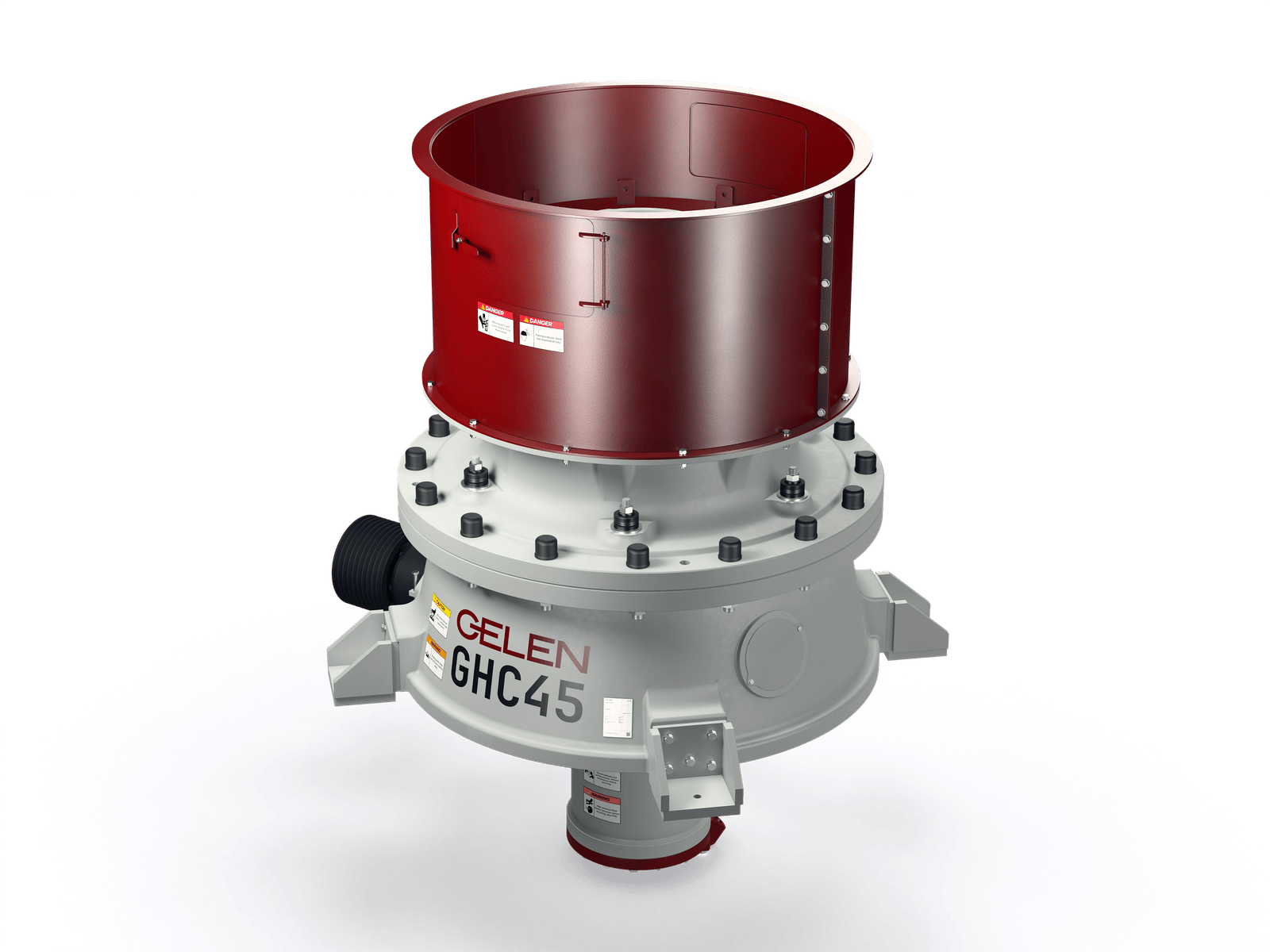
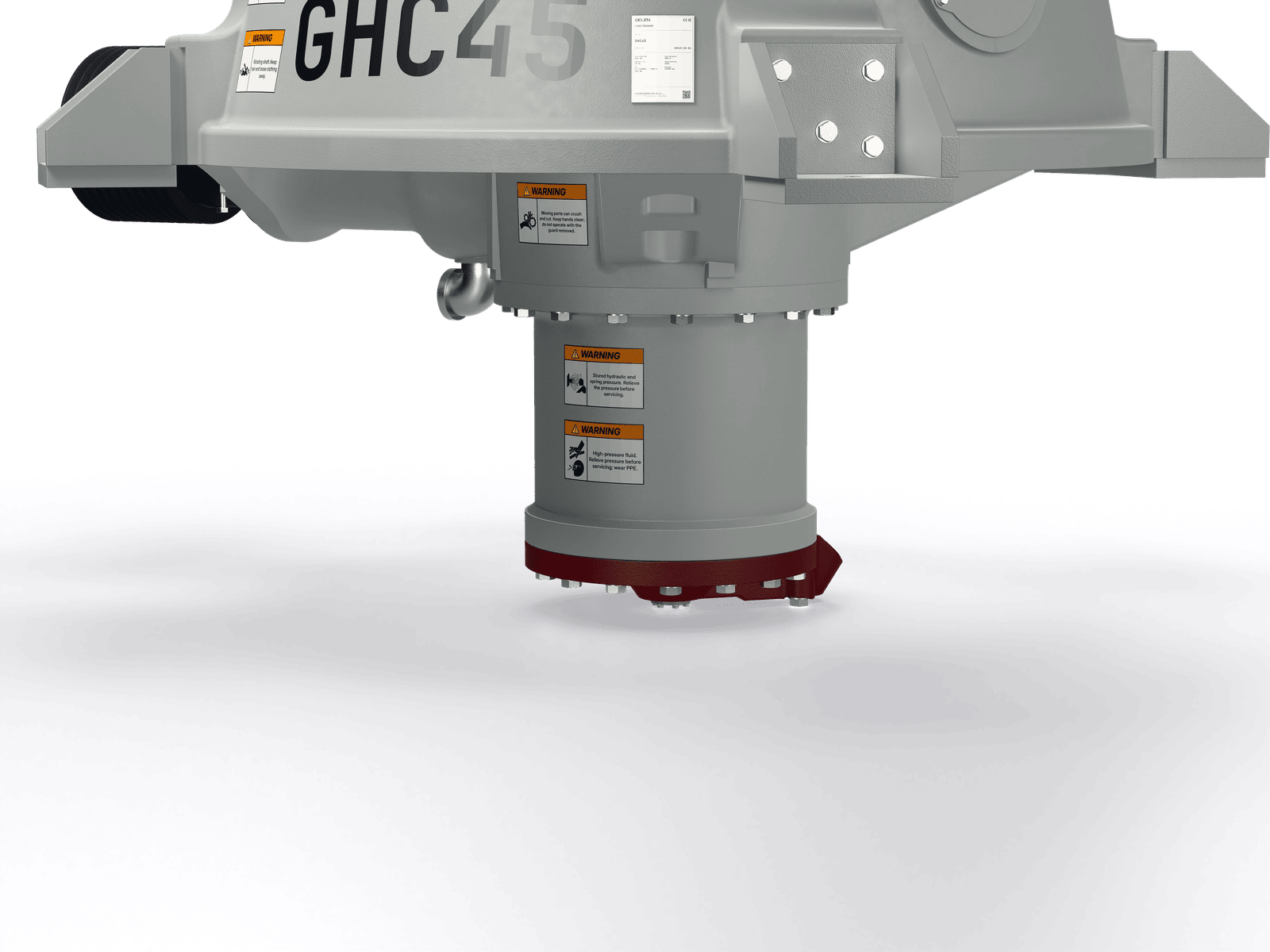
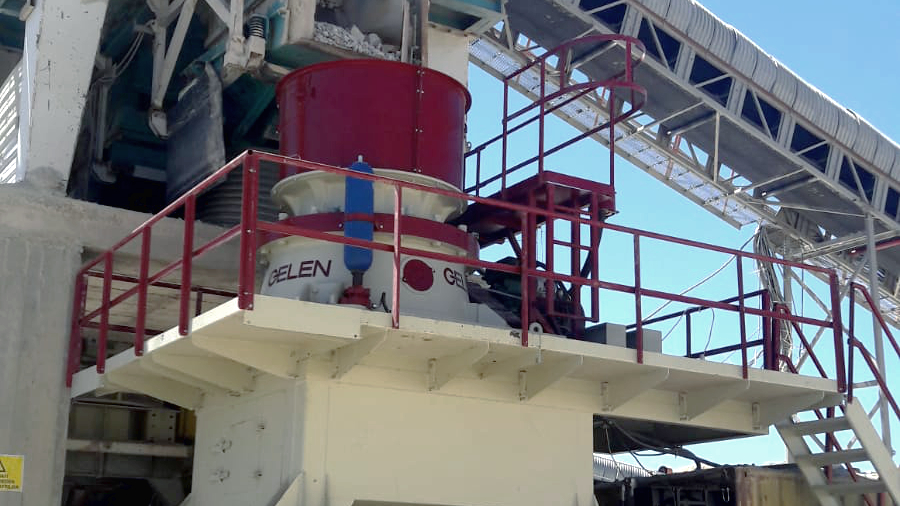
GELEN GHC Series Cone Crusher — Plant Installation
2 / 7
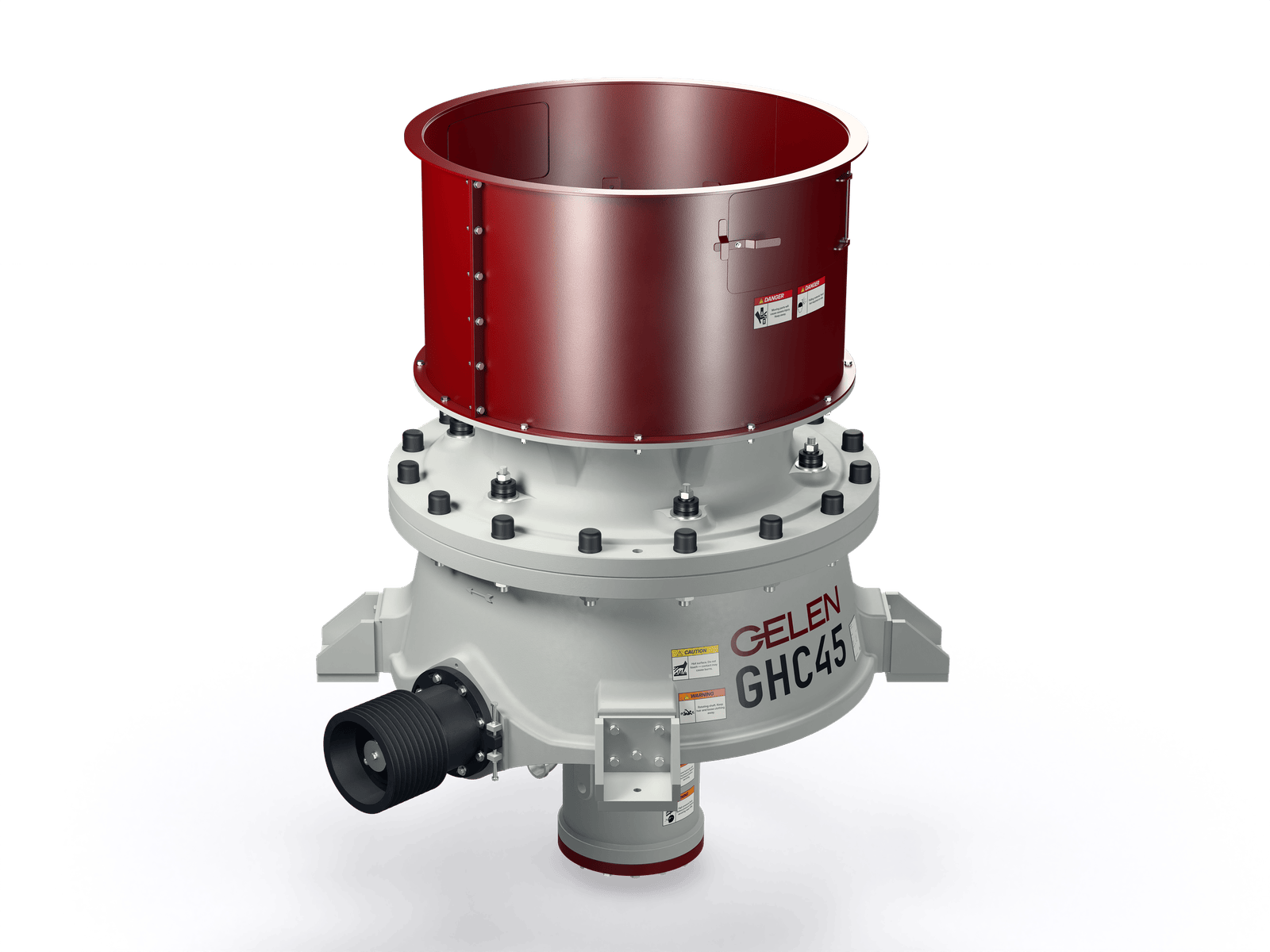
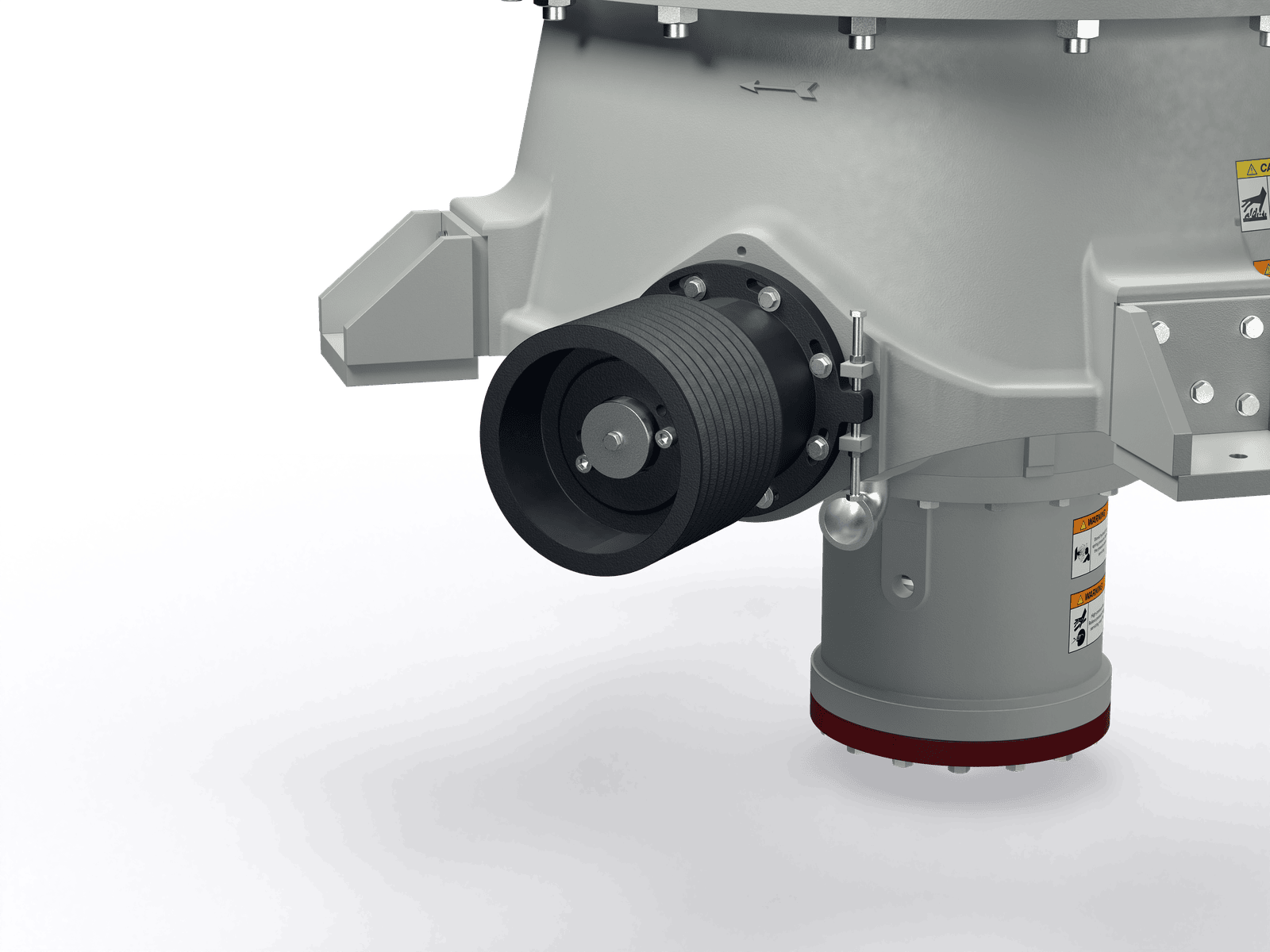
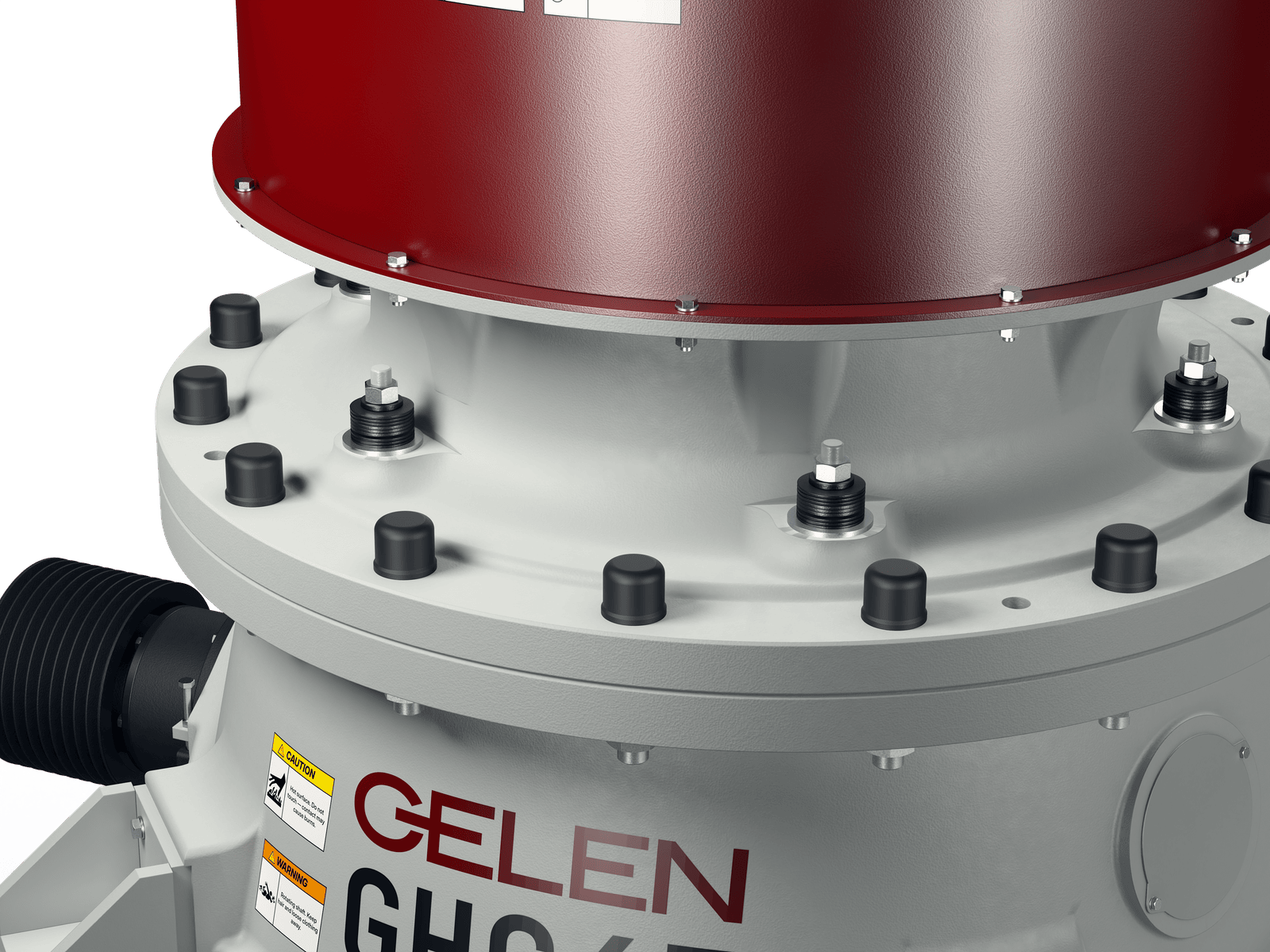
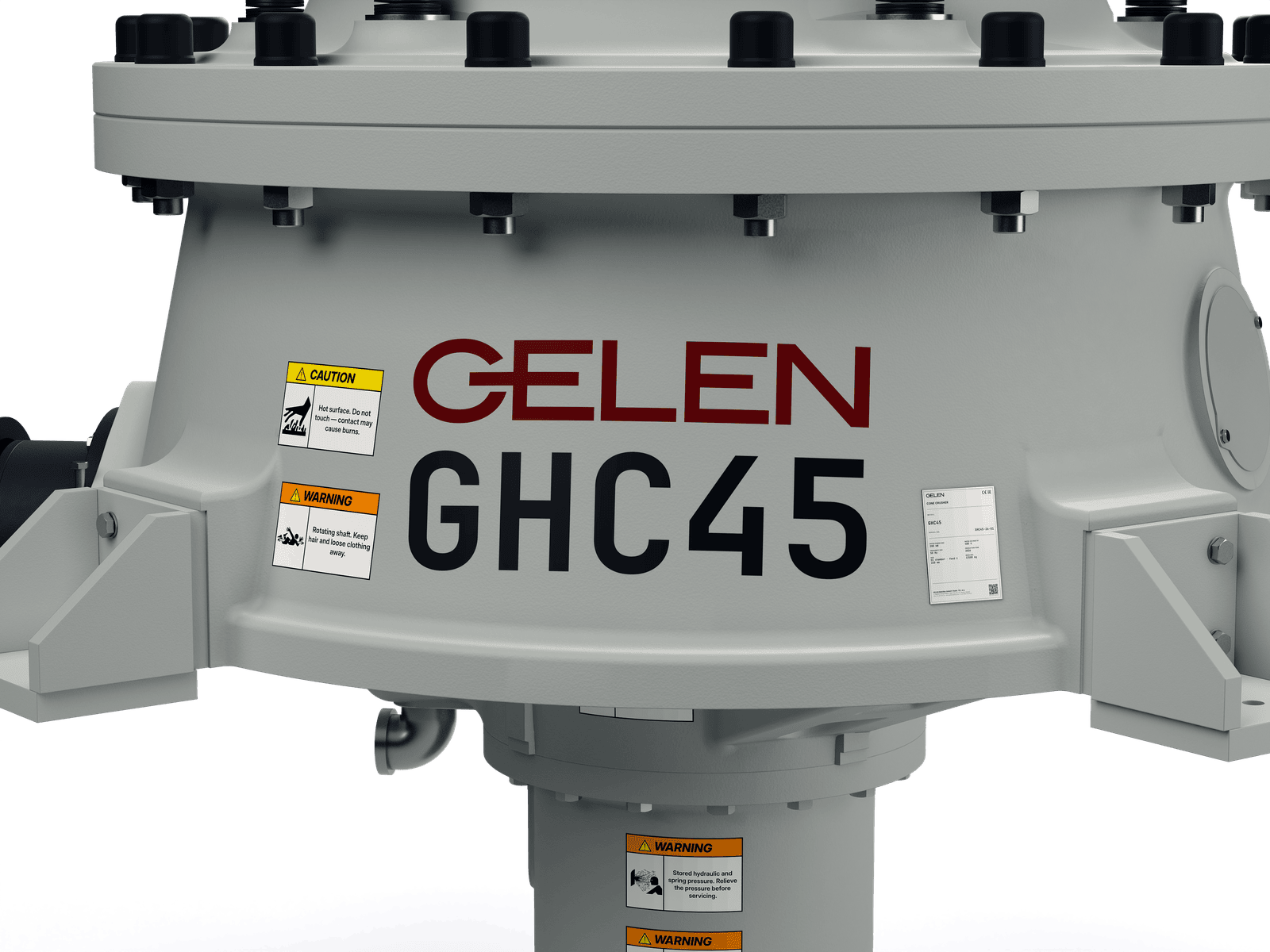
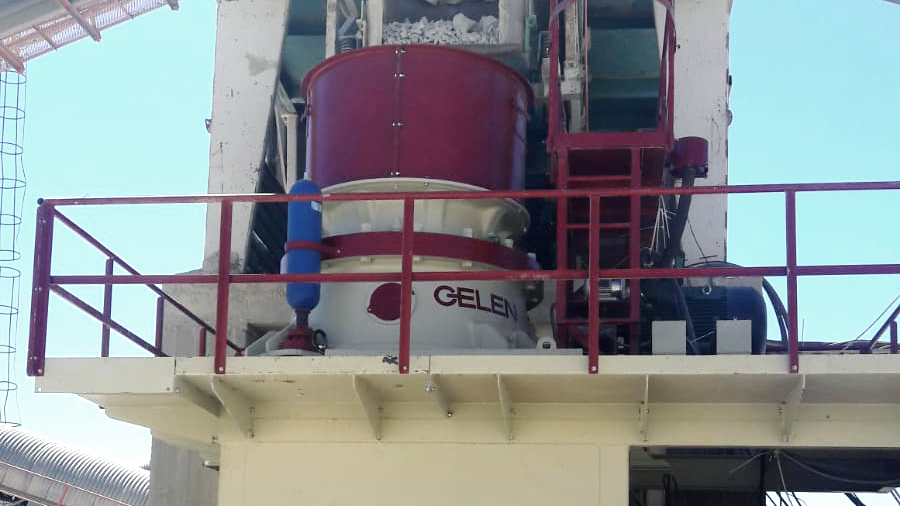
GELEN GHC Series Cone Crusher — Close-Up View
3 / 7
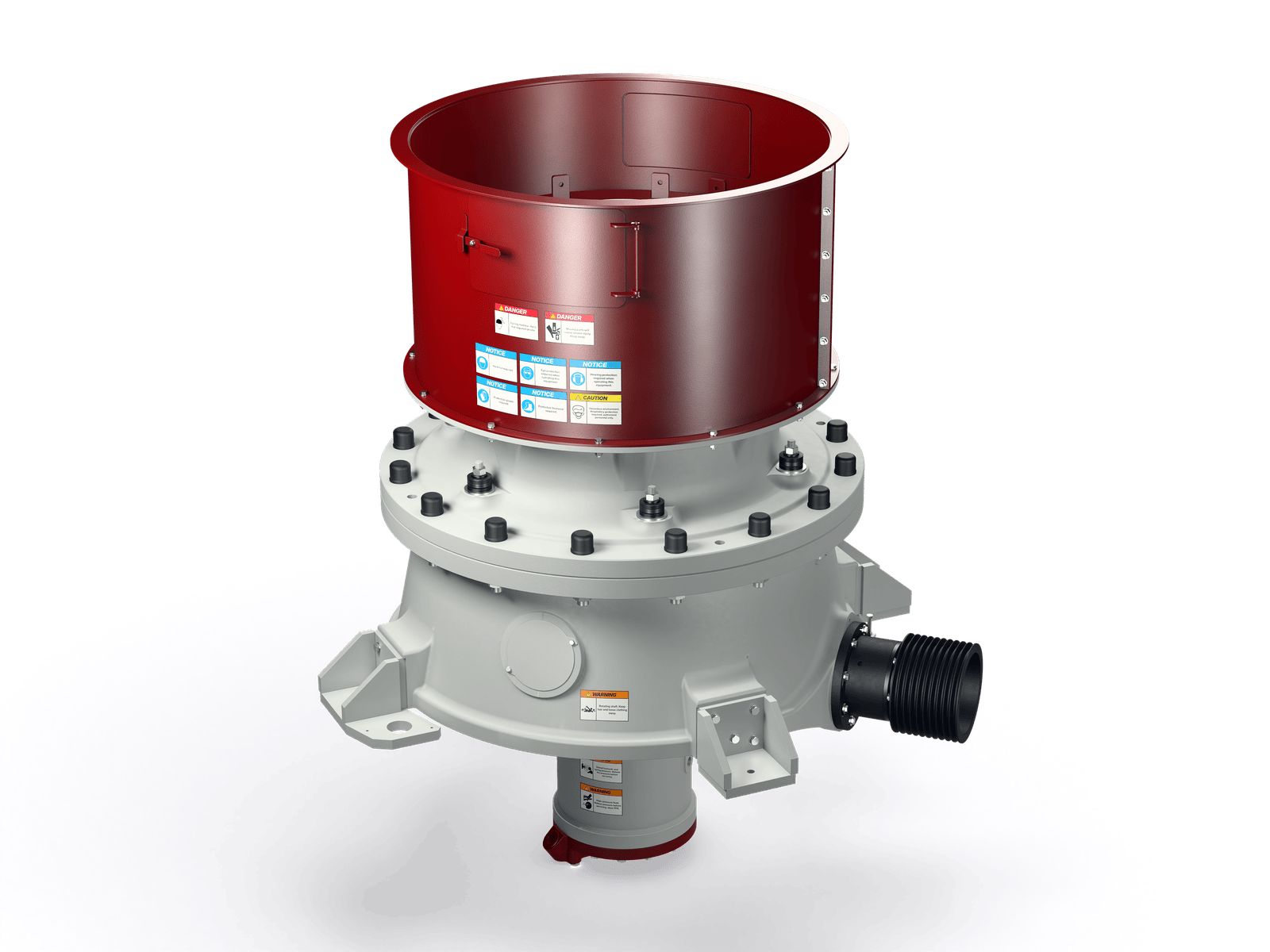
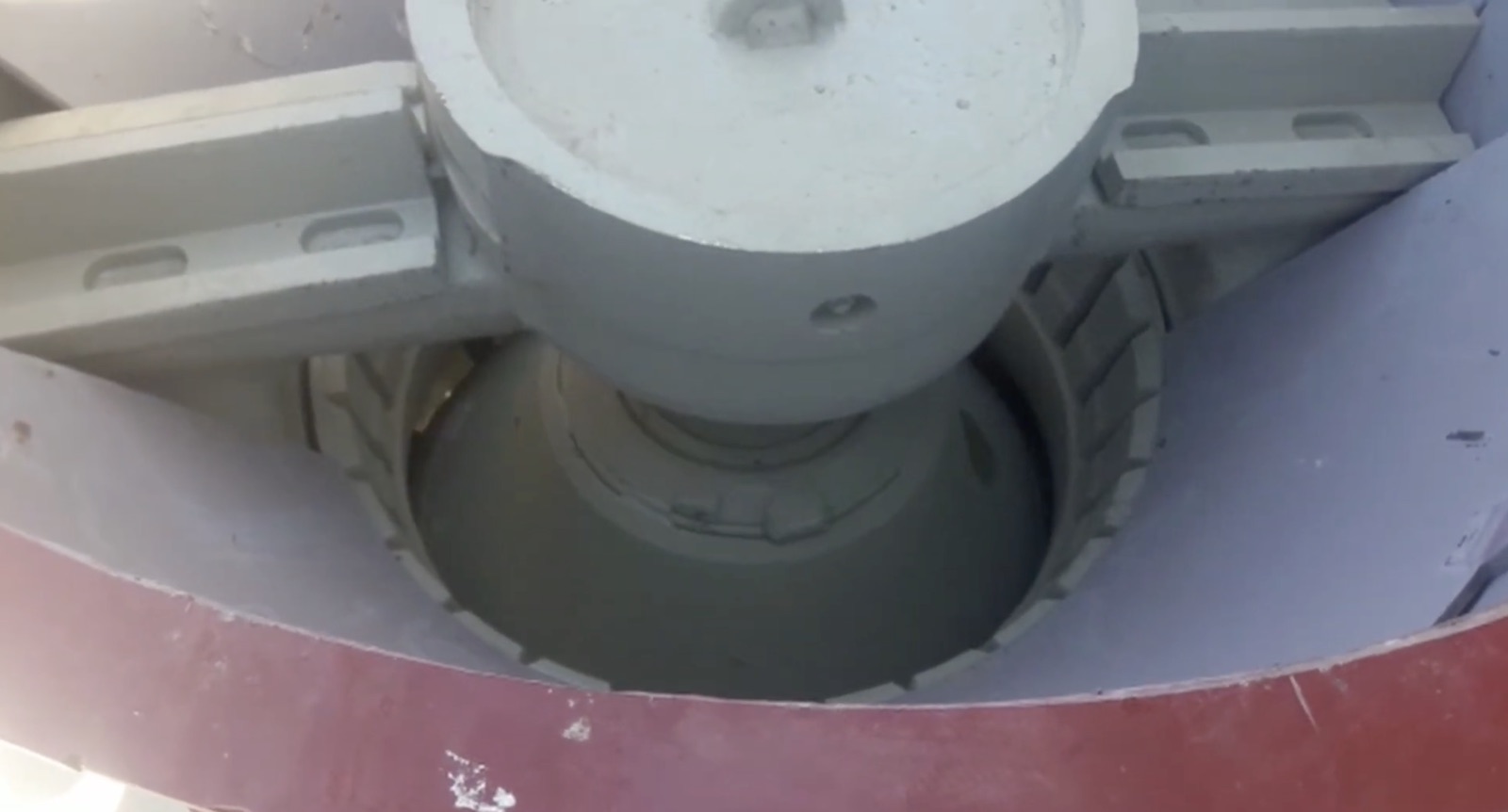
GELEN GHC Series Cone Crusher — Interior View
4 / 7
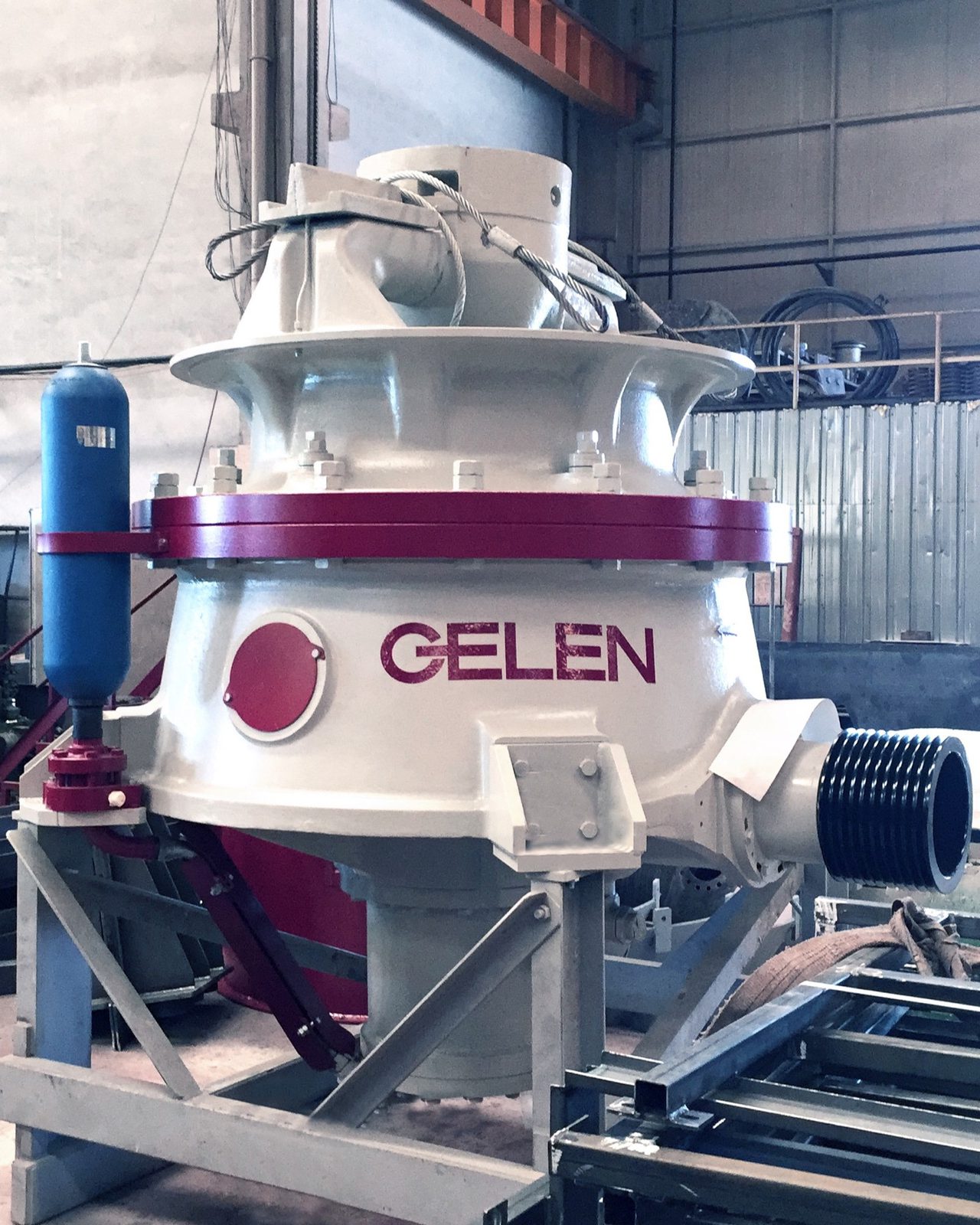
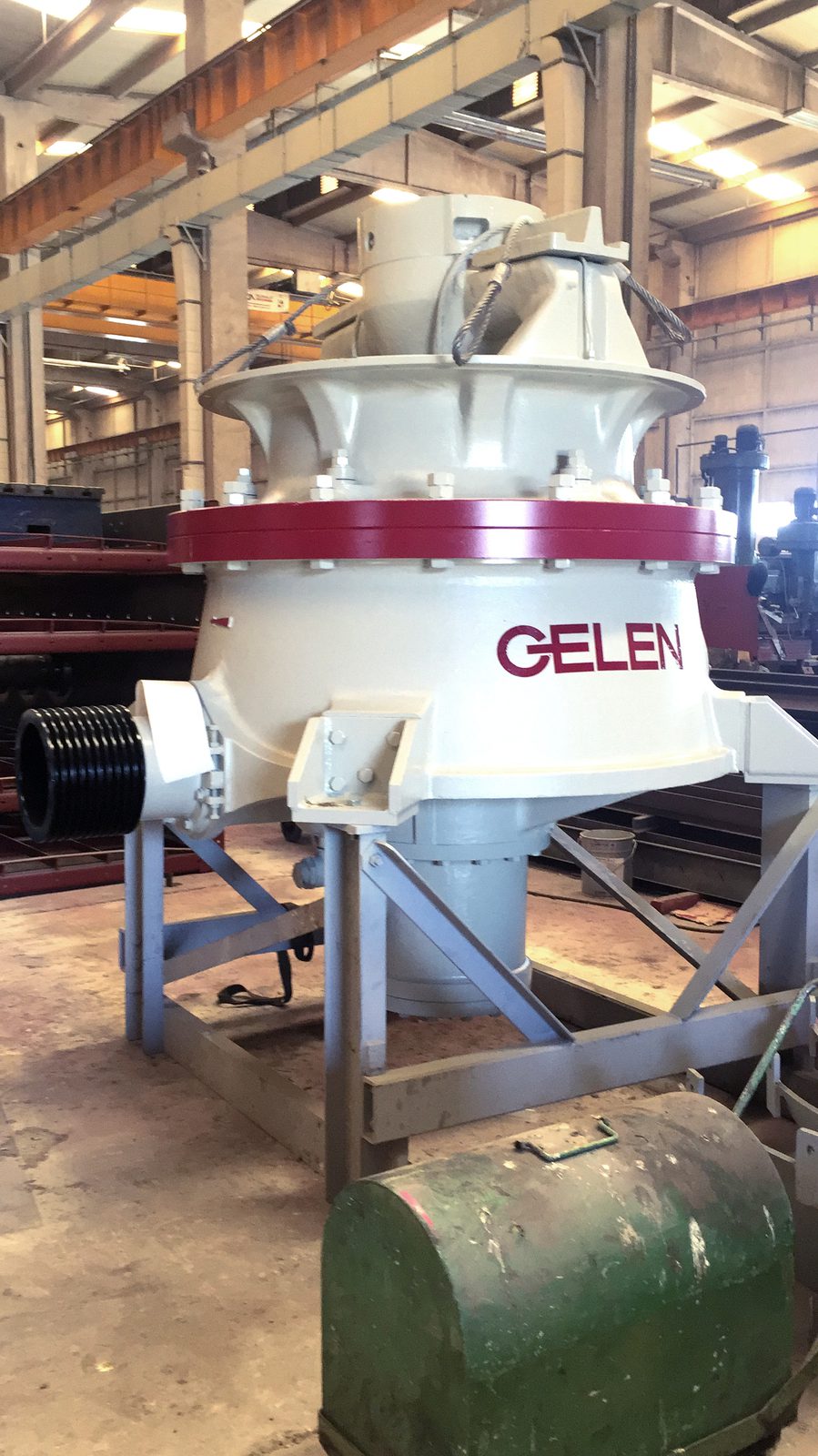
GELEN GHC hydraulic cone crusher with its accumulator at the factory
5 / 7
GELEN GHC cone crusher on the factory floor
6 / 7
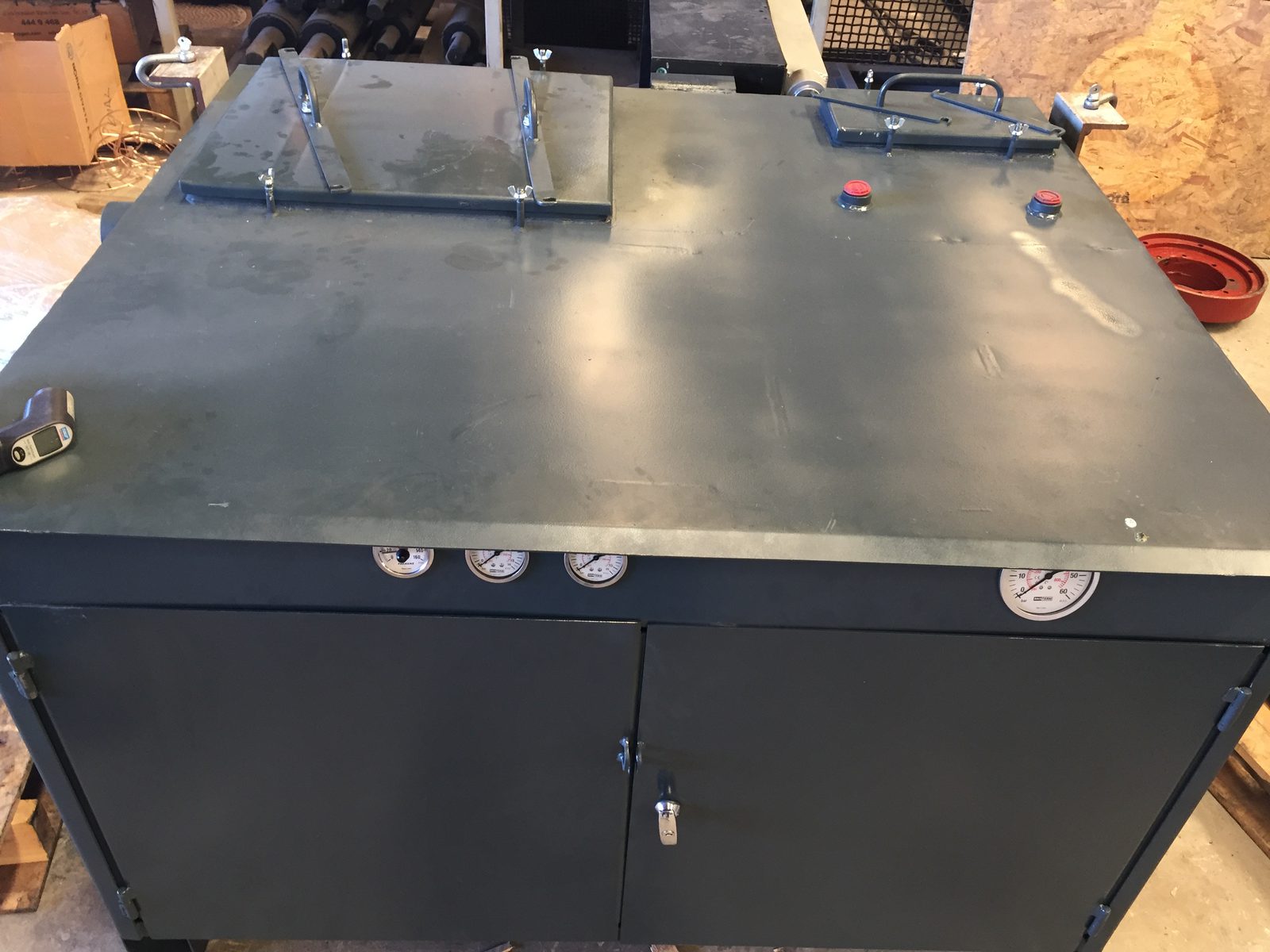
Hydraulic power unit cabinet of a GELEN GHC cone crusher with pressure gauges
7 / 7
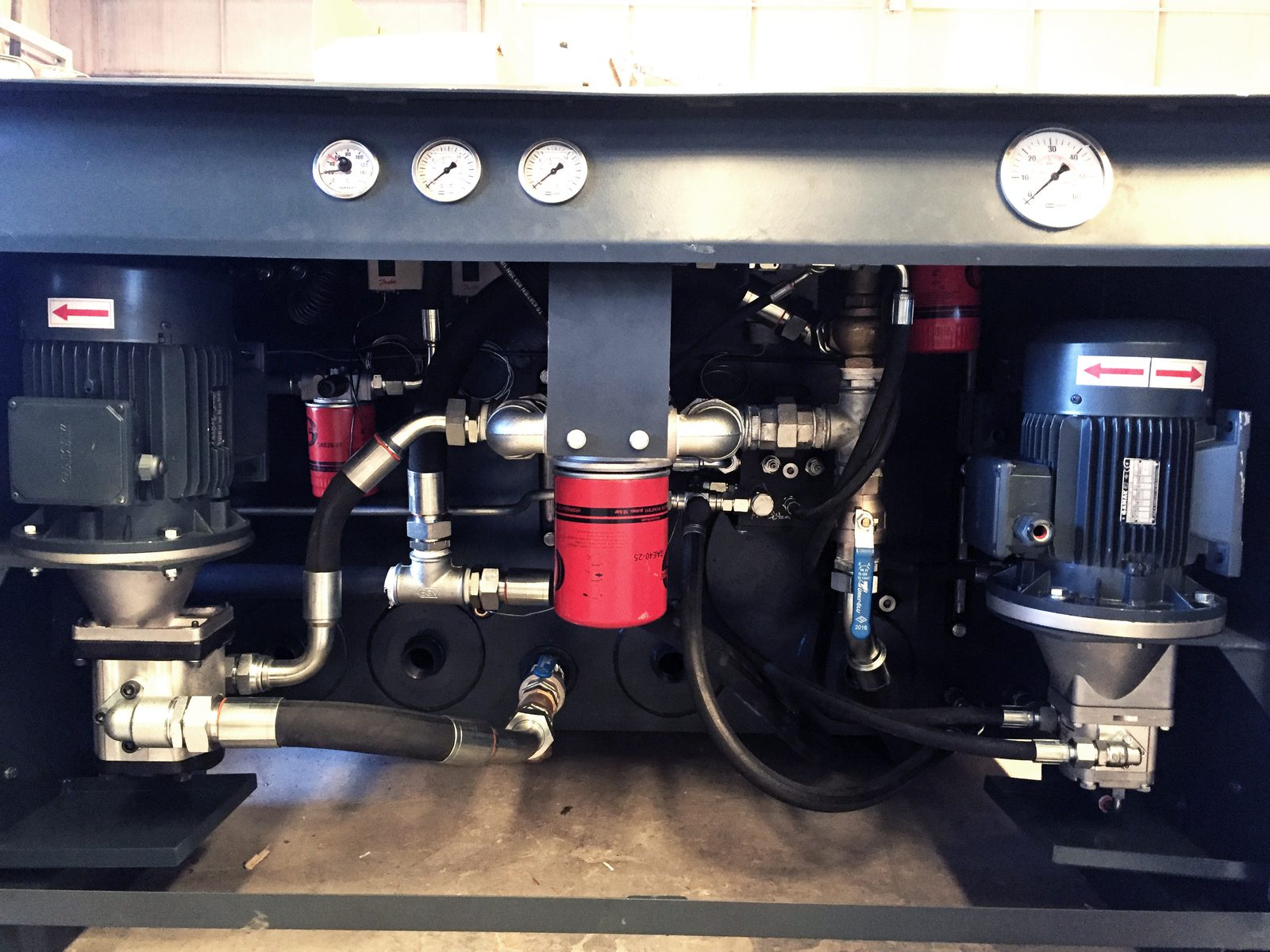
Inside the hydraulic power unit of a GELEN GHC cone crusher: motors, pumps, filters and gauges
Documents
Downloads
PDFThe GELEN product catalogue carries the GHC range with the screens and conveyors it works with. Chamber selection depends on your feed and product sizes, so the per-model data sheet is issued with the quotation.Download Catalogue
Industry Resources
Expand your knowledge with these technical guides and connect with the global crushing and aggregate community.
A cone crusher is a compression-type crusher designed to reduce rock and ore into progressively smaller sizes in secondary and tertiary crushing stages. Unlike jaw crushers, which use a flat plate to squeeze material, a cone crusher operates by gyrating an inner cone (mantle) inside a fixed outer bowl (concave). As material enters the top of the crushing chamber, the eccentric rotation of the cone creates a compression action — material is squeezed between the mantle and concave, breaking along its natural fracture lines. Crushed material falls through the narrowing gap and exits at the bottom.
The key measurement in cone crusher operation is the Closed Side Setting (CSS) — the smallest gap between the mantle and concave at the bottom of the crushing stroke. CSS directly controls your product's maximum output size. For example, a 12 mm CSS on a GHC Series crusher will produce material with 80% passing approximately 14–18 mm, depending on feed gradation and material hardness.
Cone crushers excel in secondary and tertiary crushing because they produce a consistent, cubical product shape — critical for asphalt, concrete, and road base applications where particle shape directly affects mix performance. Because the crushing is continuous (unlike the reciprocating action of a jaw crusher), cone crushers deliver high throughput with even wear distribution across the chamber liners.
Modern hydraulic cone crushers, like the GELEN GHC Series, add a hydraulic setting system that allows the CSS to be adjusted under load without stopping the crusher. This capability maintains product specification as liners wear down, and the same system provides automatic overload protection — if an uncrushable object enters the chamber, the hydraulic system momentarily opens the CSS to pass it safely, then resets.
In a typical multi-stage crushing plant, a cone crusher follows a primary jaw crusher. The jaw crusher reduces run-of-mine material from 600–1,000 mm to 80–150 mm, and the cone crusher then takes this material and reduces it to 6–50 mm depending on the application. A tertiary cone crusher or VSI may follow to produce final specification products. GELEN GHC Series cone crushers are available in four models — GHC28, GHC37, GHC45, and GHC56 — covering capacities from 25 to 600 mtph, with full hydraulic CSS control across all models.
Cone crushers are classified by both their mechanical design and the crushing application they serve. Understanding the differences helps you select the right machine for your material and output requirements.
Standard Cone Crusher — Designed primarily for secondary crushing, the standard cone has a wider feed opening and a larger CSS range, typically 10–50 mm. It accepts material directly from a jaw crusher (typically 80–220 mm feed) and reduces it to 25–60 mm. The standard head geometry creates a longer crushing path, which improves reduction ratio for coarser feed materials. This is the right choice when your plant receives run-of-crusher material at 80–200 mm and needs to produce 20–50 mm output for a tertiary stage or final screen.
Short Head Cone Crusher — The short head version is optimized for tertiary crushing and fine material production. It has a steeper head angle and a smaller feed opening (typically 35–130 mm), producing output as fine as 6–10 mm CSS. If your process requires material finer than 20 mm — for manufactured sand, asphalt aggregate, or fine railway ballast — a short head cone is the right choice for the final crushing stage. Short head performance is particularly sensitive to feed gradation: choke-feeding a short head with oversize material will cause overload and excessive wear.
Hydraulic Cone Crusher — The modern standard for secondary and tertiary applications. Instead of a spring-loaded relief system, a hydraulic cone uses an oil-hydraulic circuit to control CSS, provide overload protection, and enable rapid clearing of the crushing chamber after a bowl pack. The GELEN GHC Series uses a fully hydraulic system, which eliminates the need for shim adjustment, reduces maintenance time, and allows CSS changes during operation — critical for maintaining product specification without production stops.
Spring Cone Crusher — An older design that uses a spring assembly around the outer frame to provide tramp iron protection. Spring cones are still in service in many quarries but require more manual intervention for CSS adjustment (physical shim plates) and have higher maintenance requirements than hydraulic equivalents. They are generally not recommended for new plant installations.
Gyratory Crusher — Often confused with cone crushers, gyratory crushers are primary machines designed for very large feed sizes (600–1,200 mm) and high throughputs (1,000–5,000 t/h). They share the cone-inside-bowl geometry but operate at a completely different scale and are not used in secondary or tertiary applications.
For most aggregate and mining operations today, a hydraulic cone crusher — standard head or Extra Coarse (EC) chamber for secondary, Fine (F) chamber for tertiary — is the optimal choice. The GELEN GHC Series covers both applications through its interchangeable chamber (concave) system.
Cone crushers are the preferred secondary and tertiary crushing machine for aggregate producers, mining operations, and recycling plants worldwide. Here is why they outperform alternatives in the right application:
1. Superior Particle Shape Because cone crushers use a compression-and-release action with a gyrating motion, material is crushed from multiple angles rather than in a single plane. This produces a cubical, well-shaped particle — essential for asphalt concrete, which requires angular aggregate for mix stability, and for concrete production, where cubical particles reduce water demand and improve compressive strength. A jaw crusher's flat compression action tends to produce flaky particles that often require additional shaping stages.
2. High Reduction Ratio A cone crusher can achieve a 6:1 to 8:1 reduction ratio, meaning a 120 mm feed can be reduced to 15–20 mm in a single pass. This high ratio reduces the number of crushing stages needed and lowers total plant capital expenditure and operational complexity.
3. Automatic Overload Protection Modern hydraulic cone crushers automatically relieve the CSS when an uncrushable object (tramp iron, steel bolts, drill bits) enters the chamber. The hydraulic system opens and closes the gap automatically within seconds, preventing catastrophic liner or shaft damage. This is particularly valuable in recycling and mining applications where contamination in the feed is common.
4. CSS Adjustment Without Shutdown As liners wear, effective CSS increases and product gradually becomes coarser. The hydraulic system on GHC Series crushers allows operators to compensate by tightening the CSS while running at full production — maintaining specification without interrupting output. This is impossible with mechanical shim adjustment on older spring cone designs.
5. Multiple Chamber Configurations Fine (F), Medium (M), and Extra Coarse (EC) concave profiles let you match the crushing geometry to your material and output specification. GELEN GHC liners are manufactured from 14Mn and 18Mn manganese steel grades — choosing the right alloy for your material hardness can extend liner life by 30–50% compared to a generic selection.
6. Low Operating Cost Per Ton At scale (150+ mtph), the cone crusher's energy consumption per ton produced is lower than impact crushers for hard abrasive materials. Liner wear costs are predictable and manageable, and the GHC hydraulic system reduces maintenance labor compared to mechanical adjustment designs.
Selecting a cone crusher involves matching the machine's capabilities to your material, circuit design, and final product specification. Here is a systematic approach:
Step 1: Identify your feed material Material hardness (Mohs scale or compressive strength in MPa), abrasiveness (silica content), and moisture content all affect crusher selection. Limestone (soft, 2–3 Mohs) allows higher throughput and longer liner life than granite or basalt (hard, 6–7 Mohs), which require a harder liner alloy (18Mn vs. 14Mn) and may reduce capacity by 20–30% compared to soft rock at the same CSS.
Step 2: Determine your target CSS and output gradation What is your final product specification? For asphalt aggregate, a typical CSS of 8–14 mm produces a 0–16 mm gradation suitable for most asphalt mix designs. For road base material, a CSS of 20–38 mm is typical. For concrete coarse aggregate (10–20 mm finished size), a CSS of 12–20 mm is standard. The GHC Series covers CSS from 6 mm (GHC28, Fine chamber) to 50 mm (GHC56, Extra Coarse chamber).
Step 3: Match capacity to your plant throughput Cone crushers are rated by capacity at a specific CSS and feed gradation. A GHC45 at 12 mm CSS on granite produces approximately 80–150 mtph; the same machine on limestone at 20 mm CSS may produce 200–280 mtph. Always size the cone crusher 15–20% above your target throughput to allow for feed gradation variation, seasonal feed moisture changes, and liner wear over the service cycle.
Step 4: Choose the right chamber (liner profile) Fine (F) liners suit tertiary crushing and fine aggregate production (CSS 6–20 mm). Medium (M) liners suit most secondary applications where feed is 50–150 mm and product is 15–40 mm. Extra Coarse (EC) liners are used when feed is coarse (up to 220 mm on GHC45) and output specification allows a wider gradation. Matching the chamber profile to your application can increase production by 15–25% and extend liner life compared to using a mismatched profile.
Step 5: Decide between stationary and mobile configuration A stationary cone crusher in a fixed plant offers the lowest cost per ton at high throughputs (300+ mtph) but requires civil works and a permanent installation. A mobile (tracked) cone crusher is right for quarries requiring relocation between faces, short-term contract crushing operations, remote sites with poor infrastructure access, or when capital investment must remain mobile. GHC Series models are compatible with both configurations.
Contact our engineering team with your feed material, feed size, required output specification, and target capacity — we will recommend the right GHC model, chamber profile, and circuit configuration for your operation.
1981
Manufacturing since
1,000+
Screens delivered
6
Continents served
1,000 t/h
Largest plant
Talk to a GELEN Engineer
Send your material, your capacity and the product sizes you need. An engineer answers, not a form.