
Introduction: Jaw crushers and cone crushers are often used together in the same plant — the jaw as primary, the cone as secondary. But understanding their strengths helps you decide whether you need one, the other, or both. This comparison covers the technical differences, practical scenarios, and cost implications.
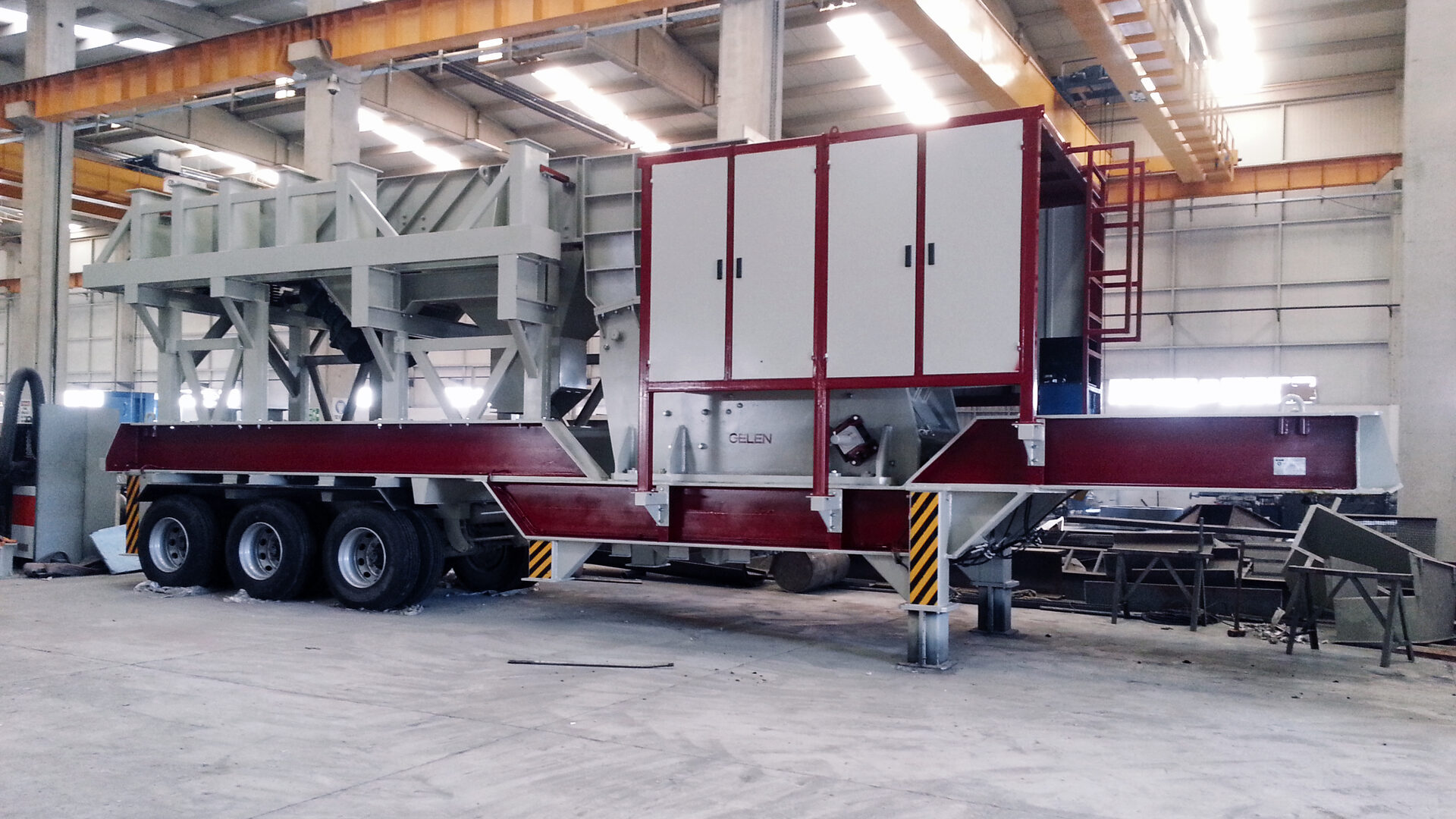
How Each Crusher Works
Jaw Crusher
A jaw crusher uses compressive force between a fixed jaw and a moving jaw to break rock. It excels at accepting large feed sizes and delivering a high reduction ratio in a single pass. It is the standard primary crusher in most circuits.
Cone Crusher
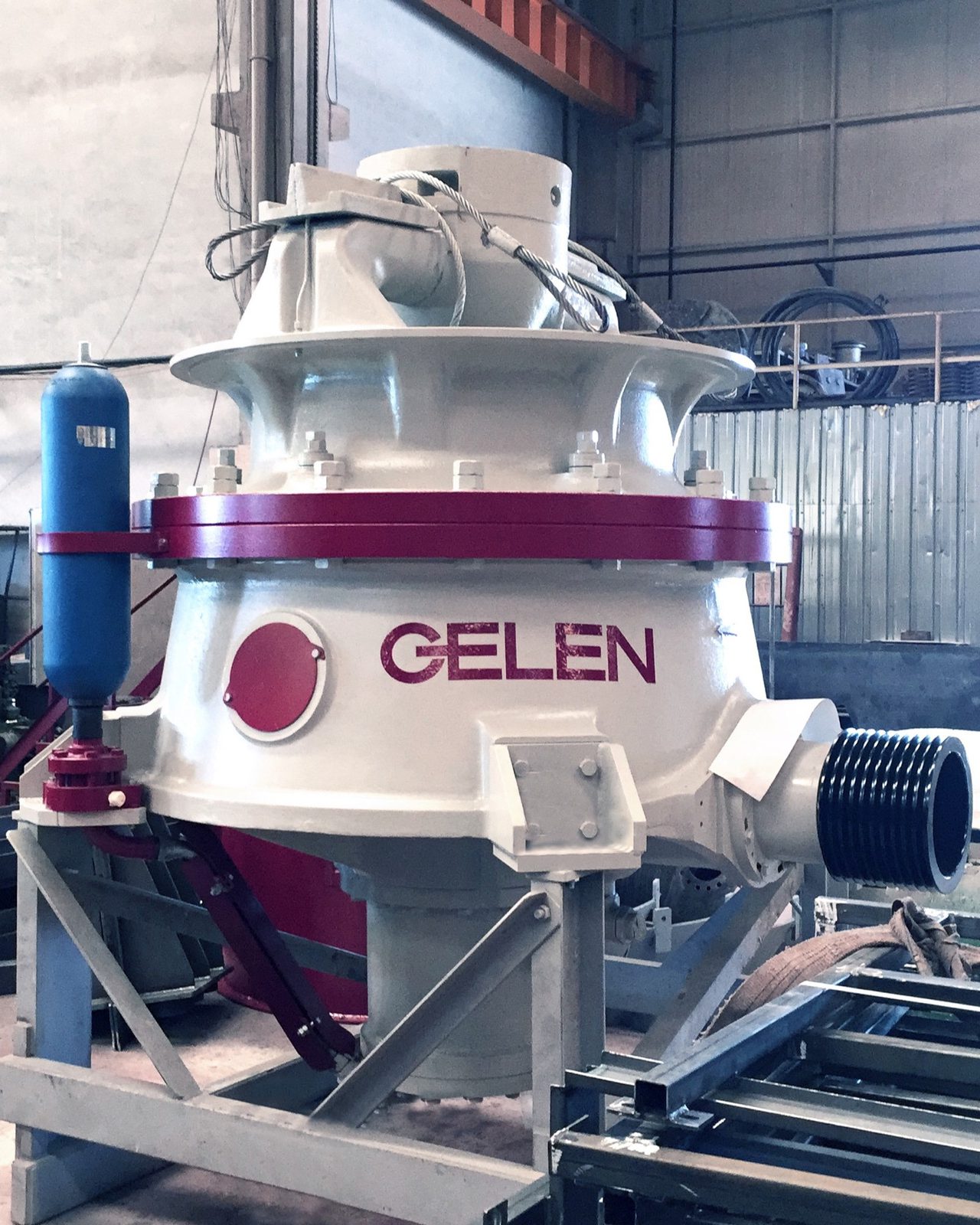
A cone crusher uses a gyrating mantle inside a concave bowl to crush material by compression. The material is continuously compressed as it travels down the crushing chamber. Cone crushers are designed for secondary and tertiary crushing, producing well-graded, fine product.
Side-by-Side Comparison
| Criterion | Jaw Crusher | Cone Crusher |
|---|---|---|
| Primary role | Primary crushing (first break) | Secondary / tertiary crushing |
| Feed size | Up to 1,080 mm | Typically <300 mm |
| Reduction ratio | 4:1 to 6:1 | 3:1 to 8:1 |
| Output product | Coarse; 40–200 mm typical CSS range | Fine; 6–50 mm typical CSS range |
| Product shape | Good; slightly elongated | Excellent; highly cubic |
| Throughput capacity | 20–1,000 t/h (GELEN CK range) | 50–500 t/h typical |
| Material hardness | All hardness levels | Medium to very hard |
| Moisture tolerance | Good; handles wet and sticky feed | Low; sticky material causes packing |
| Wear parts cost | Low (jaw plates, toggle plate) | Moderate (mantle, concave, bowl liner) |
| Maintenance complexity | Simple; fewer moving parts | More complex; hydraulic system |
| Capital cost | Lower | Higher |
When to Use a Jaw Crusher Only
- Low-volume operations where a single-stage crush to ~100 mm is sufficient (e.g., road base, fill material).
- Recycling applications where product specification is less strict and a jaw crusher handles rebar-laden concrete.
- Mobile or temporary sites where simplicity and fast setup matter more than final product shape.
- Very hard, highly abrasive materials where the first stage produces enough product in the desired size range.
When to Use a Cone Crusher Only
- Tertiary crushing where feed is already pre-reduced to <100 mm and the goal is to produce fine aggregate (6–25 mm).
- Shape-critical applications like concrete aggregate or asphalt mix where product cubicity is a specification requirement.
- High-volume secondary production where continuous inter-particle crushing produces the best gradation curve.
When to Use Both (Most Common)
The most efficient crushing circuits use a jaw crusher as the primary stage followed by a cone crusher as the secondary stage. This combination gives you:
- Maximum feed acceptance: The jaw handles oversized ROM (run-of-mine) material.
- Optimal product gradation: The cone produces well-shaped, well-graded aggregate.
- Lowest total cost: Each machine works in its ideal range, minimizing wear and energy per tonne.
Typical plant flow: GELEN CK jaw crusher → scalping screen → GELEN cone crusher → final classification screen.
Practical Scenarios
| Scenario | Recommendation | Reason |
|---|---|---|
| Granite quarry, 300 t/h, 0–31.5 mm aggregate | Jaw + Cone | Hard material; need fine, cubic product |
| Limestone quarry, 200 t/h, 0–80 mm road base | Jaw only | Soft material; coarse product spec |
| Concrete recycling, 100 t/h | Jaw only | Rebar tolerant; flexible CSS |
| Gold mine, 500 t/h, feed SAG mill | Jaw + Cone | Hard ore; need consistent fine feed |
| River gravel, 150 t/h, construction aggregate | Jaw + Cone (or Jaw + Impact) | Mixed hardness; shape requirement |
Conclusion
Jaw crushers and cone crushers are complementary, not competing, technologies. The jaw is your workhorse primary breaker; the cone is your precision secondary reducer. Most high-quality aggregate operations use both.
GELEN manufactures both CK Series jaw crushers and cone crushers — designed to work together for maximum plant efficiency. Contact our team for a plant layout tailored to your requirements.