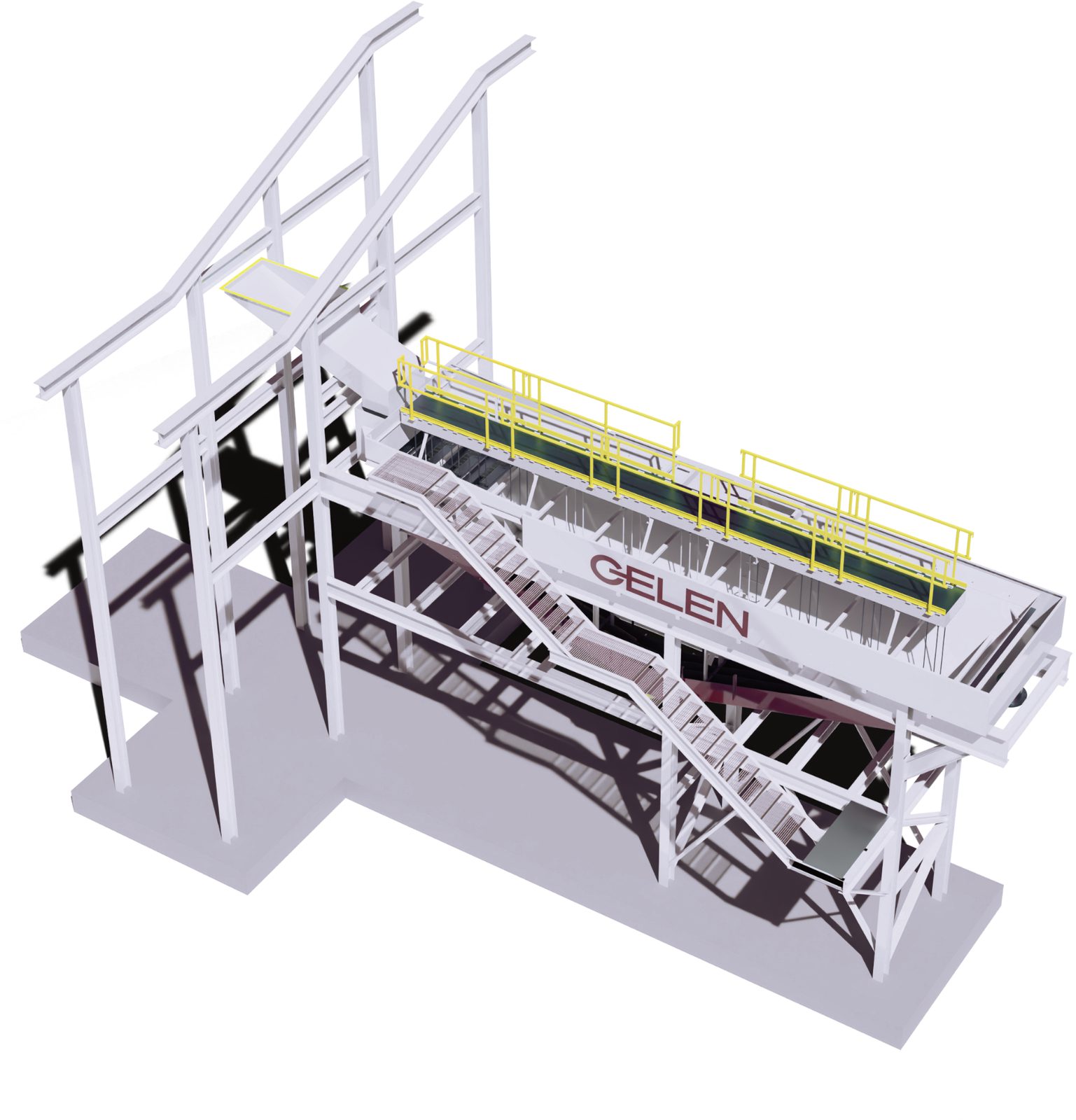
Sand Washing Plants
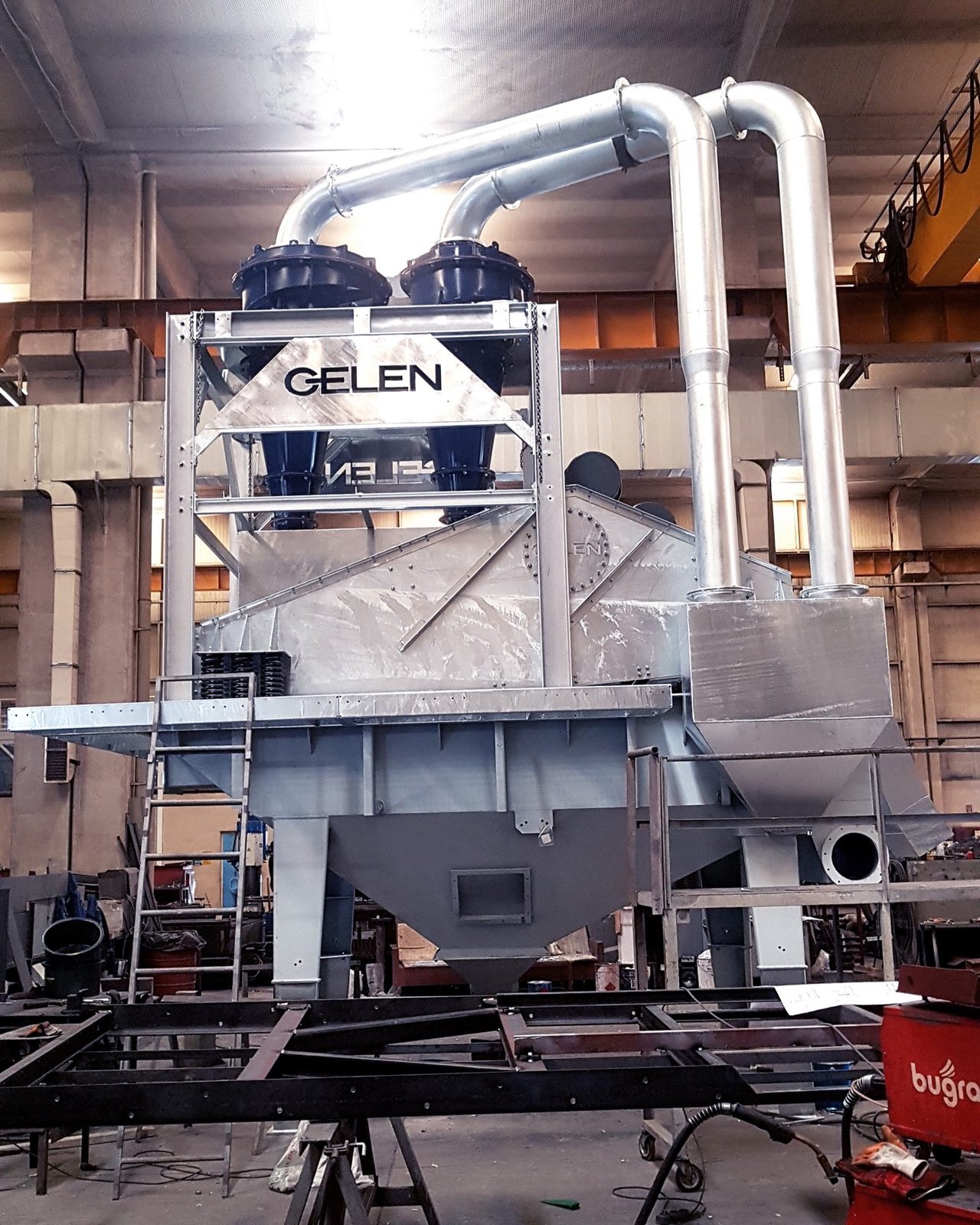
Compact GSP plants with slurry pump, hydrocyclones and dewatering screen for fine sand recovery and low-moisture sand.
- GSP-1 to GSP-4
- 100–300 t/h
- Hydrocyclones

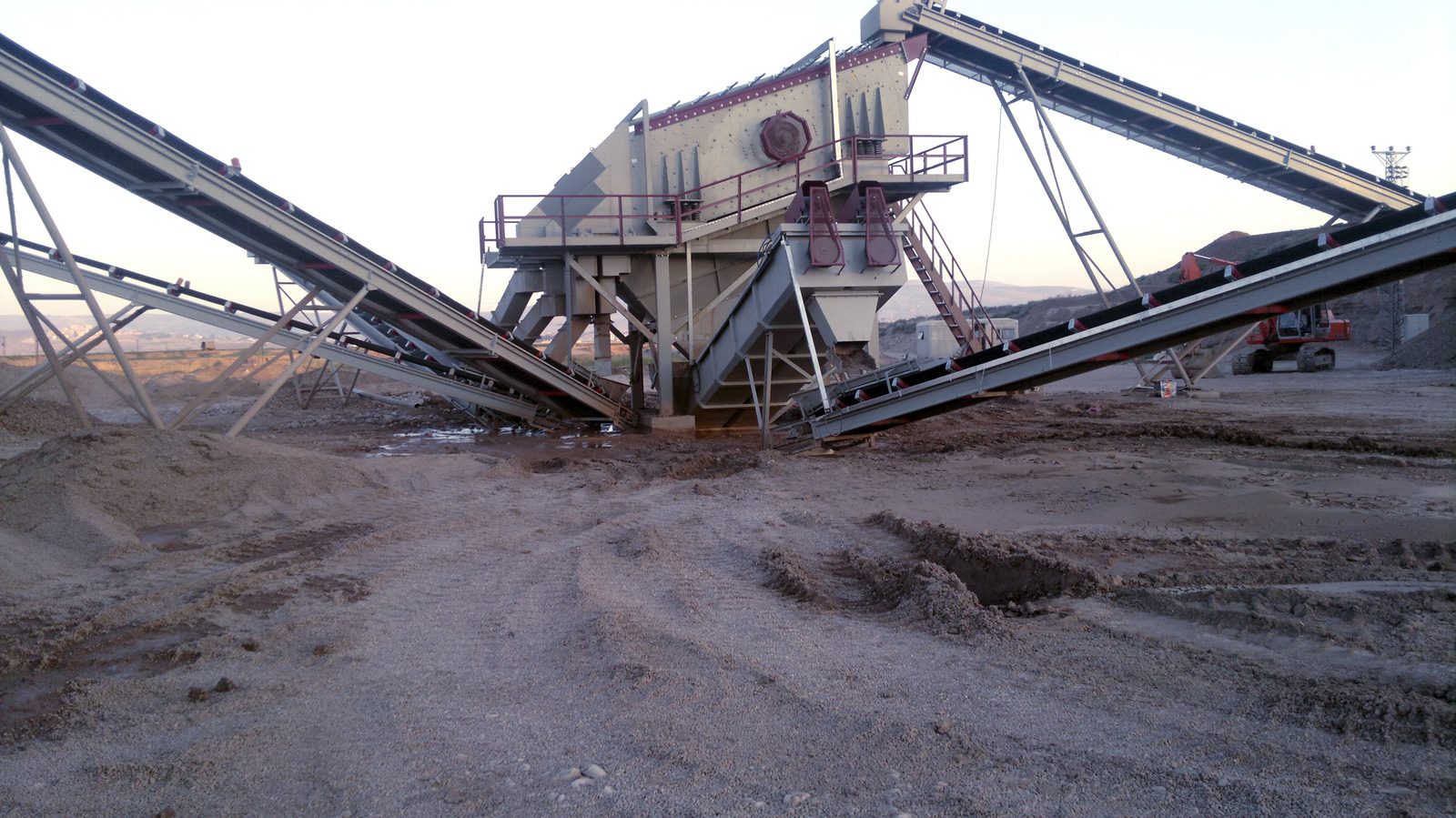
Clay, silt and fine dust decide whether sand and aggregate meet specification. GELEN washing equipment removes them — from scrubbing clay-bound gravel to recovering fine sand and dewatering it — with sand washing plants, screw classifiers, log washers and sand classifiers designed together with GELEN crushers, screens and conveyors as one plant.
Choose the machine by the job it has to do in the plant.
Compact GSP plants with slurry pump, hydrocyclones and dewatering screen for fine sand recovery and low-moisture sand.
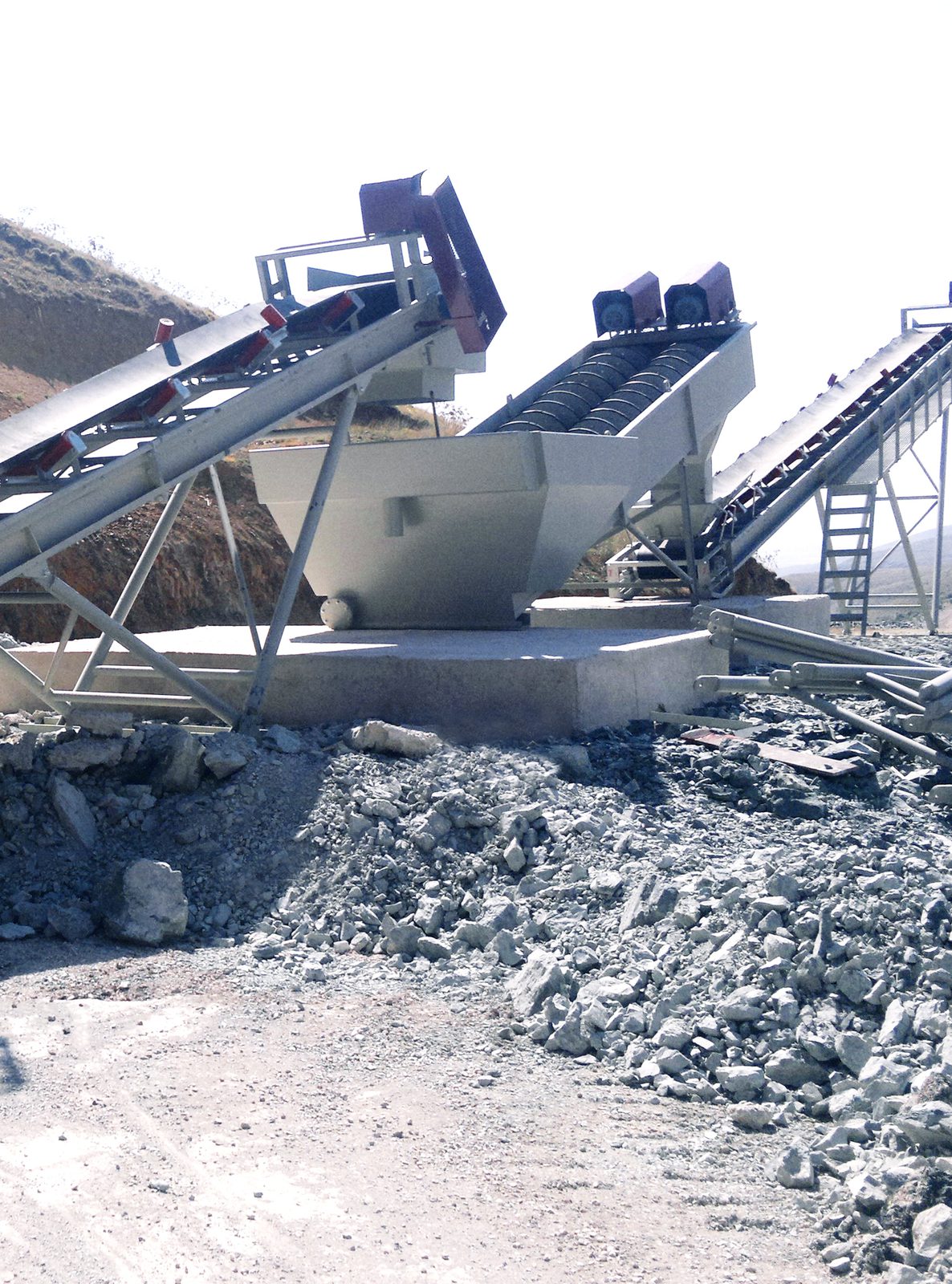
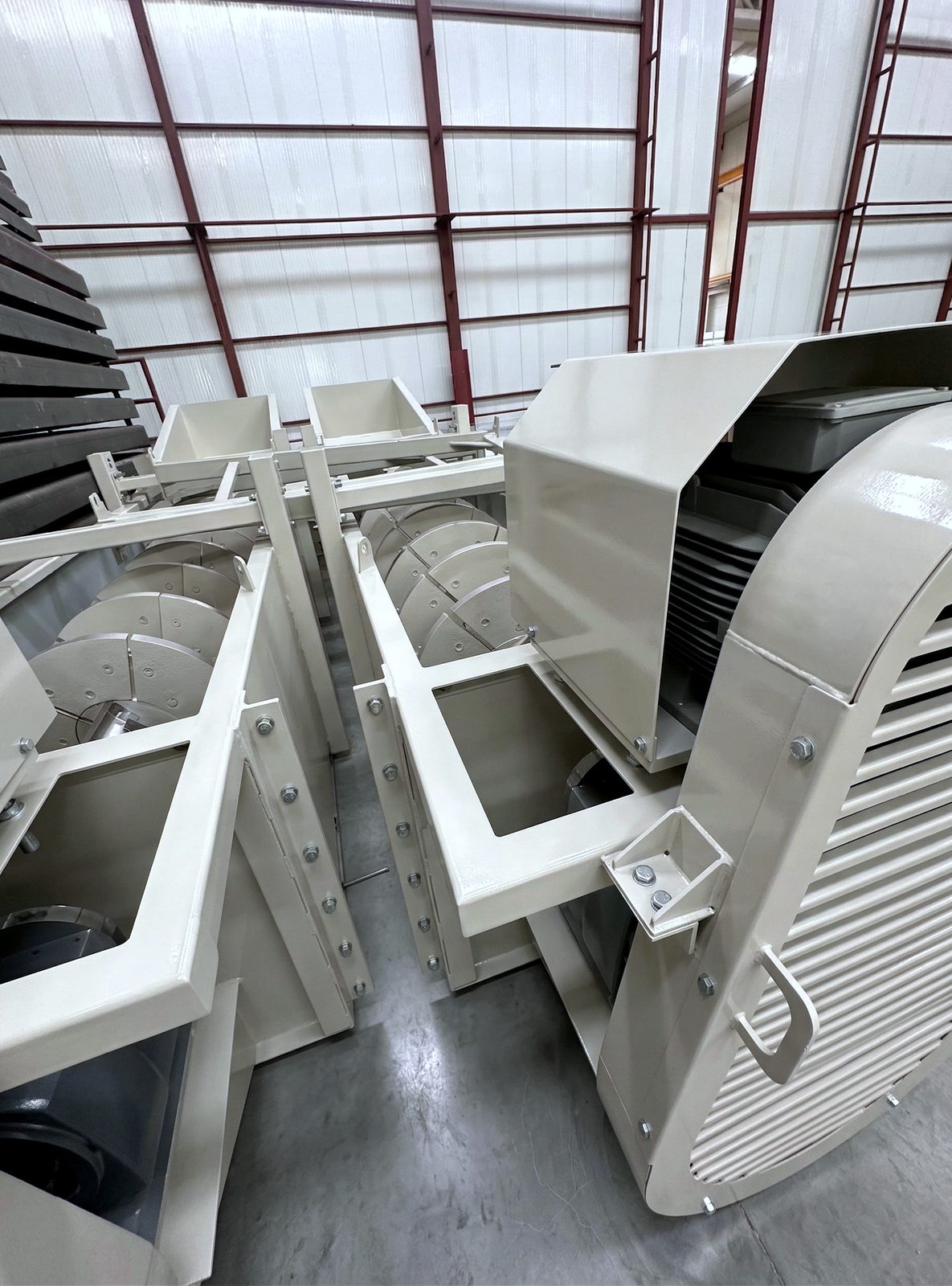
HY screw classifiers and GFW fine material washers that wash, classify and dewater sand in one machine.
GLW log washers, GBM blade mills and GCW coarse material washers that scrub clay from gravel and crushed stone.
HYDROSAND fines classifying units and classifying tanks for tight, controllable sand specifications.
Start from the problem in your material. Most washing plants combine two or more of these machines.
| Problem in the material | Machine | What it does | Feed | Capacity | Water | Position in the plant |
|---|---|---|---|---|---|---|
| Clay balls, clay coatings or conglomerates on gravel and stone | Log washer, blade mill or coarse material washer | Scrubs and breaks up clay before rinsing | Gravel and crushed stone up to 65–100 mm | 25–600 t/h | About 65–250 m³/h | After the feeder, before the rinsing screen |
| Silt and clay in sand; sand must be drained | Screw classifier | Washes, classifies and dewaters sand | Sand up to 10 mm | 22–725 t/h | Up to about 990 m³/h (GFW) | On the sand from the rinsing screen |
| Valuable fine sand lost to the pond, or sand must be dry | Sand washing plant | Recovers fine sand with hydrocyclones and dewaters it on a screen | Sand slurry | 100–300 t/h | 300–750 m³/h slurry feed | On the screw classifier overflow, or as the sand line |
| Sand outside its gradation limits or several products needed | Sand classifier | Separates by size or density with a controllable cut and blends products | Washed sand | 80 to 500+ t/h | Upward teeter water | Between washing and dewatering |
| Dirt and fines on crushed stone | Rinsing screen | Spray bars wash the stone while it is sized | Crushed stone and gravel | By screen size | Spray water sized with the screen | After crushing, or after a log washer |
GELEN washing equipment serves aggregate, mining and recycling operations.

Washed sand and gravel for concrete and asphalt, free of the clay and silt that weaken mixes and fail specifications.

Washing and classifying crushed sand from VSI crushers so it meets concrete fines limits.

Scrubbing, desliming, classification and dewatering in mineral processing and industrial sand plants.

Washing construction and demolition waste to remove soil, clay and light contaminants so aggregate can be reused.
One manufacturer for the whole wet processing line.
Scrubbing, rinsing, classifying, fine sand recovery and dewatering — GELEN builds the machine for each step.
Washing equipment is designed together with GELEN feeders, crushers, screens and conveyors, so tonnages, water and layouts match.
From compact 22 t/h sand screws to 725 t/h fine material washers and 600 t/h twin blade mills.
Water requirements are listed per model, so pumps, ponds and water recycling can be planned from the start.
Rubber-lined pumps and cyclones, polyurethane screen decks and replaceable paddles where abrasion is highest.
GELEN has manufactured crushing, screening and processing equipment since 1981, with plants supplied to customers worldwide.
A washing plant follows the material from the feed to the finished products. Each step below links to the GELEN machine that does it.
Every circuit is different. Send us yours and we will say where a washing circuit fits and what it changes downstream.
Check my circuit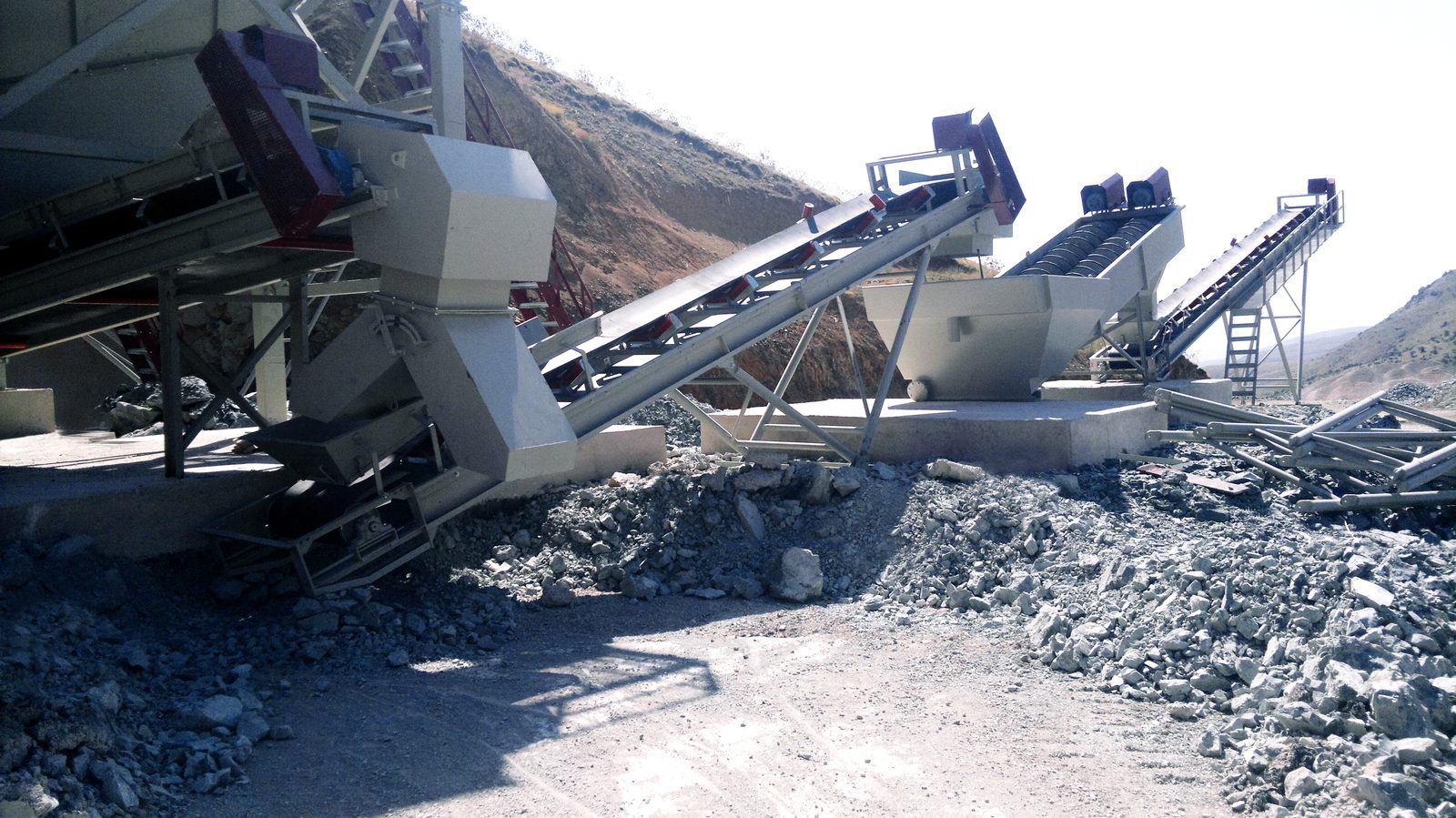
Guides and industry organisations for sand and aggregate producers.
A washing plant removes clay, silt, dust and light contaminants from sand, gravel and crushed stone so they meet concrete, asphalt or industrial specifications. Depending on the material it combines scrubbing (log washers), rinsing screens, sand washing and dewatering (screw classifiers), fine sand recovery (hydrocyclone sand washing plants) and, where needed, classification to tight gradations.
Start from the problem. Clay stuck to gravel needs scrubbing in a log washer, blade mill or coarse material washer. Silt and clay in sand are washed out and the sand dewatered in a screw classifier. If valuable fine sand is being lost or the product must be very dry, a hydrocyclone sand washing plant recovers and dewaters it. If the sand is out of specification or several sands are needed, a sand classifier is added.
A screw classifier washes, classifies and dewaters sand by gravity in a pool with a slow-turning spiral; some of the finest sand leaves with the overflow. A sand washing plant uses hydrocyclones to recover fine sand and a high-frequency dewatering screen to produce a drier product. Many plants use both, with the sand washing plant recovering fine sand from the classifier overflow.
You need a log washer, blade mill or coarse material washer when clay, conglomerates or sticky material cling to the stone and rinsing sprays cannot remove them. These machines scrub the material in water before it reaches the rinsing screen.
Screw classifiers cover 22 to 725 t/h (HY 30–160 t/h, GFW 22–725 t/h), sand washing plants 100 to 300 t/h (GSP-1 to GSP-4), log washers 25 to 175 t/h, blade mills 120 to 600 t/h, coarse material washers 135 to 450 t/h, and HYDROSAND classifying units 80 to over 500 t/h.
Water demand depends on the machines, the tonnage and the amount of clay and silt. GELEN publishes water figures per model — for example about 68 to 171 m³/h for log washers, 164 to 993 m³/h for GFW fine material washers, and 300 to 750 m³/h of slurry feed for GSP sand washing plants — so the water supply, ponds and recycling can be designed with the plant.
Yes. GELEN manufactures the feeders, crushers, screens, conveyors and washing equipment of a sand and aggregate plant and designs them as one system, so capacities, water circuits and layouts are matched from the start.
A screw classifier keeps sand coarser than about 0.15 mm (100 mesh) and sends finer particles out with the overflow water, which suits most concrete and asphalt sands. A sand washing plant cuts with hydrocyclones at about 0.063–0.075 mm (200 mesh), so it recovers the fine sand a screw classifier loses and dewaters it on a screen. Many plants run both: the screw classifier for the main sand and a sand washing plant on its overflow.
Specifications limit the material finer than 0.075 mm. ASTM C33, for example, allows at most 3% for concrete subject to abrasion and 5% for other concrete; in Europe EN 12620 defines fines categories and each country sets its limits. Washing removes the silt and clay in that fraction, and a sand classifier corrects the gradation when the sand is outside its limits.
Send your material, your capacity and the product sizes you need. An engineer answers, not a form.