Aggregate Sizing
Standard EN 0/4, 4/8, 8/16, and 16/32 mm fractions for road base, asphalt, and concrete. A 3-deck STE on crushed limestone delivers all four products in a single pass with sharp cut sizes and low oversize contamination.


The STE Series is a circular-motion inclined vibrating screen built to handle the coarsest scalping and the finest sizing in aggregate, mining, and recycling plants. Its eccentric shaft sits at the screen body's center of gravity, producing uniform circular throw across the entire deck. Stroke, inclination angle, and rotational speed are all adjustable, so operators can tune the screen for dry sizing, wet washing, or rinsing duty without changing the machine.
1,000+ Inclined Vibrating Screens delivered worldwide.
Center-of-gravity exciter: Single shaft mounted at the screen body's centroid delivers uniform circular throw across the full deck length.
Three-axis tuning: Stroke, RPM, and inclination angle are all adjustable so the same machine can scalp coarse feed or finish fine sizing.
Wet or dry duty: Pre-drilled spray bar mounts and drainage-friendly frames switch the STE between dry sizing and wet washing without retrofitting.
2 to 4 deck range: Configurations from STE1020 to STE2470 cover tonnages from 30 t/h up to 800+ t/h on standard aggregate.
The STE Series turns a simple circular-motion principle into a high-throughput screening machine. Gravity does the work of moving material down the deck while the exciter creates the stratification that lets fines fall through.
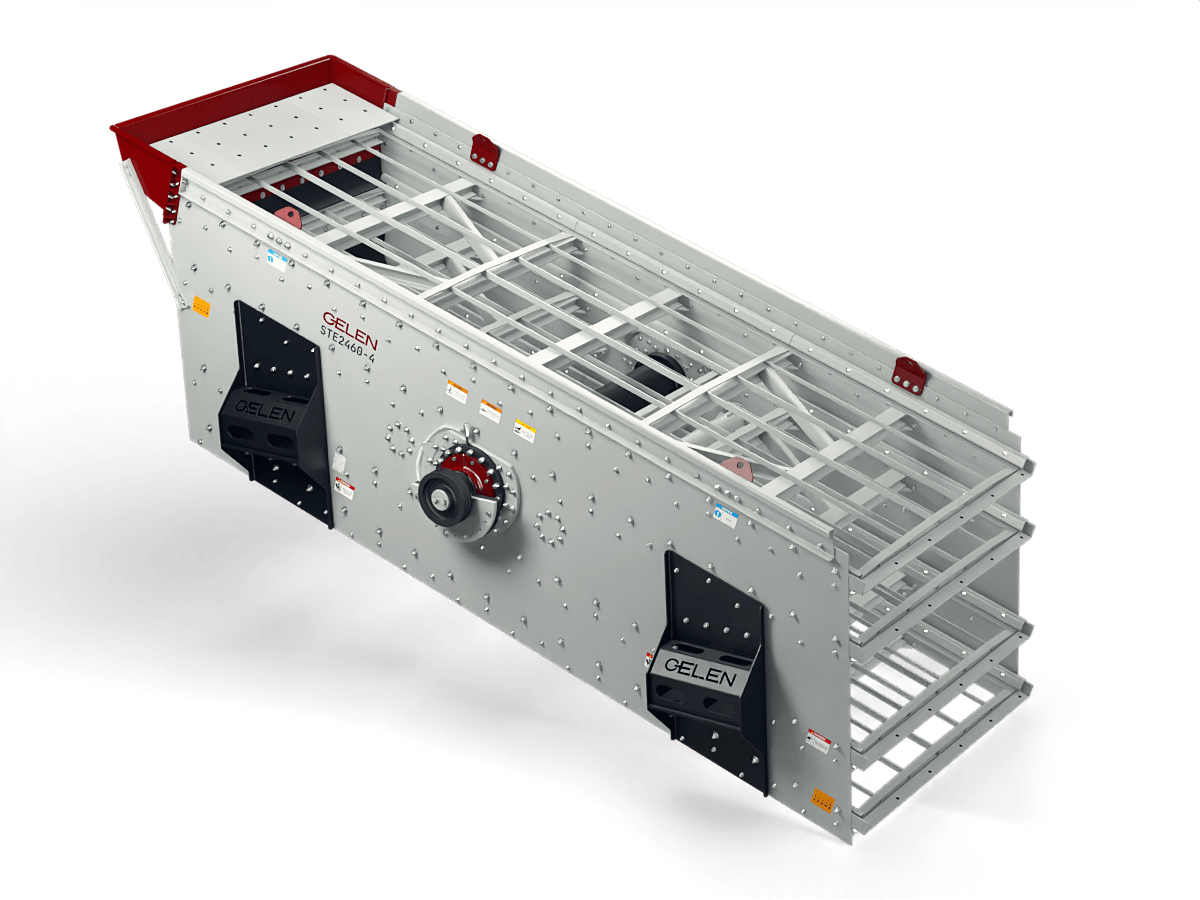
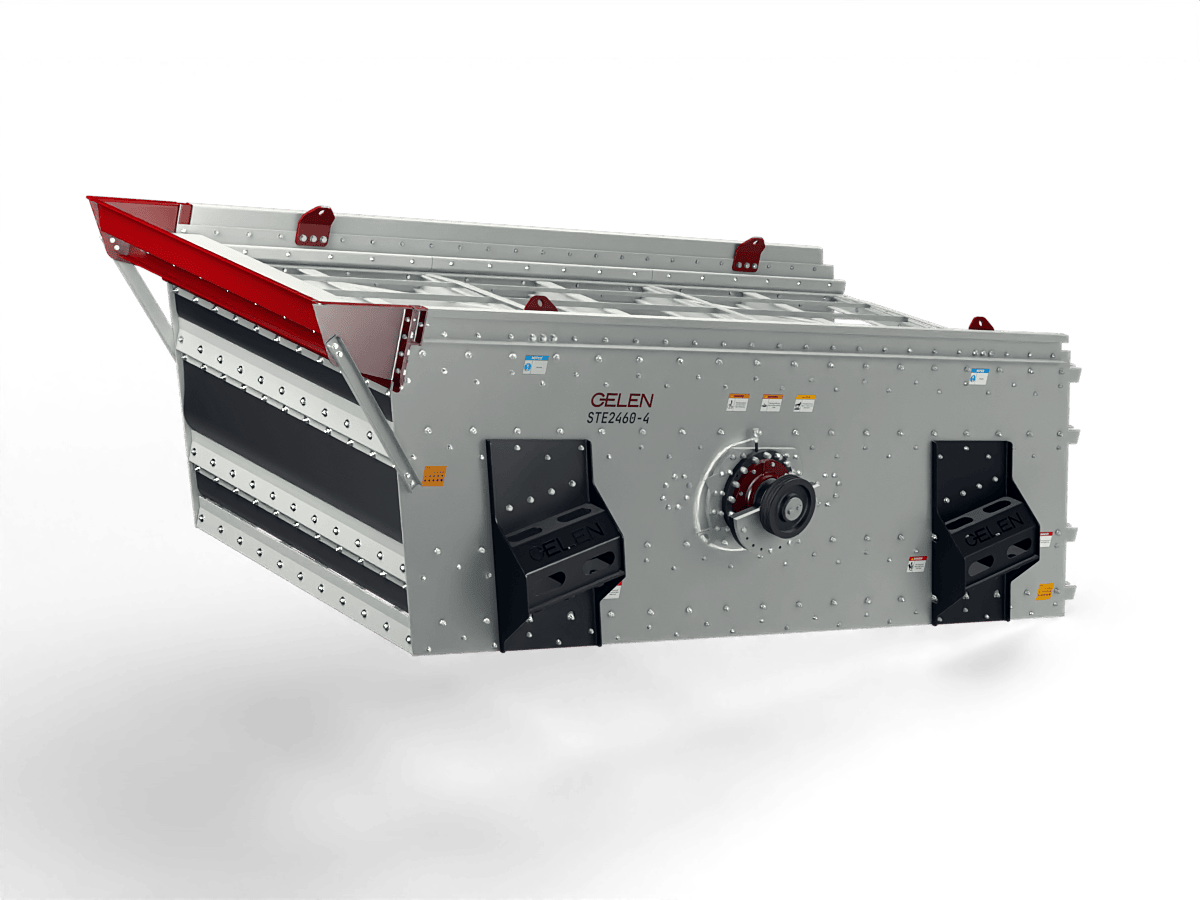
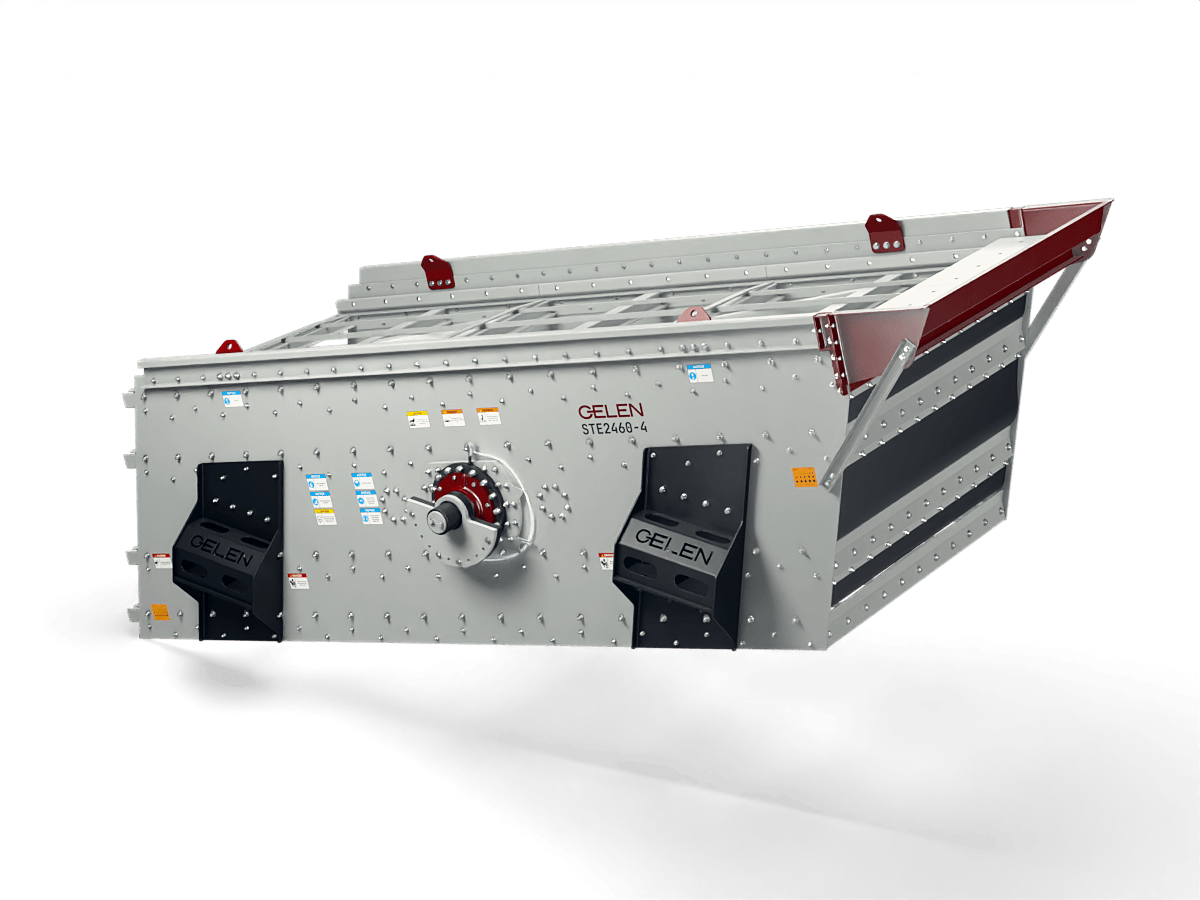
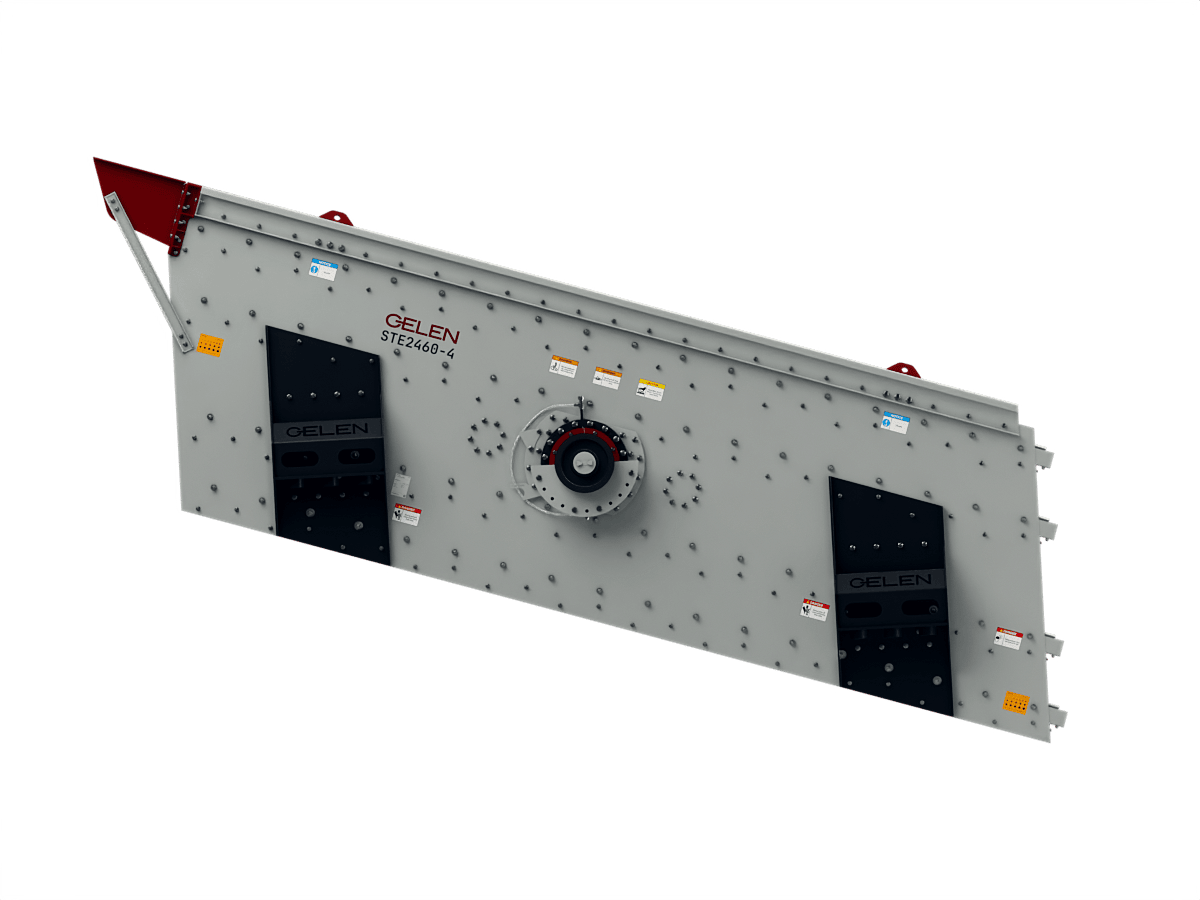
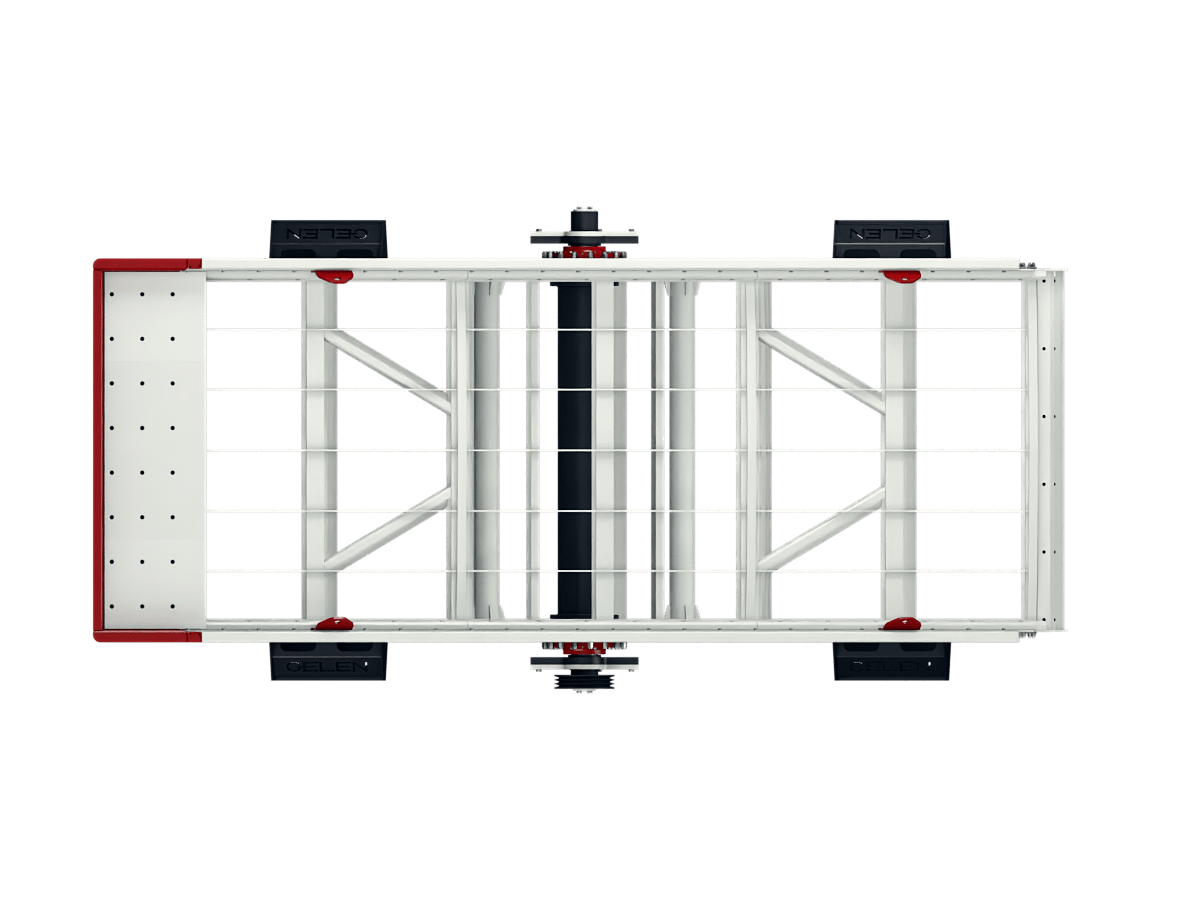
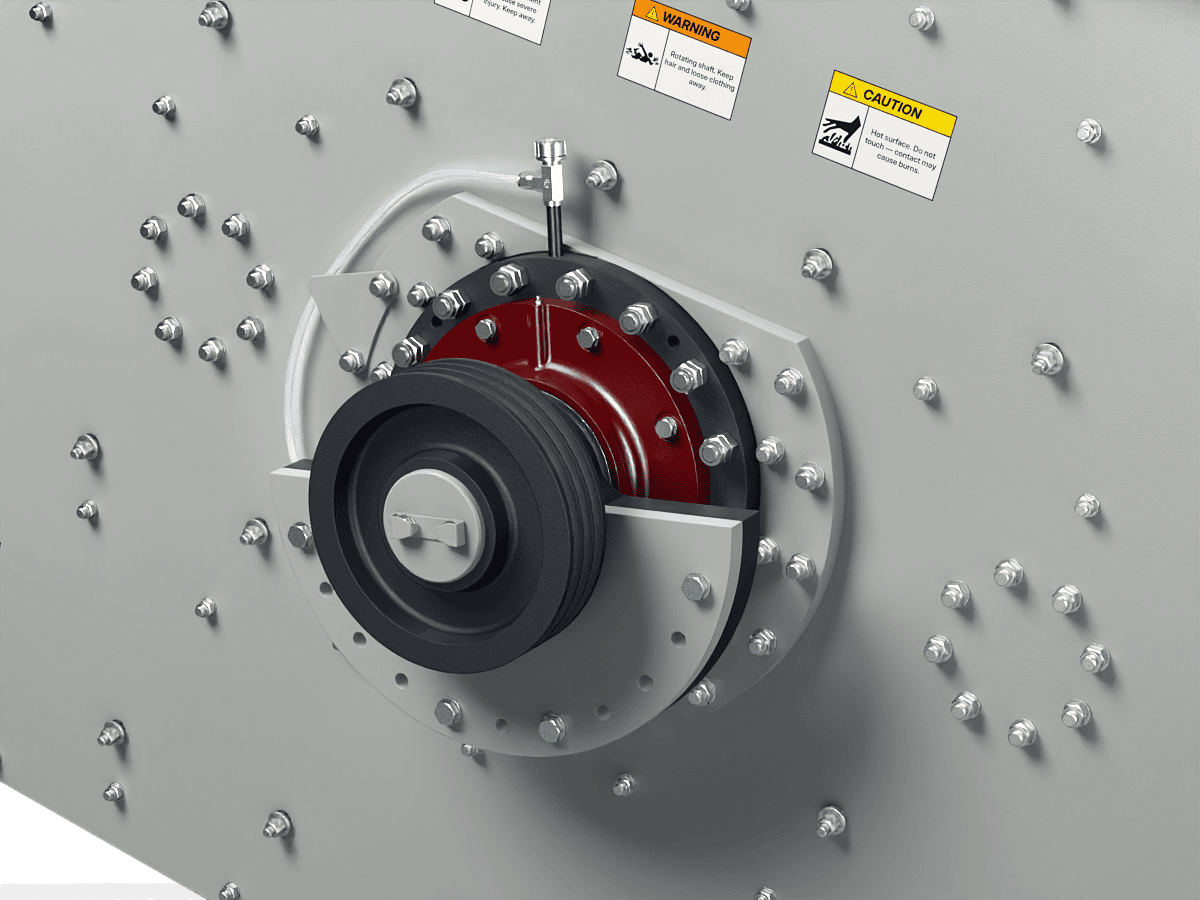
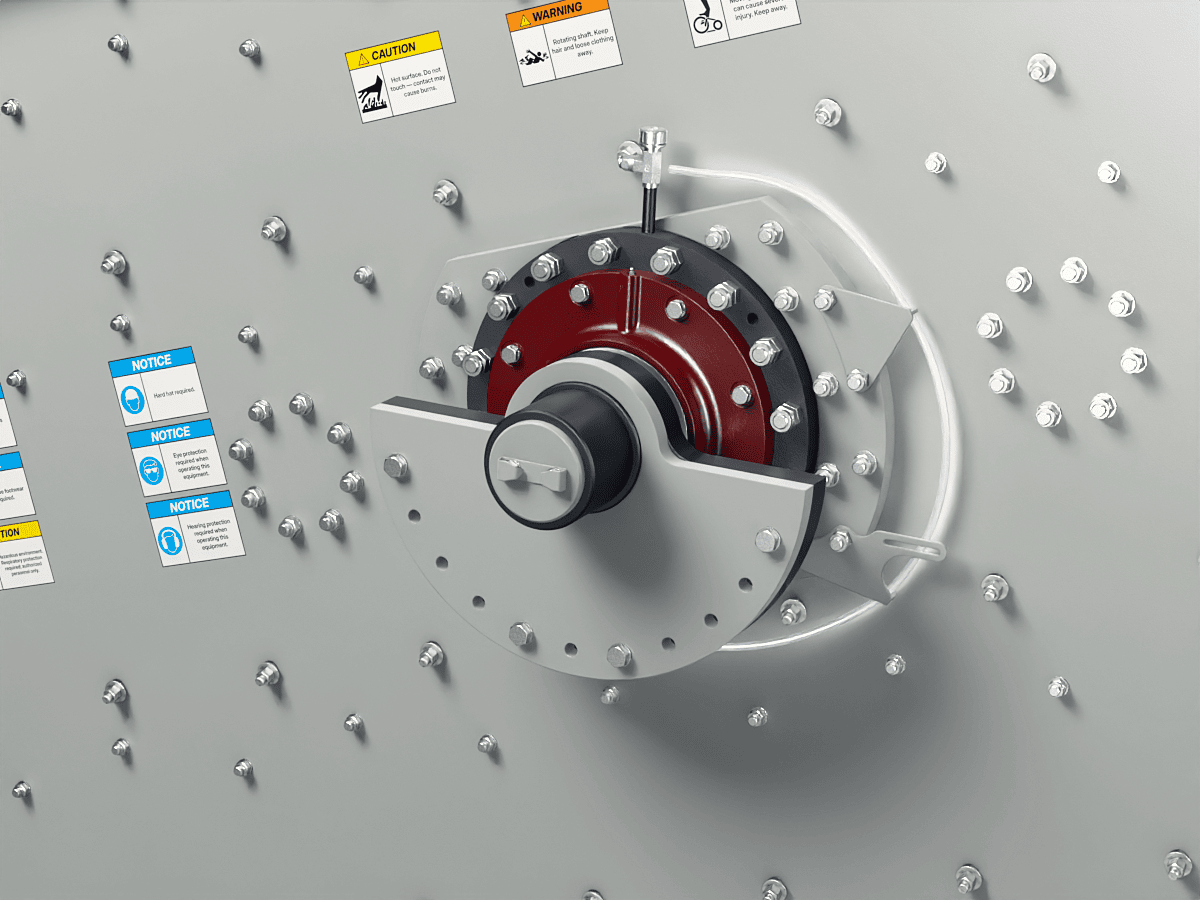
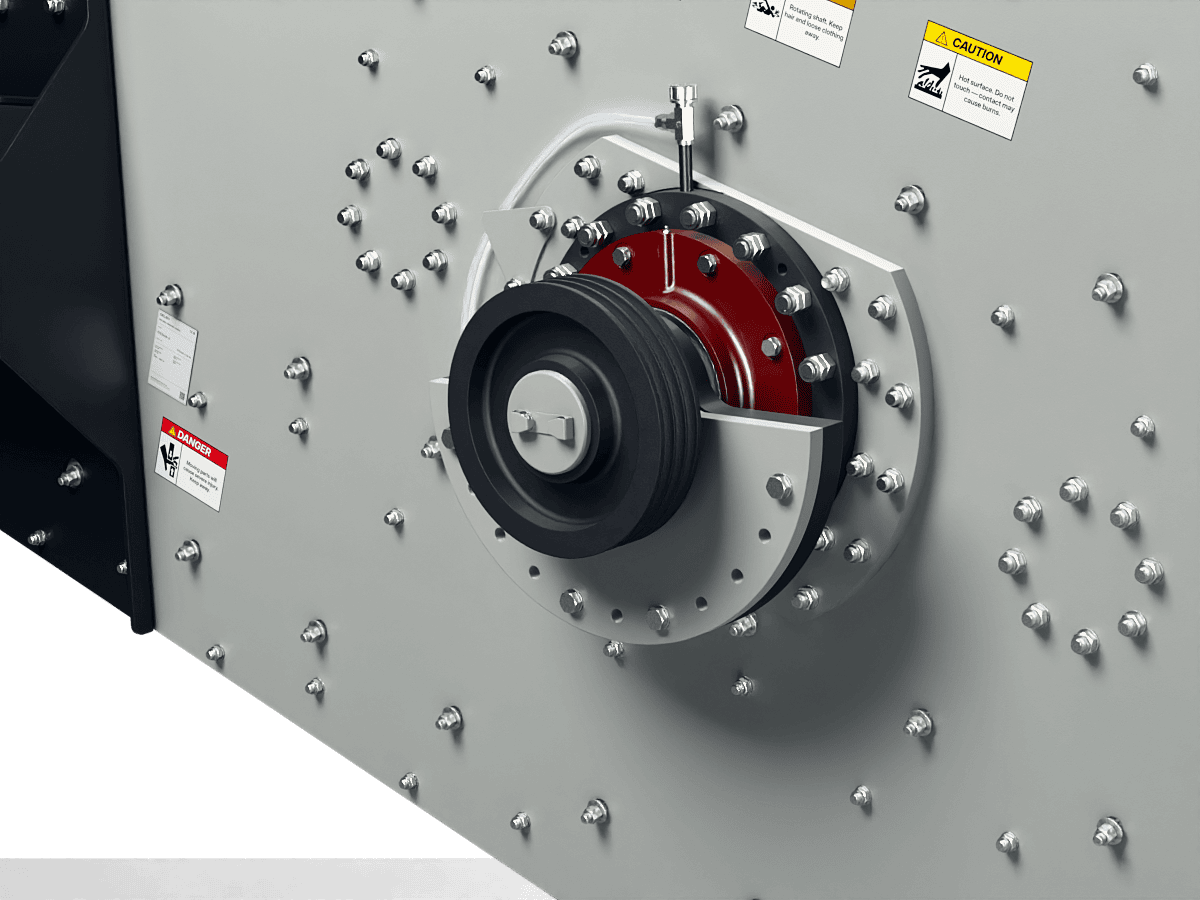
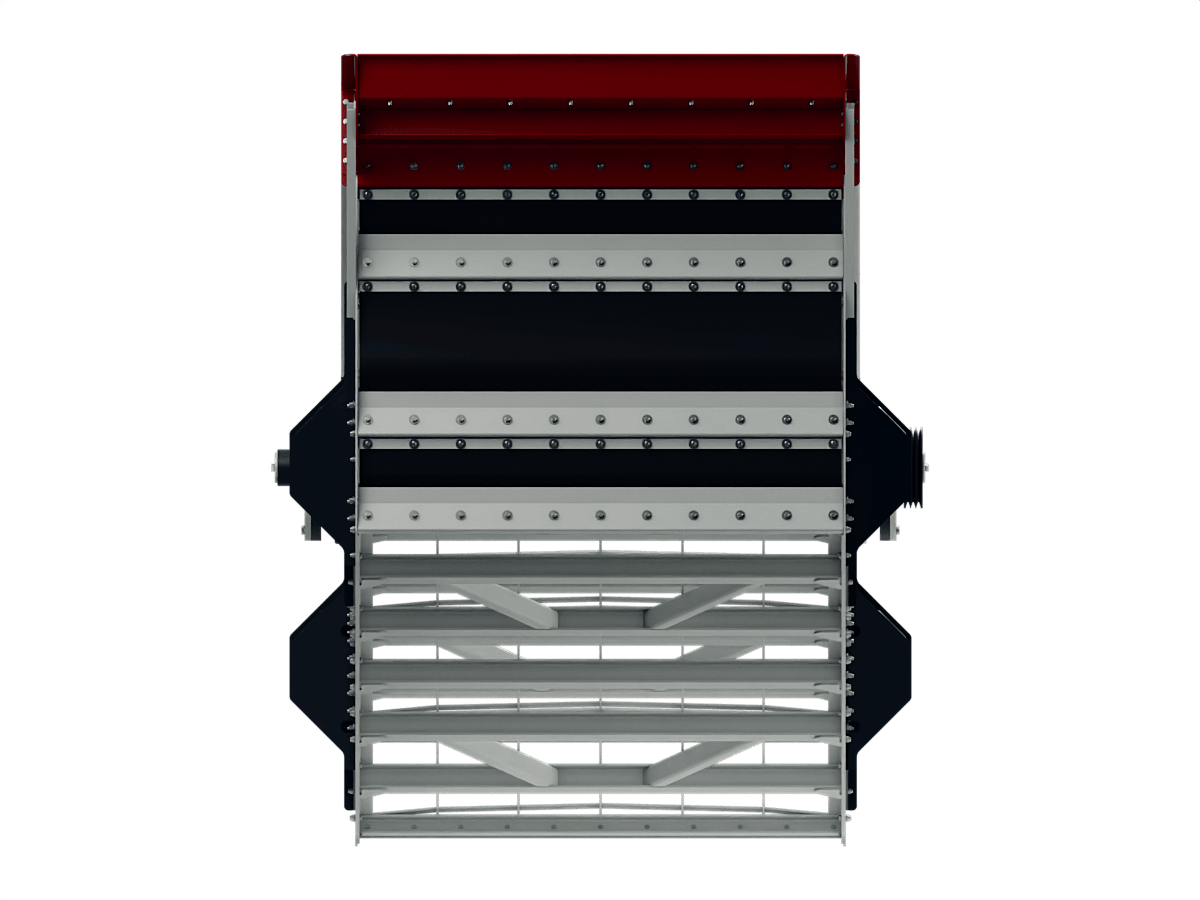
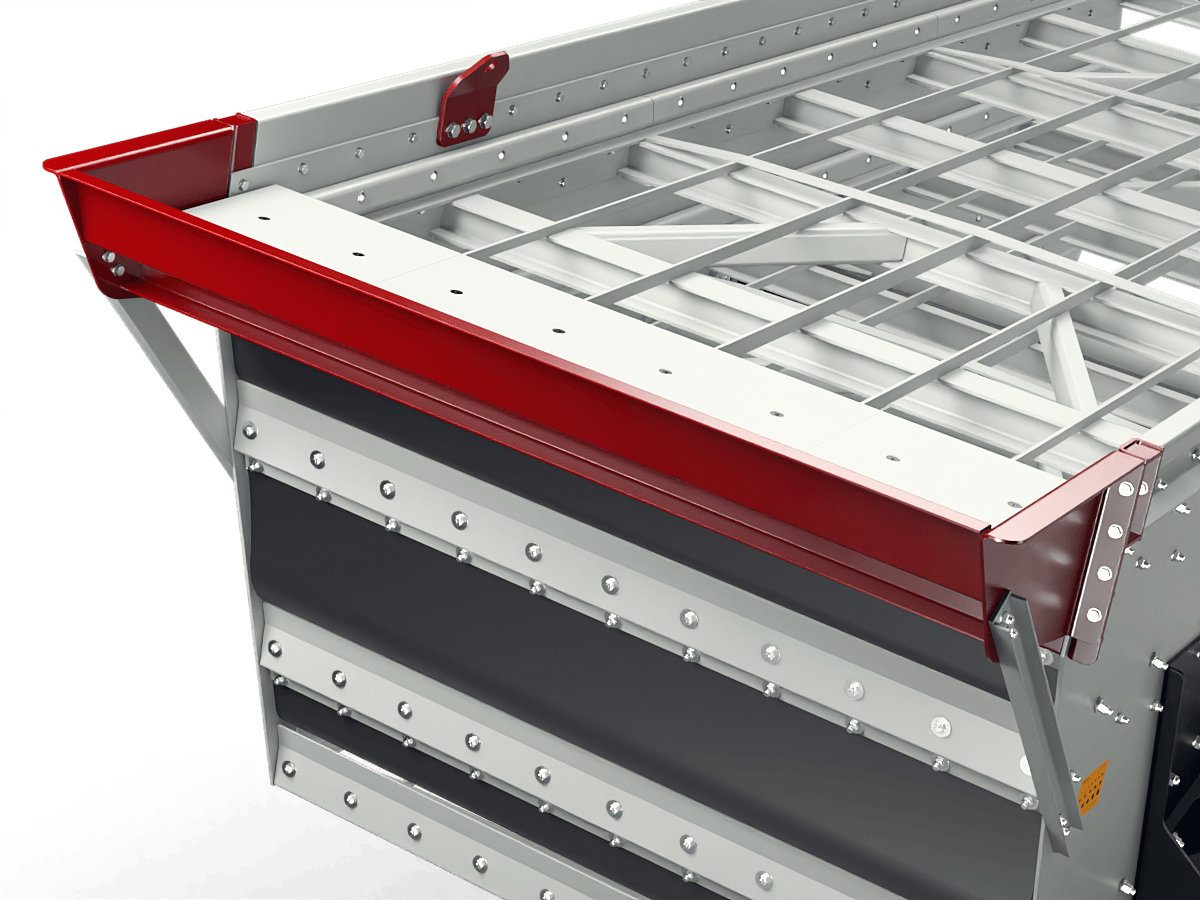
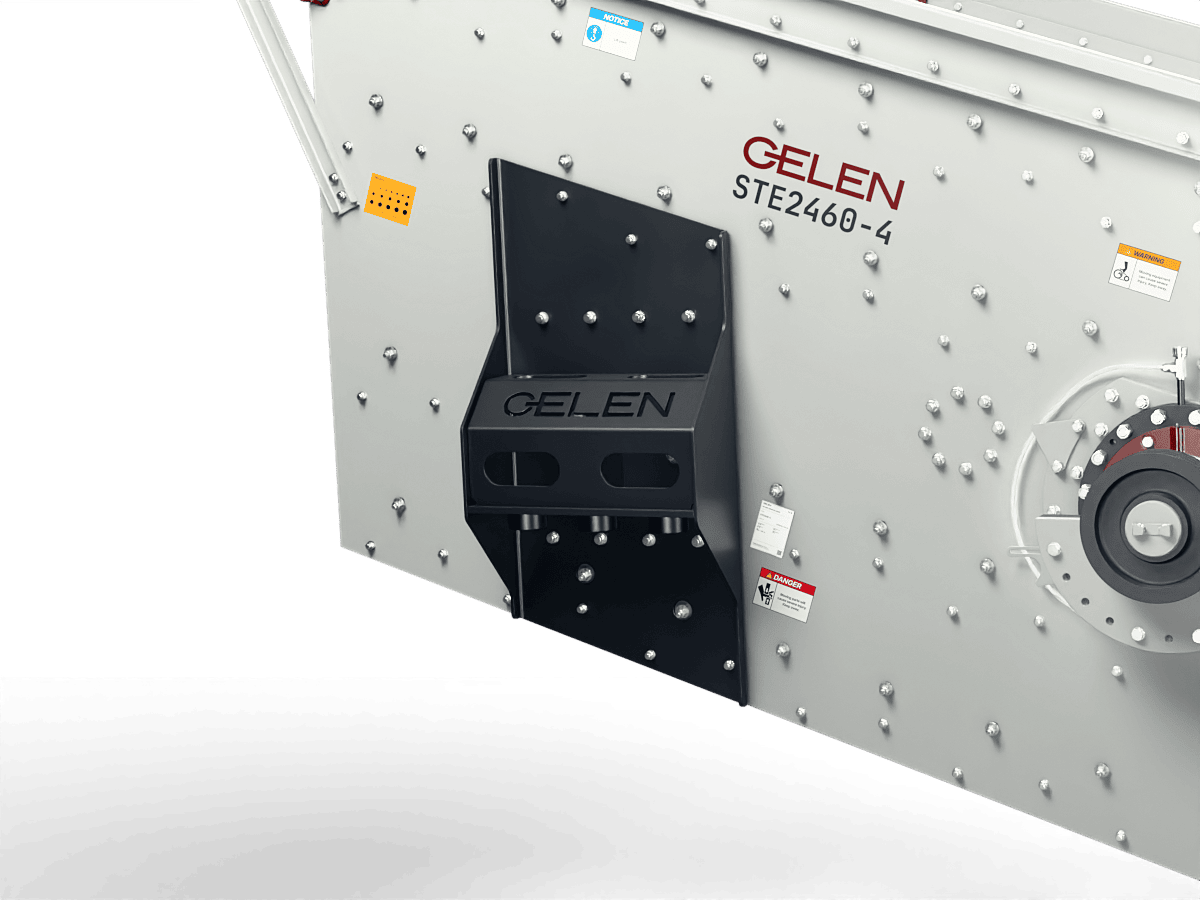
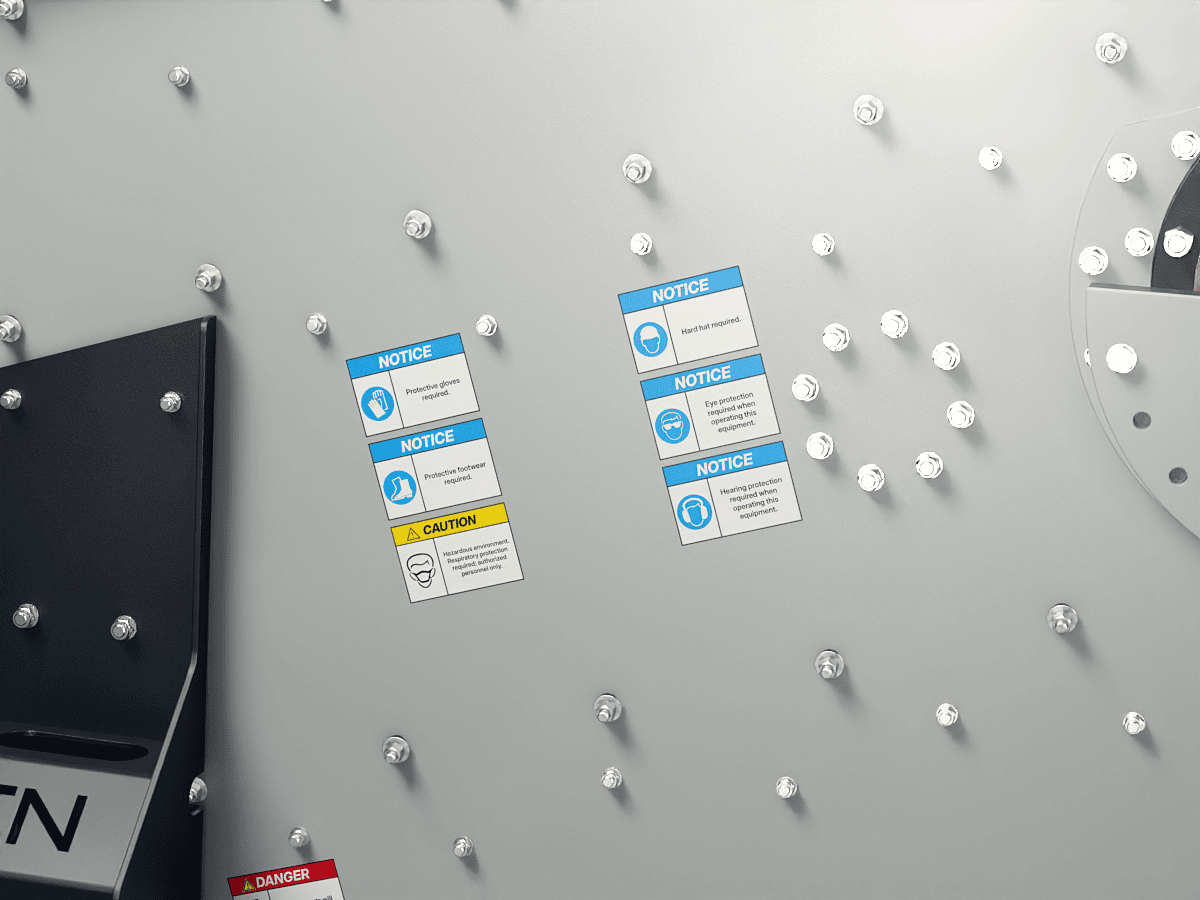
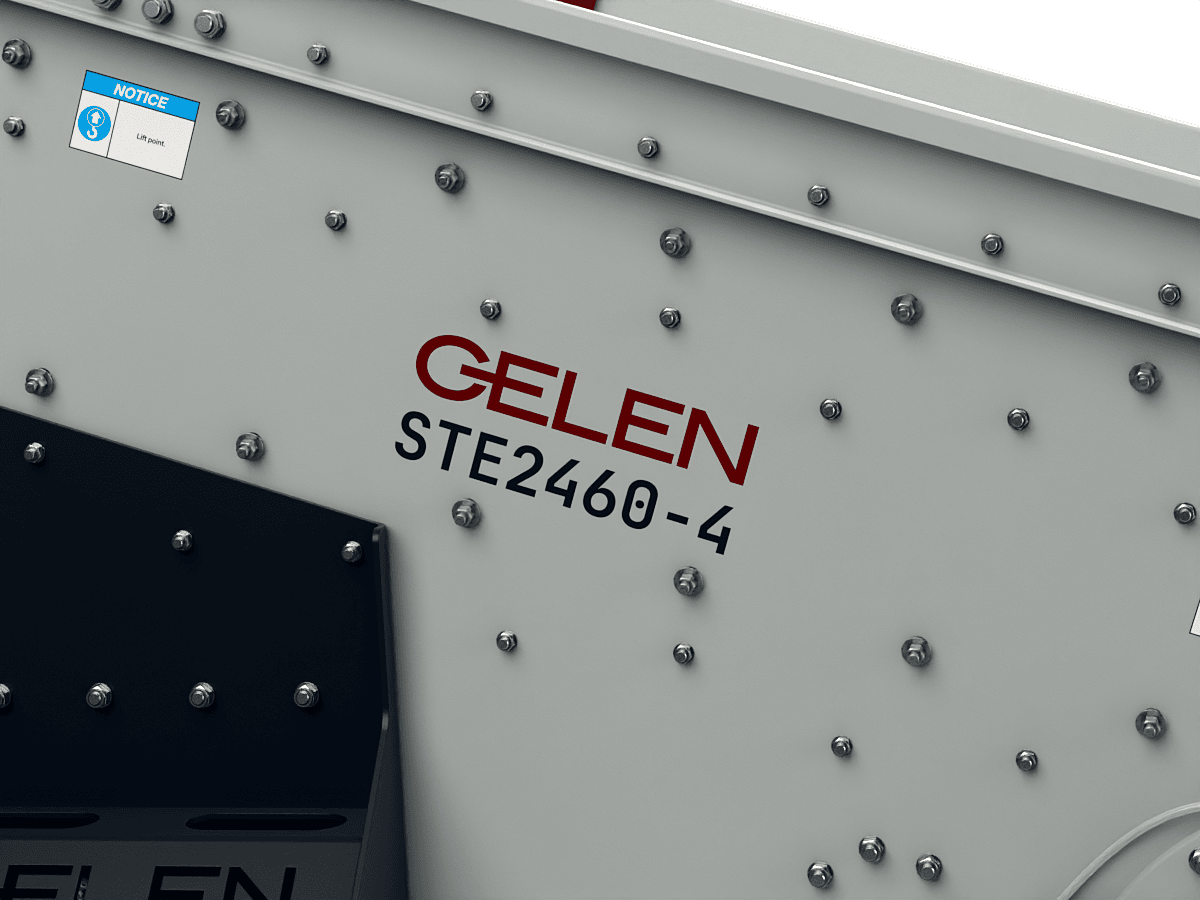
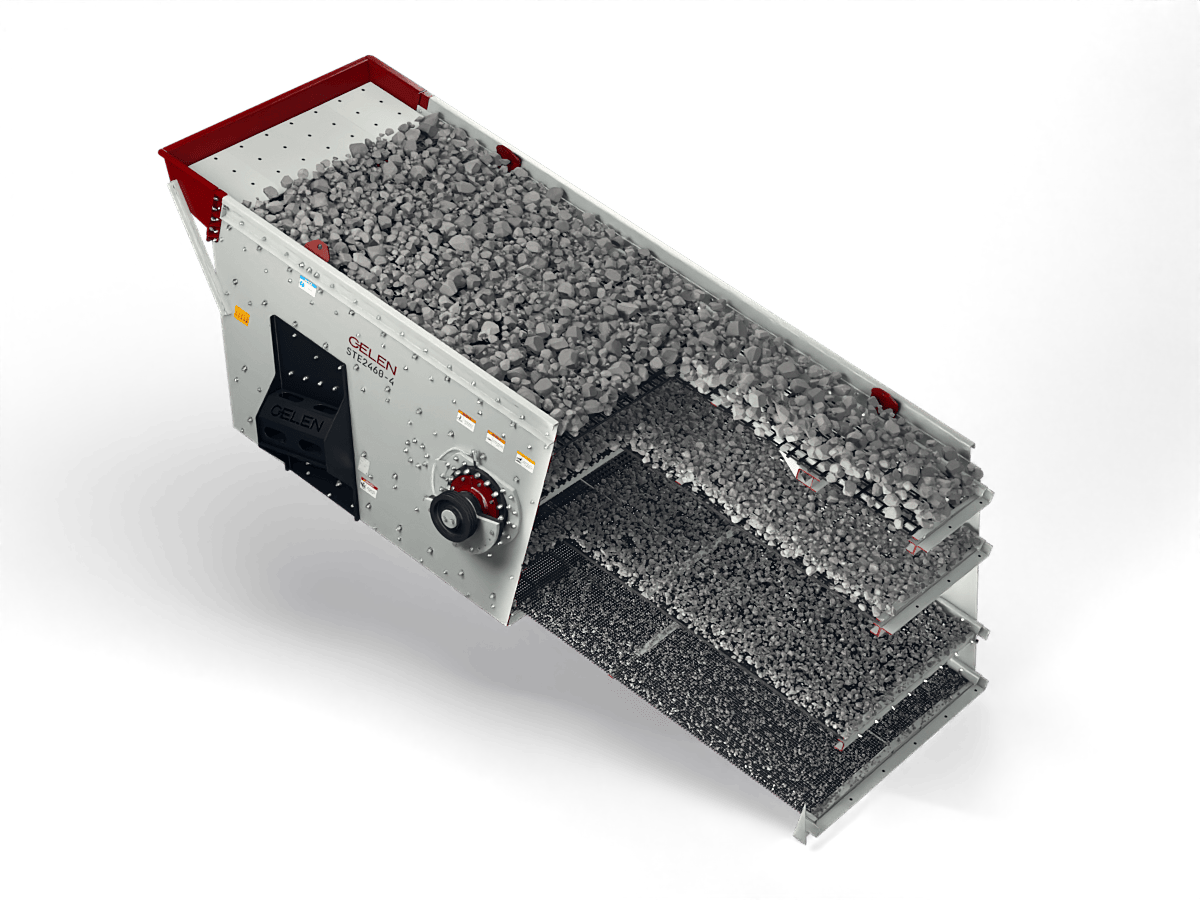
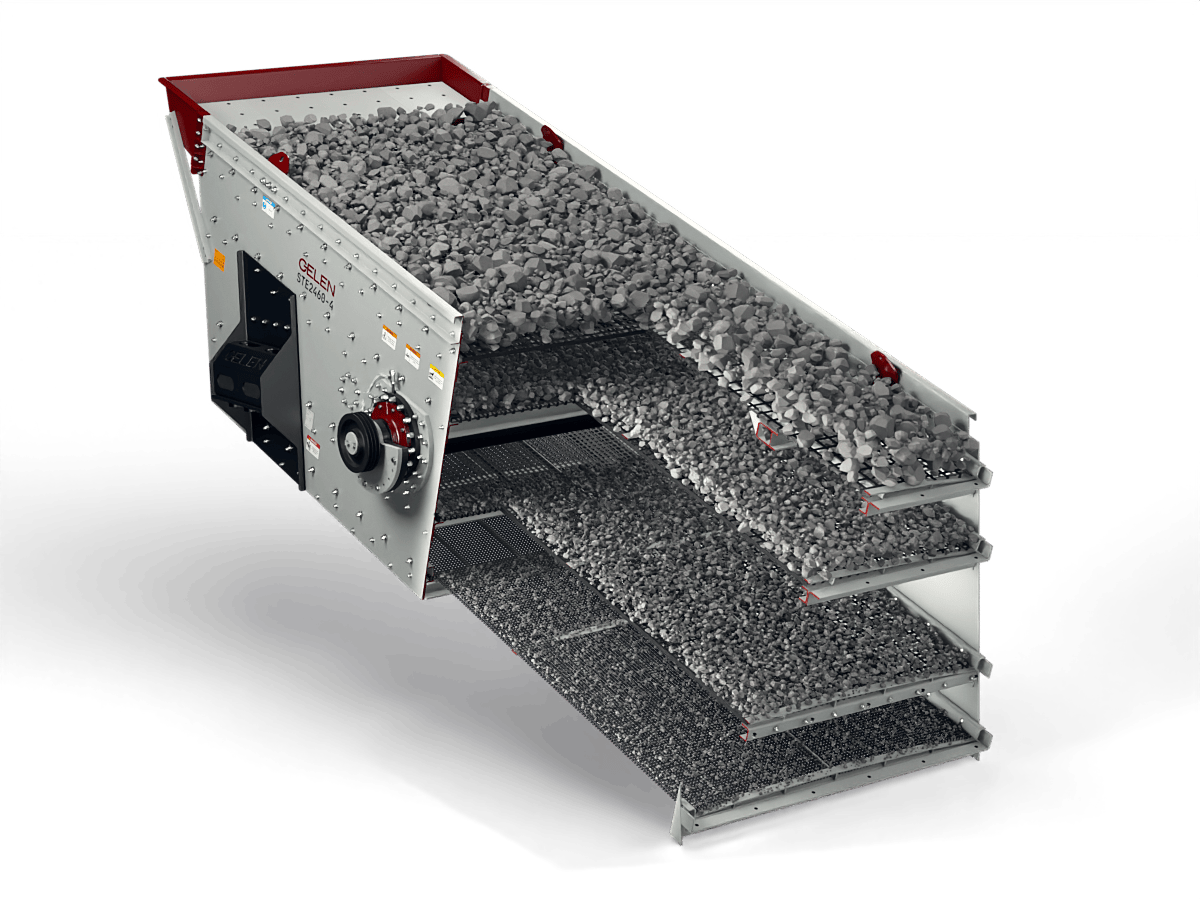
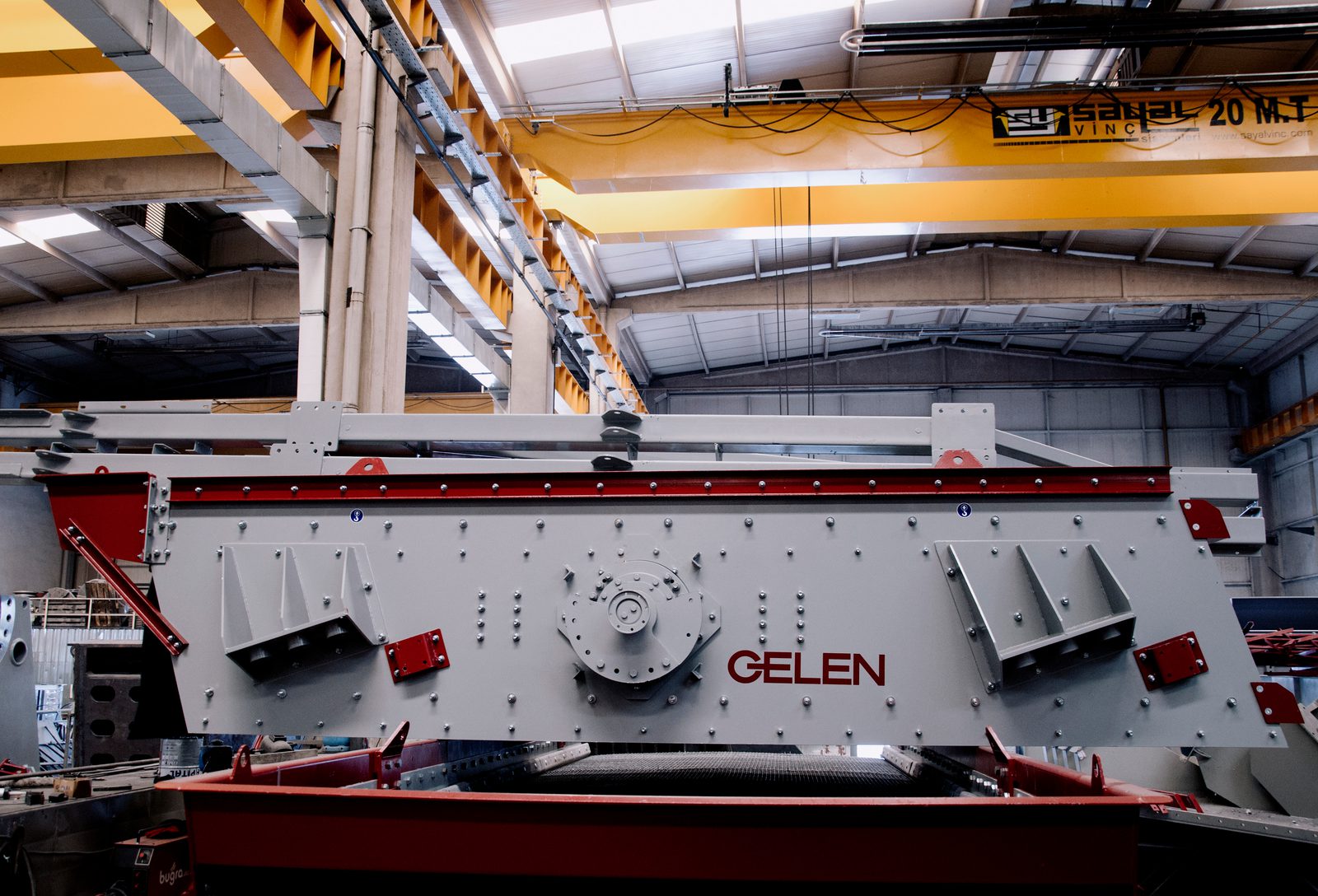
Two STE bodies under assembly. The side plate tells you most of what you need to know about how a screen is built.
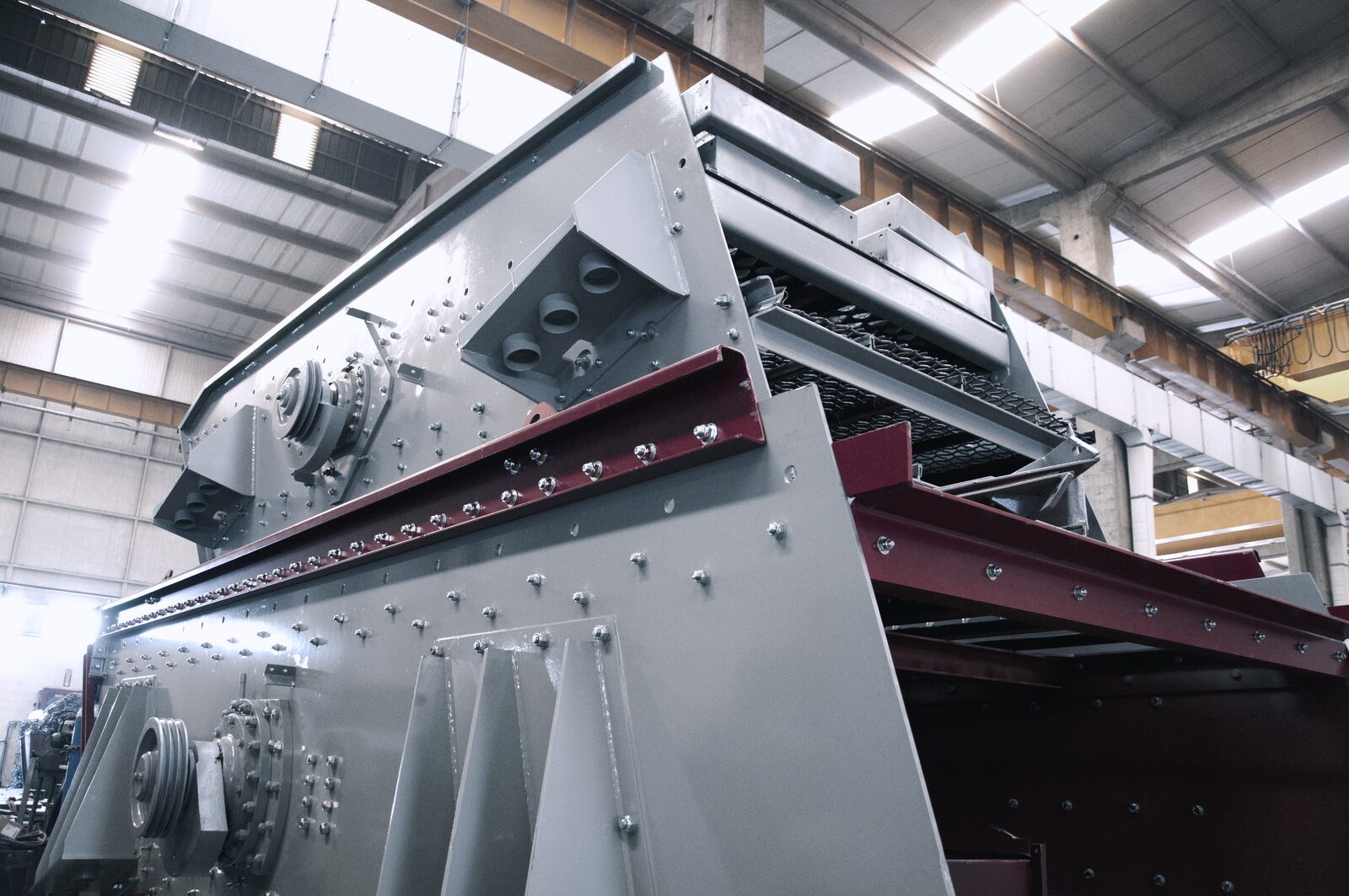
Not welded. Swaged collars clamp the plate to the cross members, so the joint cannot fatigue and open the way a weld does under a few million cycles.
A single shaft with its counterweights gives the circular throw. One shaft, one motion, and nothing to fall out of phase.
Helical coil springs sit here, isolating the vibrating body from the structure. The brackets are the only hard connection between the two.
Woven wire, polyurethane or rubber panels, tensioned across the deck. Media choice is the single biggest lever on both throughput and wear cost.
| Main Dimensions mm | Weight kg | Power kW | ||||
|---|---|---|---|---|---|---|
| Width | Length | 2-Deck | 3-Deck | 4-Deck | ||
| STE2470 | 2400 | 7000 | 14,500 | - | - | 30 |
| STE2470 | 2400 | 7000 | - | 16,900 | 19,600 | 37 |
| STE2460 | 2400 | 6000 | 12,600 | - | - | 22 |
| STE2460 | 2400 | 6000 | - | 15,400 | 18,500 | 30 |
| STE2060 | 2000 | 6000 | 10,500 | - | - | 18.5 |
| STE2060 | 2000 | 6000 | - | 13,700 | 14,600 | 22 |
| STE2050 | 2000 | 5000 | 11,400 | - | - | 15 |
| STE2050 | 2000 | 5000 | - | 12,200 | 13,800 | 18.5 |
| STE1650 | 1600 | 5000 | 8,100 | 8,800 | 9,500 | 15 |
| STE1640 | 1600 | 4000 | 6,600 | 7,000 | - | 11 |
| STE1240 | 1200 | 4000 | 4,200 | 4,700 | 5,200 | 7.5 |
| STE1030 | 1000 | 3000 | 2,300 | 2,500 | - | 5.5 |
| STE1025 | 1000 | 2500 | 2100 | - | - | 4 |
| STE1020 | 1000 | 2000 | 1550 | - | - | 3 |
Every inclined screen is built to its duty. Tell us the cut, the moisture and the tonnage and we will size one.
Size one for meThe STE uses an eccentric shaft with counterweights mounted at the screen body's center of gravity. As the shaft rotates, typically between 800 and 950 RPM, the counterweights generate a centrifugal force that moves the screen body in a circular path. This circular throw lifts the material bed in three repeating phases: a lift phase that opens voids between particles, a forward phase where gravity and the deck angle move the bed toward the discharge end, and a settle phase where finer particles fall through the voids and pass the screen apertures. The combination of stroke amplitude, RPM, and inclination angle determines the G-force on the deck — for most aggregate work the target is 3 to 4 G.
Standard EN 0/4, 4/8, 8/16, and 16/32 mm fractions for road base, asphalt, and concrete. A 3-deck STE on crushed limestone delivers all four products in a single pass with sharp cut sizes and low oversize contamination.
Secondary and tertiary classification of iron ore, gold ore, copper, and coal. Polyurethane panels deliver 12 to 24 month wear life on abrasive feed — three to five times longer than woven wire on the same duty.
Separation of mixed construction debris, recycled concrete, and reclaimed asphalt. Rubber panels handle rebar, mesh, and contaminants without tearing, where wire mesh would fail in days.
Wet classification of river gravel and dredged material with spray bar configuration. Water at 2 to 4 bar drives clay and silt through to the underflow for clean, spec-compliant aggregate.
The STE Series inclined vibrating screen is the workhorse of GELEN's screening line — proven in aggregate quarries, mining operations, recycling plants, and sand and gravel washing across more than 50 countries.

Standard EN 0/4, 4/8, 8/16 and 16/32 mm fractions for road base, asphalt, and concrete aggregate. A 3-deck STE2060 on crushed limestone delivers all four products in a single pass with sharp cut sizes and less than 5% oversize contamination. Adjustable inclination angle and stroke amplitude let operators dial in throughput and accuracy without changing screen media. Read the full inclined screen applications guide for more sizing examples.

Secondary and tertiary classification of iron ore, gold, copper, and coal. Polyurethane panels deliver 12 to 24 month wear life on abrasive feed — three to five times longer than woven wire mesh on the same duty. The STE handles continuous 24/7 operation with high G-force and adjustable stroke for the toughest classification screens in the circuit. See the screen media selection guide for media-vs-material recommendations.

Separation of mixed construction debris, recycled concrete and reclaimed asphalt. Rubber panels handle rebar, mesh and contaminants without tearing — where wire mesh would fail in days. The STE pairs with primary jaw crushers and HSI impact crushers in mobile and stationary recycling plants. Compare the inclined STE against horizontal and banana designs in our screen type comparison guide.
Six specific reasons the STE Series inclined vibrating screen is the standard choice in GELEN crushing and screening plants.
The single eccentric shaft is positioned at the screen body's centroid, producing a perfectly uniform circular throw at every point on the deck. Even vibration means even stratification, even media wear, and longer bearing life compared to off-centre designs that overload one end of the screen.
Stroke amplitude, shaft RPM, and inclination angle are all adjustable in the field — without structural modification. Operators can move the same machine from coarse scalping to tight tertiary sizing simply by re-setting the three parameters. Most plants run 6–10 mm stroke at 850–950 RPM and 18–22°.
Pre-drilled spray bar mounts and drainage-friendly cross members let the same STE switch between dry sizing and wet washing in one or two days. The conversion accepts spray water at 2–4 bar pressure with PU or rubber panels — no frame modifications required, no second machine to buy.
Configurations from STE1020 (1000 mm × 2000 mm) up to STE2470 (2400 mm × 7000 mm) cover tonnages from 30 t/h up to 800+ t/h on standard aggregate. Need three products? 2-deck. Four products? 3-deck. Five products? 4-deck. The deck count tracks the number of fractions you need, minus one.
Side plates are high-tensile steel, assembled with high-strength bolted connections rather than welded joints. Bolted frames resist the fatigue cracks that plague welded screen bodies after 5,000–10,000 hours of vibration. Liner sets, springs and bearings can all be changed without cutting and re-welding.
Wire mesh, polyurethane and rubber panels all mount on the same frame using the same hook strip system. Mix media types between decks: rubber on the impact deck for top-deck protection, fine wire on the bottom deck for sharp cuts. Read the media selection guide for recommendations by material.
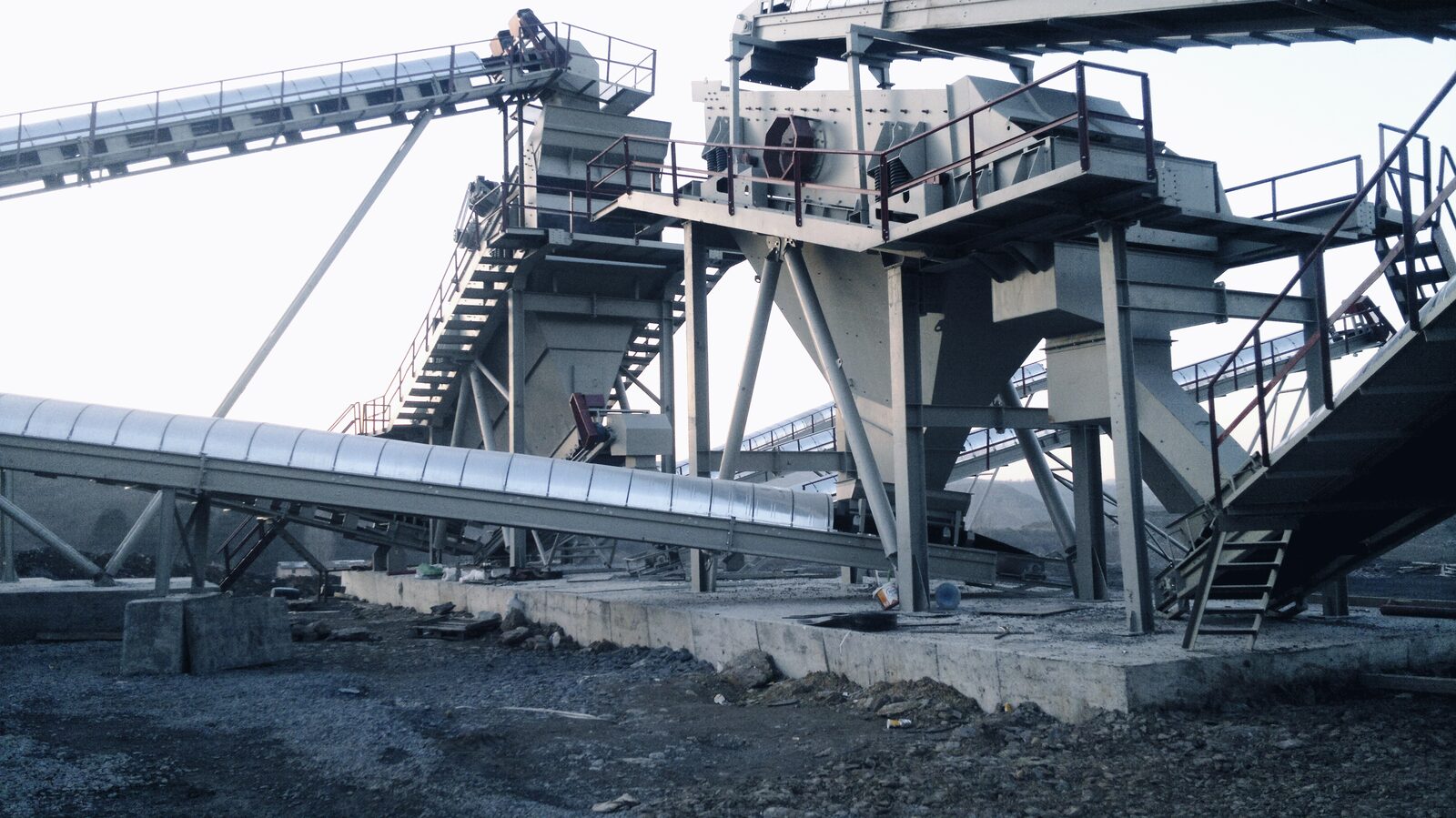
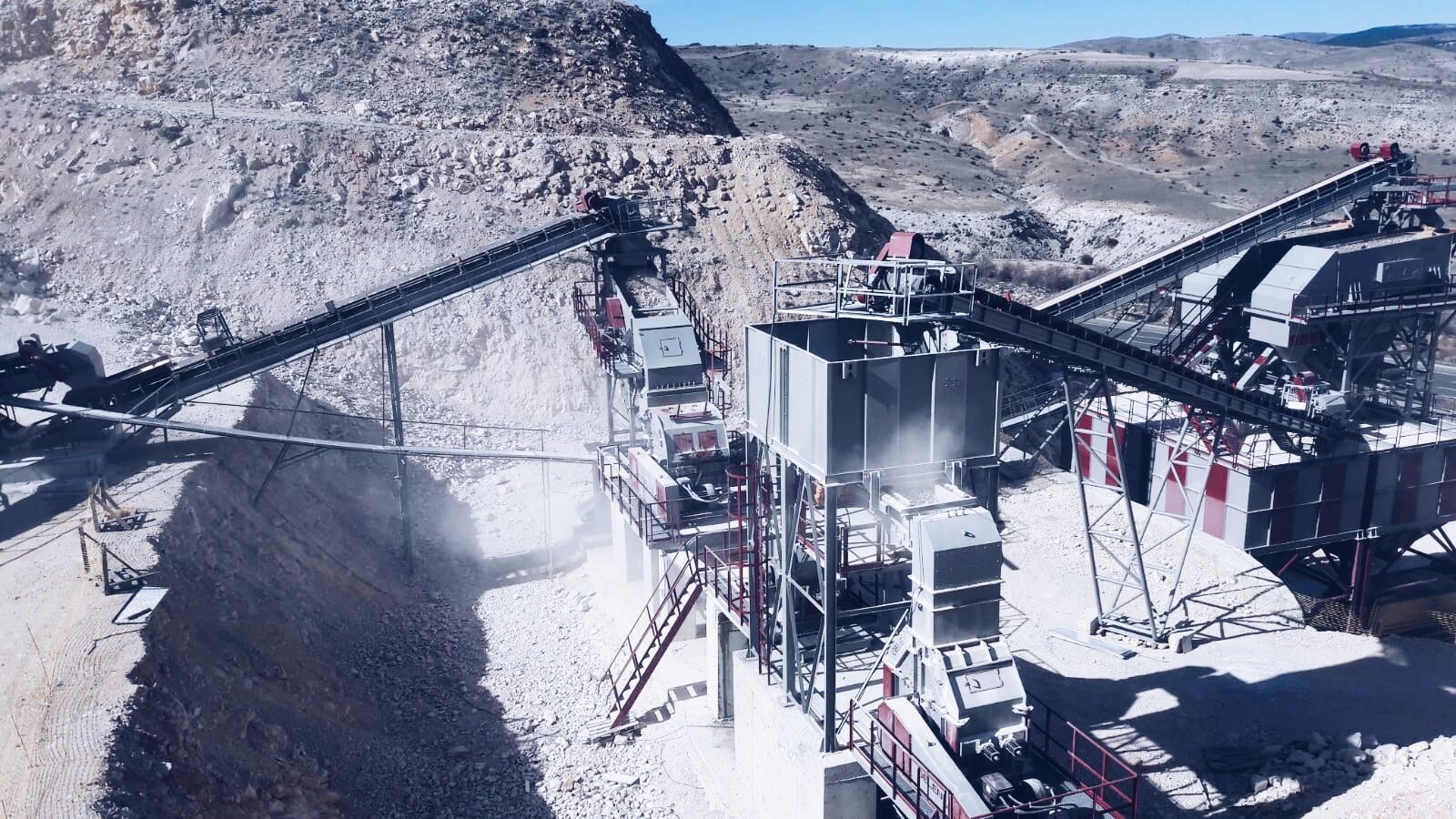
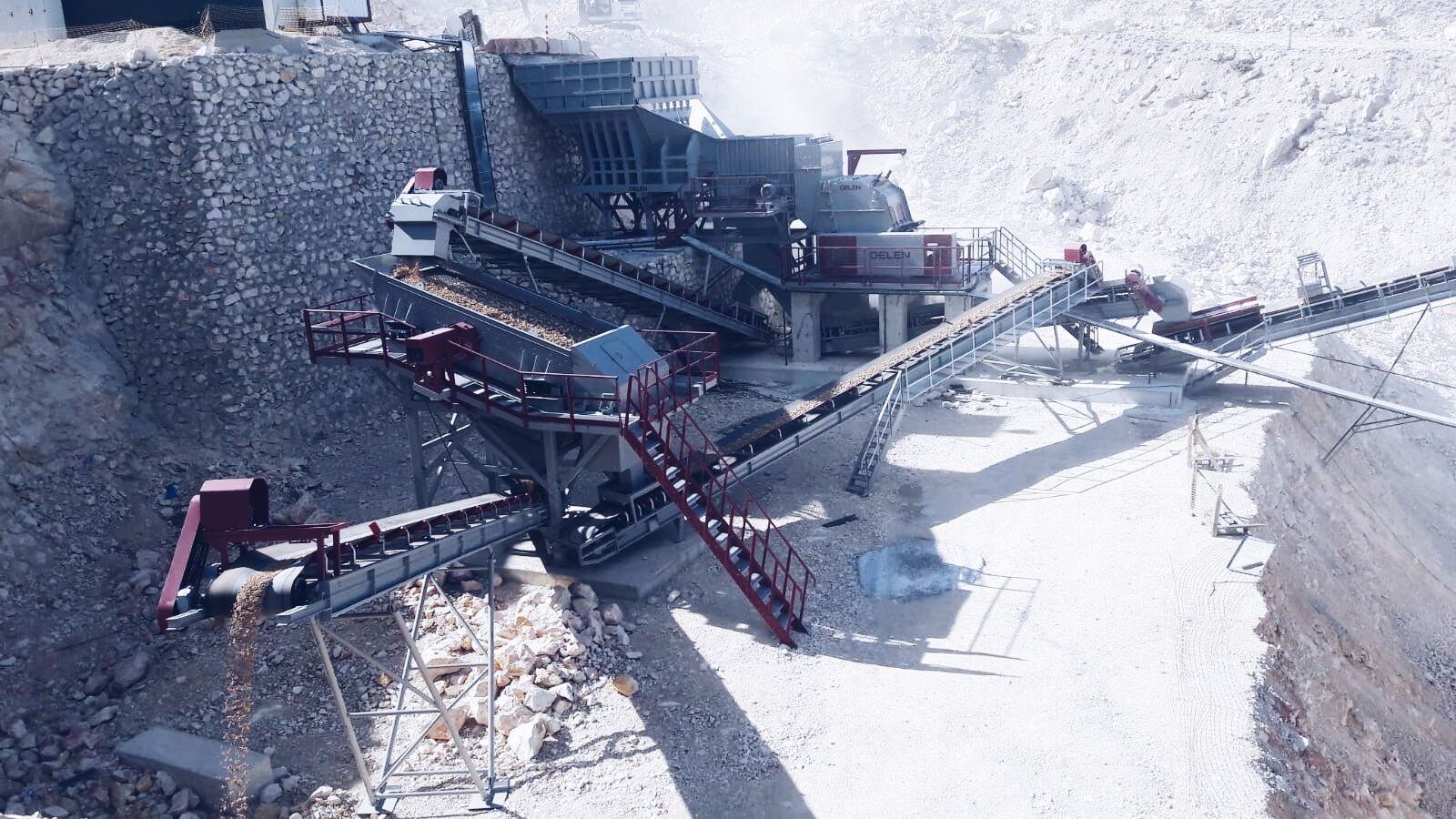
The STE inclined vibrating screen integrates at multiple points in a crushing and screening plant:
Every circuit is different. Send us yours and we will say where an inclined screen fits and what it changes downstream.
Check my circuitFor most standard aggregate and mining screening below 500 t/h, an inclined screen is the right choice. Choose the ETE Series horizontal screen instead when feed is wet, sticky, or clay-contaminated, when precision sizing below 10 mm is required, or when plant headroom is severely limited.
| FEATURE | STE INCLINED | ETE HORIZONTAL |
|---|---|---|
| Drive mechanism | Single-shaft circular | Triple-shaft elliptical |
| Throughput capacity | Highest (gravity + throw) | Moderate to high |
| Sizing accuracy <10 mm | Good | Excellent |
| Sticky / wet feed | Good with wet kit | Excellent |
| Headroom required | High (15–25° pitch) | Low profile |
| CAPEX & maintenance | Lowest | Moderate |
Not sure which one? Send us the duty and an engineer will say which, and what you would give up by choosing the other.
Which one fits?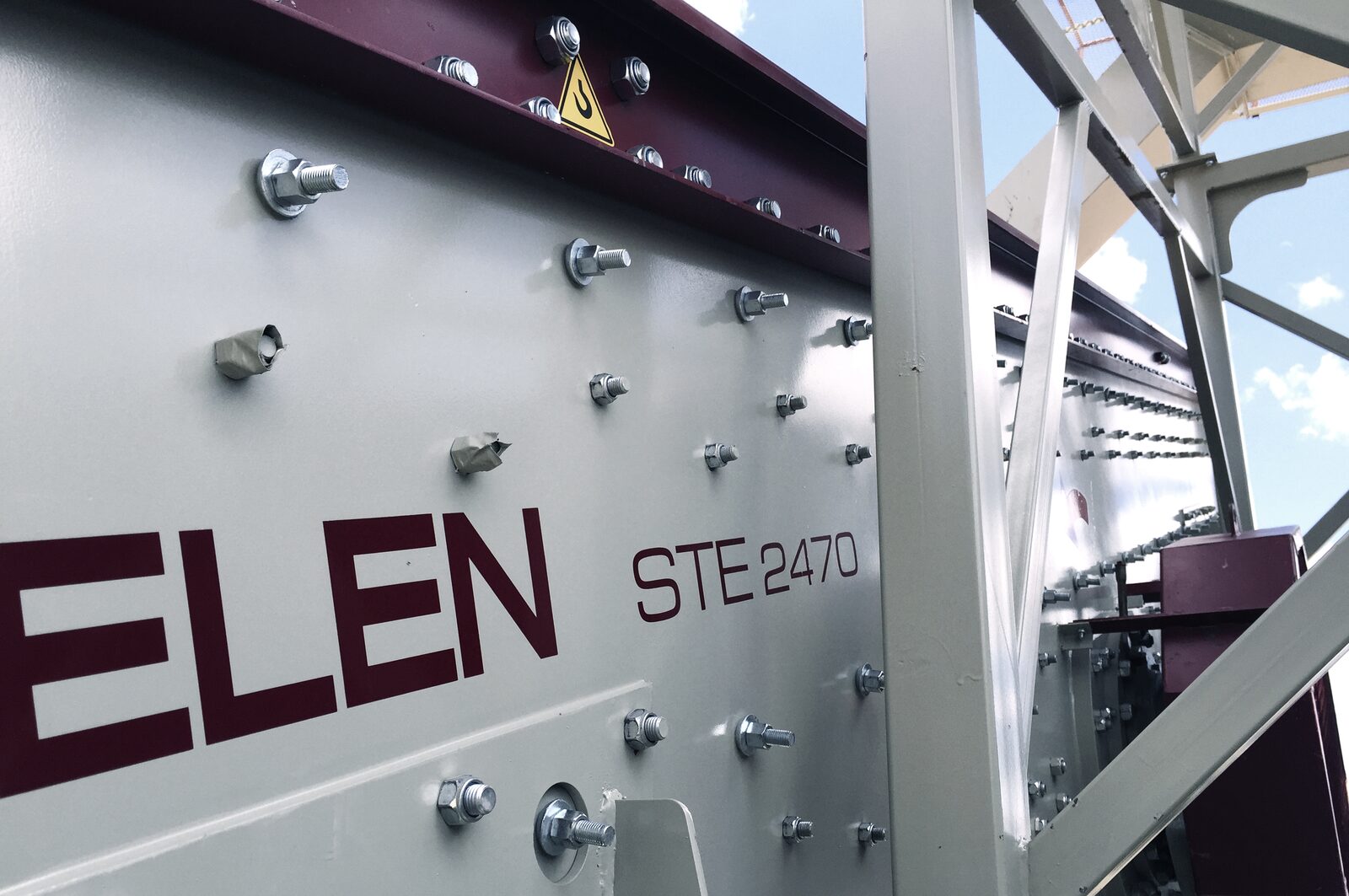
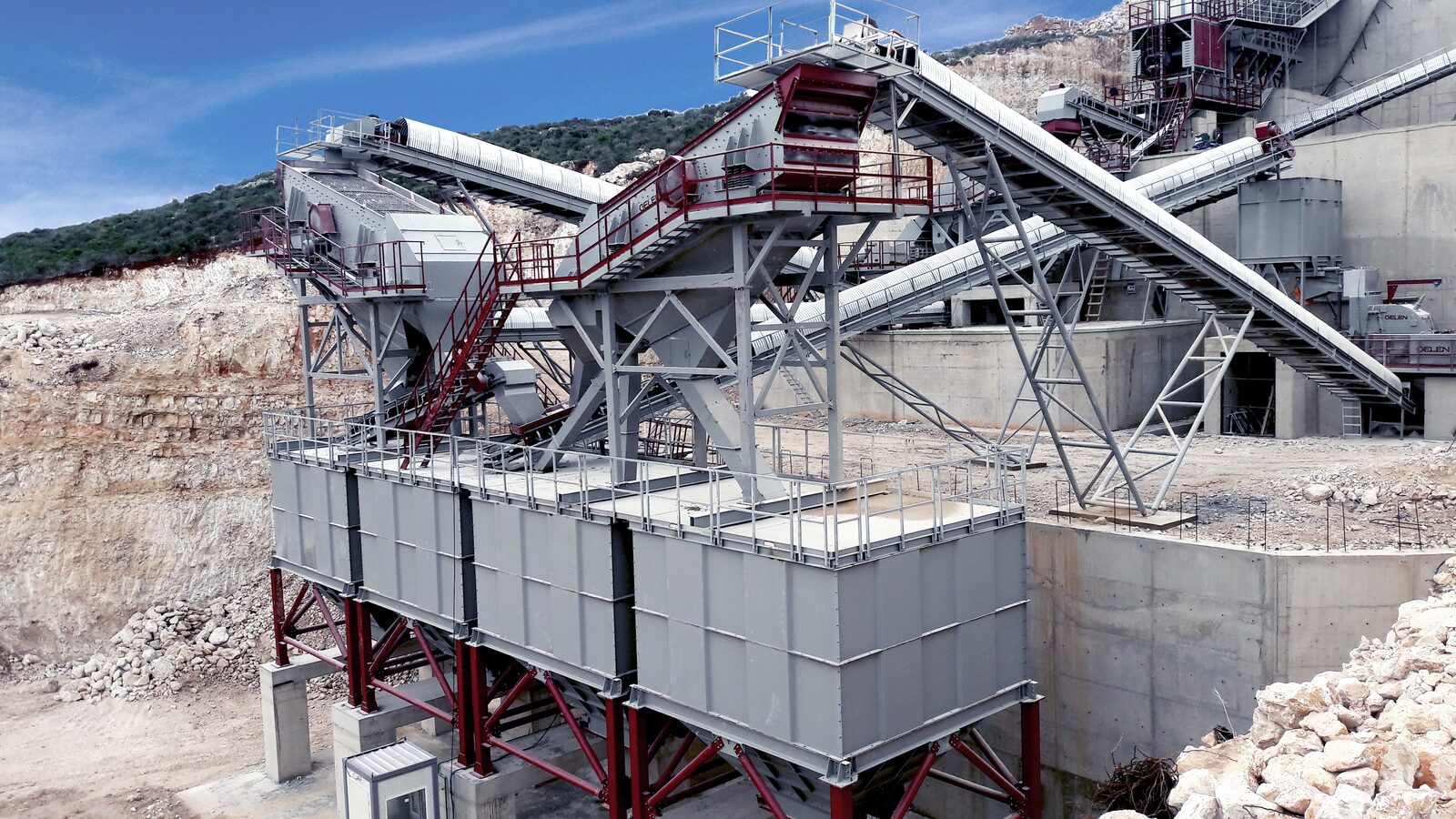
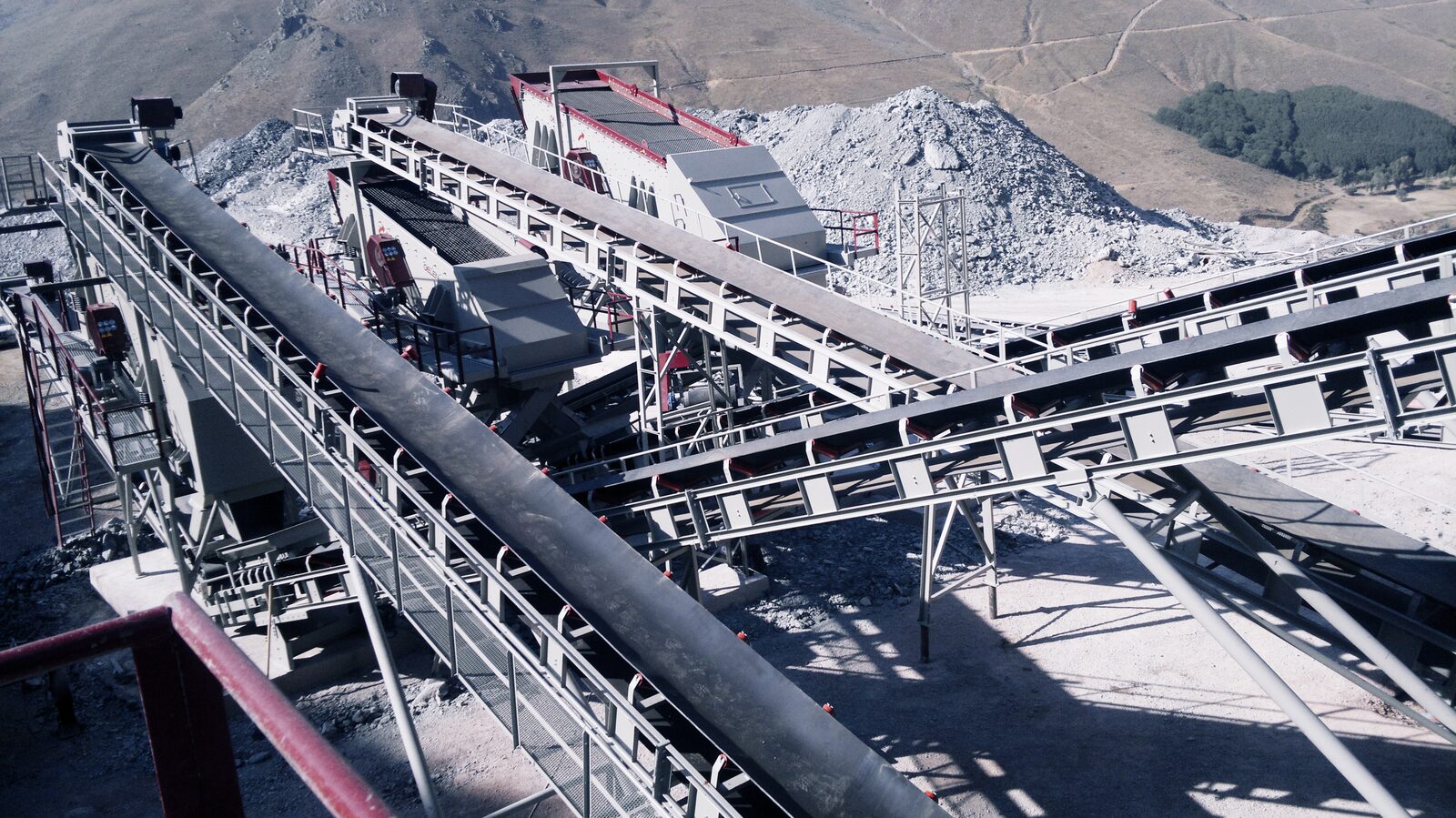
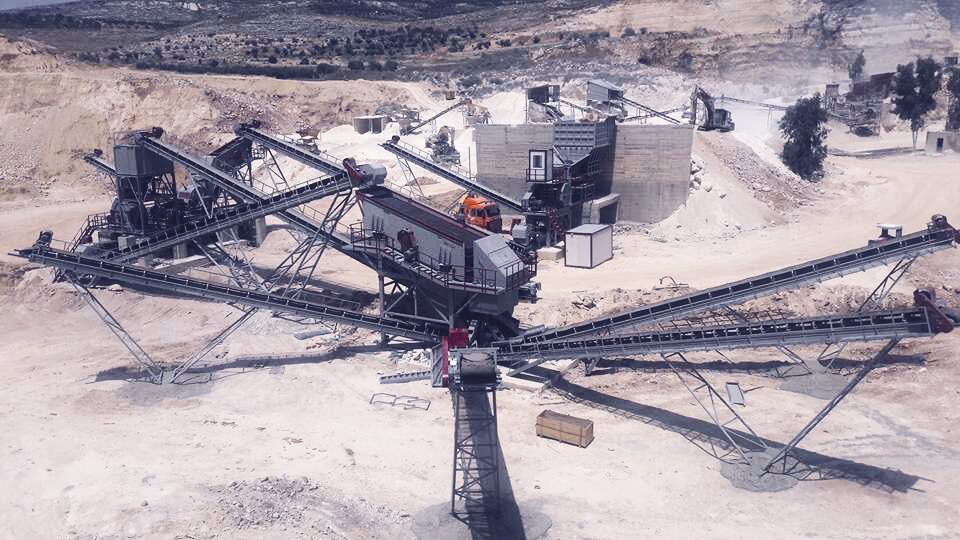
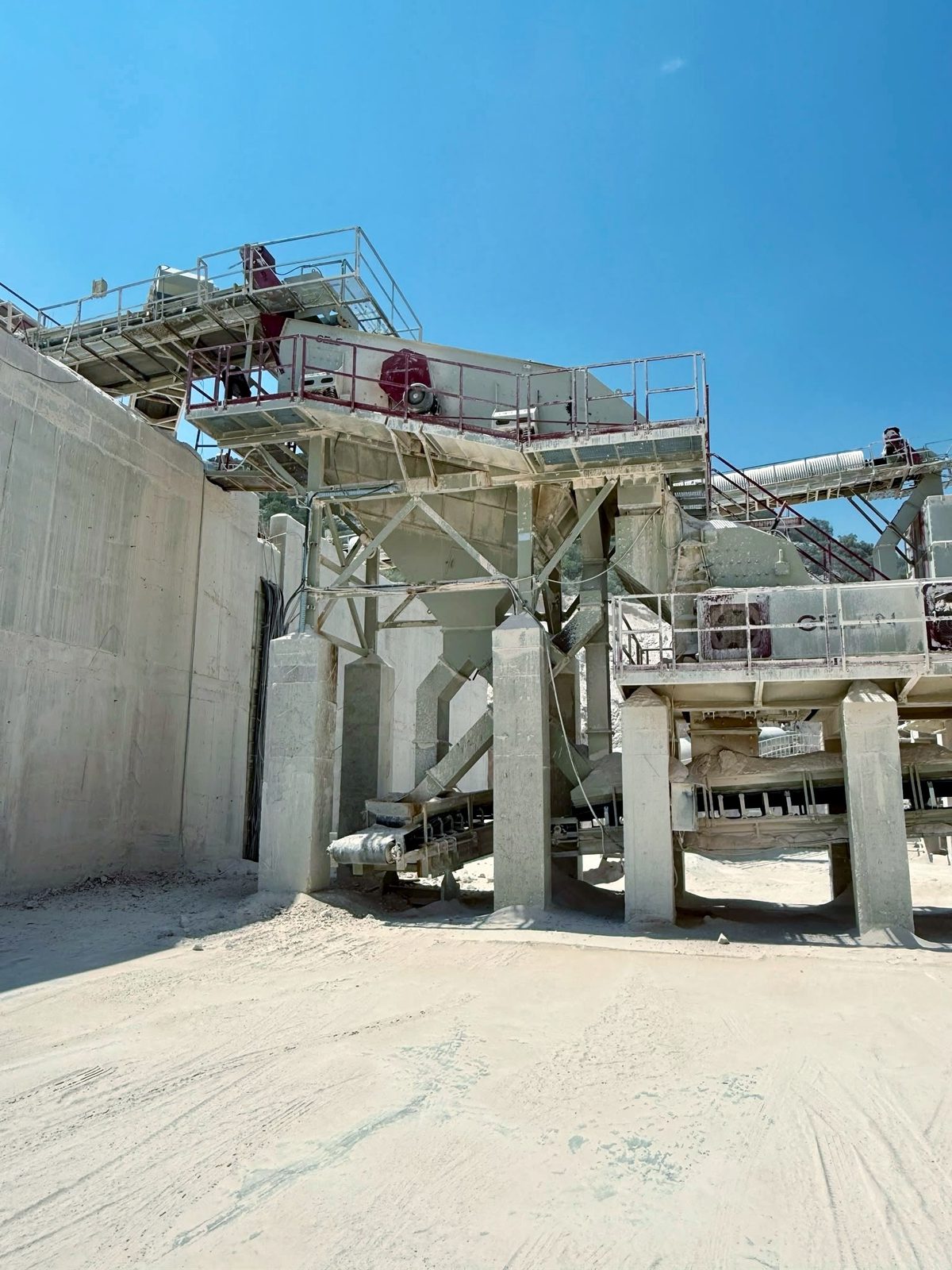
Expand your knowledge with these technical guides and connect with the global aggregate and screening community.
An inclined vibrating screen is a gravity-assisted screening machine mounted at 15° to 25° that uses circular vibration to separate bulk material by particle size. The combination of circular throw and deck inclination lifts material, creates stratification, and moves it toward the discharge end while undersize falls through the apertures.
It is the most common screen type in aggregate production, mining, and recycling thanks to its high throughput, low operating cost, and mechanical simplicity compared to horizontal or banana screens.
Start at 20° for general crushed stone and gravel screening. Use 15° to 18° for fine separations where accuracy matters more than throughput. Use 22° to 25° for coarse scalping where capacity is the priority.
The STE Series allows angle adjustment without structural modification, so operators can tune the angle in the field based on screening efficiency and oversize contamination observed in the products.
The STE Series features an eccentric shaft positioned at the screen body's center of gravity. This produces a uniform circular motion at every point on the deck, ensuring even vibration distribution from the feed end to the discharge end.
Compared to off-center shaft designs, the balanced motion improves stratification, reduces component wear, lowers energy consumption, and extends bearing life — making the STE an ideal choice for high-capacity, long-running operations.
Yes. The STE Series can be configured for wet screening with spray bars. Water pressure of 2 to 4 bar is typical, and the screen accepts polyurethane or rubber panels for wet duty. The circular motion provides thorough washing and rinsing for slurries and clay-contaminated feed in mining, aggregate, and sand and gravel applications.
For dedicated wet or sticky-feed applications, the ETE Series horizontal screen with elliptical motion is often the better choice.
The number of decks equals the number of product fractions minus one. For three products use a 2-deck screen. For four products such as 0/4, 4/8, 8/16, and 16/32 mm, use a 3-deck screen. For five products use a 4-deck STE.
The STE Series is available in 2, 3, and 4 deck configurations across model sizes from STE1020 (1000 mm wide) up to STE2470 (2400 mm wide).
Inclined screens use gravity plus circular motion for high throughput at lower cost and are ideal for standard size grading, primary scalping, and mobile plants where headroom is available. Horizontal screens use elliptical or linear motion for higher precision on fine, wet, or sticky material and fit installations with limited headroom.
For most general material screening below 500 t/h, inclined screens such as the STE are the right choice. Read the full comparison guide for a detailed decision framework.
Increase G-force within the screen's spec, install anti-blinding balls beneath the mesh, switch to polyurethane or rubber panels, add or increase spray water for wet blinding, reduce bed depth by lowering feed rate, and steepen the inclination angle.
A bed depth of no more than three times the aperture is the practical limit for efficient stratification. If blinding persists after these fixes, the feed PSD or moisture is likely outside the screen's design envelope.
To keep the STE Series running at full efficiency, follow a structured maintenance schedule: grease the bearings weekly, inspect screen media and bolt torque weekly, measure amplitude and check motor current monthly, and run a full bearing and shaft inspection quarterly.
Monitor bearing temperature continuously — normal is 50 to 80°C, warning at 90°C, and shutdown at 100°C. Following this schedule keeps the screen in service for 6,000 to 12,000 operating hours between major bearing work and helps you catch problems before they escalate.
Send your material, your capacity and the product sizes you need. An engineer answers, not a form.