

Why Screen Sizing Matters
- Impact of undersized screens: Bottlenecks in production, increased wear and tear, and poor product quality with excessive overshoot.
- Cost of oversized screens: Wasted energy consumption, unnecessary space utilization in the plant layout, and higher upfront capital expenditure.
5 Inputs You Need Before Sizing
- Feed rate (TPH)
- Material density (kg/m³)
- Particle size distribution (PSD)
- Number of product fractions
- Moisture content (%)
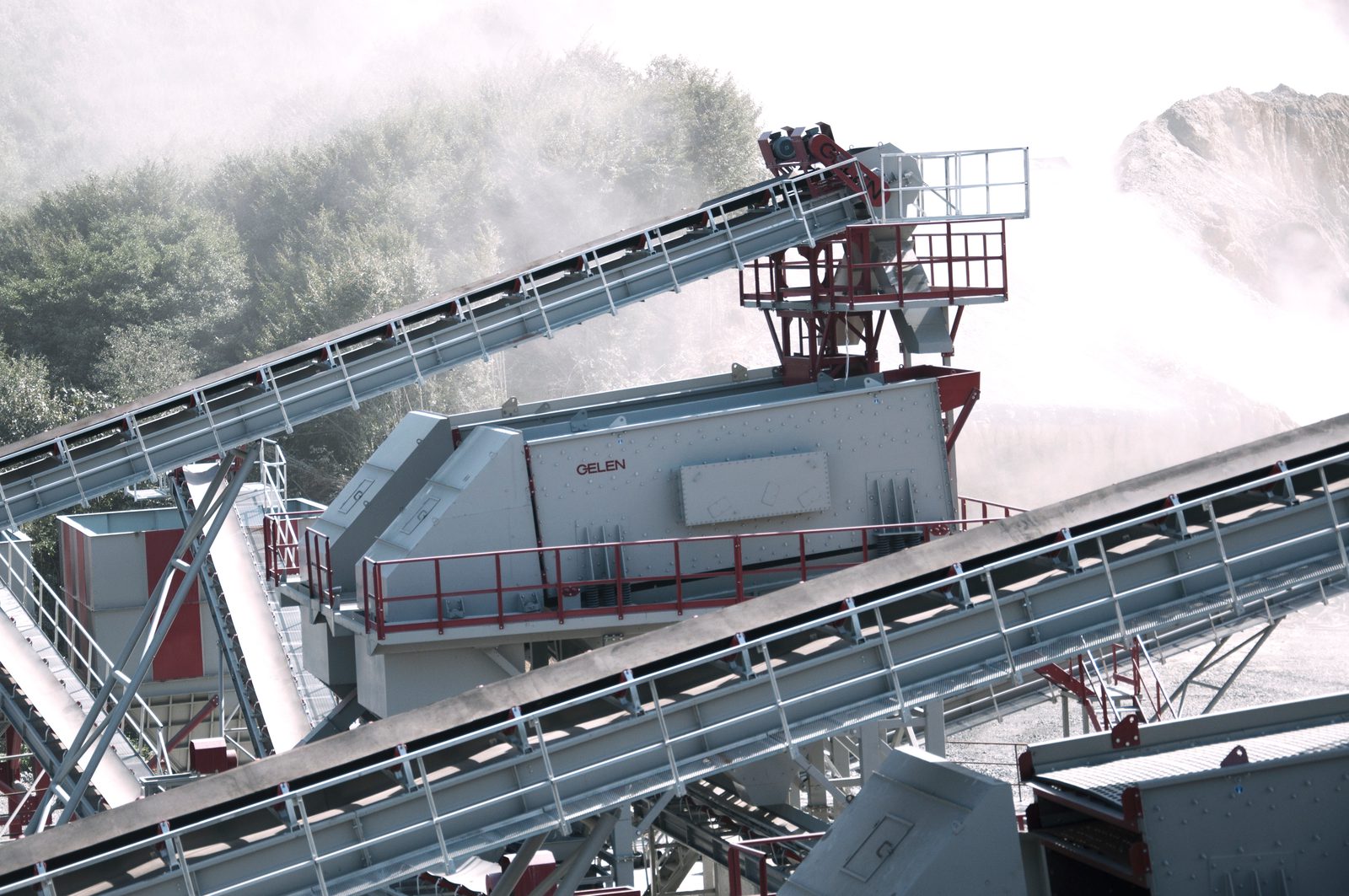
The Sizing Formula (With Worked Example)
Basic Capacity Formula
A = Q / (k × v × ρ × η)
Where:
- A = Screen area (m²)
- Q = Feed rate (TPH)
- k = Material factor (1.2-1.8)
- v = Material velocity (m/s)
- ρ = Bulk density (t/m³)
- η = Efficiency factor (0.7-0.9)
Worked Example: 200 t/h Limestone
- Step 1: Gather inputs (200 t/h feed, 1.6 t/m³ density, 5% moisture).
- Step 2: Calculate required area applying the formula above.
- Step 3: Select the appropriate ETE model that matches or exceeds the required area (e.g., ETE 2260).
- Step 4: Verify deck configuration based on required fractions.
Deck Configuration Decision Tree
- 1 deck = 2 fractions
- 2 decks = 3 fractions
- 3 decks = 4 fractions
- When to use 4 decks: Highly specialized multi-product outputs in a single pass without secondary screening.
Common Sizing Mistakes to Avoid
- Ignoring near-size material pegging in the mesh.
- Underestimating how much moisture impacts blinding.
- Overlooking bed depth limits, leading to heavy carry-over.