
Crushing & Screening Plants
Running the complete circuit — feeder, crushers, screens and conveyors — from one control room with the interlocks between them.
- Sequential start/stop
- Process safety controls
- Plant status at a glance

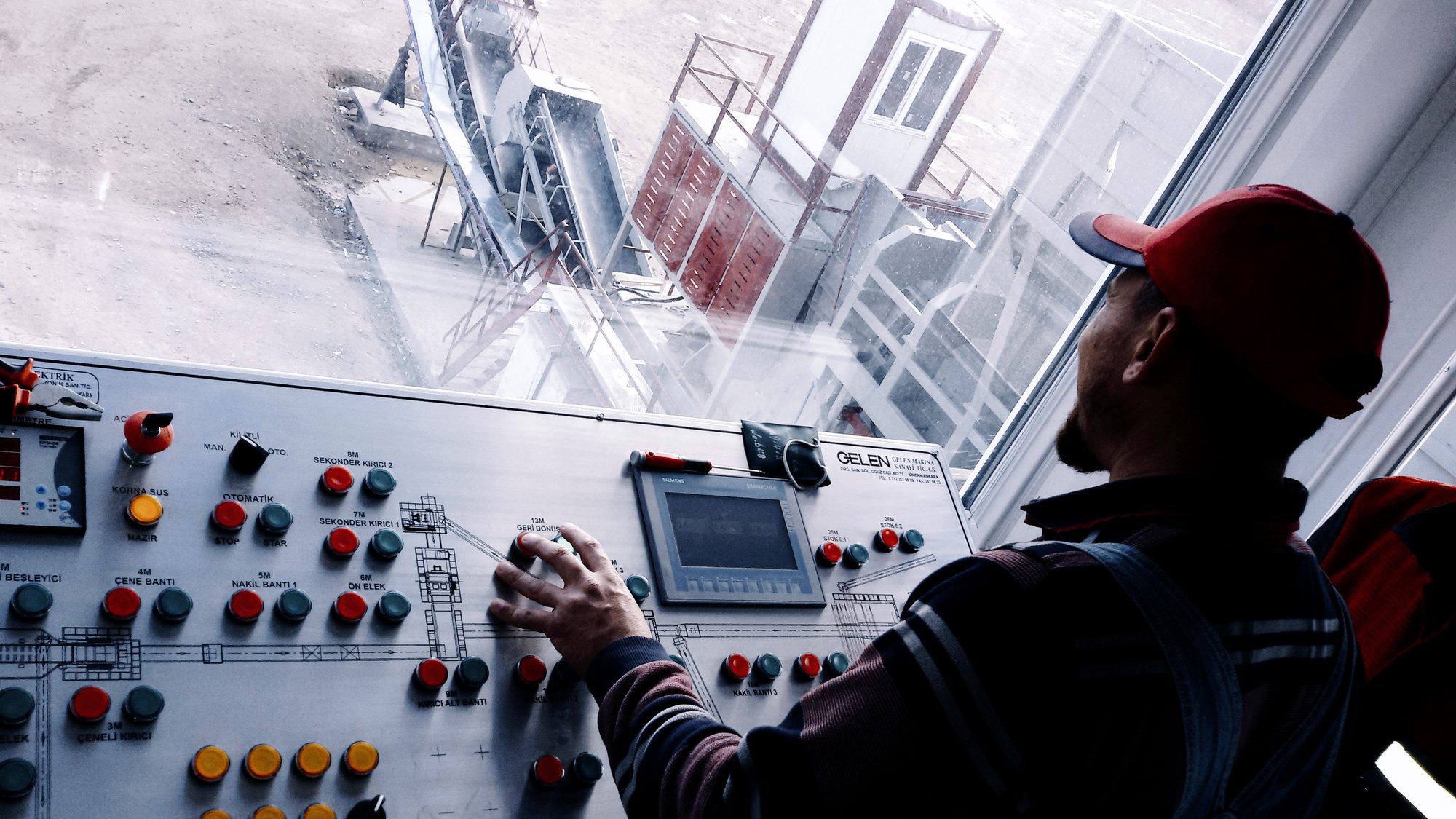
The control room is where the plant is run and watched. Every GELEN control system is built for its site: the machines it starts and stops, the conditions it has to survive and the way the operator wants to work. What it does is always the same — keep the plant running safely at the feed rate the circuit can take, record what happened and show the operator where the problem is when something stops.
Built per plant: the control system is designed around the machines actually installed and the site's conditions, rather than fitted from a catalogue, so the interlocks match the real circuit.
The plant starts and stops in order: sequential start/stop runs the machines in the right order — the discharge end first on start-up, the feed end first on shutdown — so no conveyor is ever started under a loaded belt or left with material on it.
Faults are recorded, not just alarmed: malfunction records keep what tripped and when, which is what turns a repeated stoppage into something a maintenance team can find.
The numbers come off the plant: production data collection logs throughput, energy consumption and equipment status, so the cost per tonne is measured instead of estimated.
A GELEN control room brings the plant together: process safety controls that watch critical parameters and shut equipment down when something is out of range, sequential start/stop of the whole circuit, current control and frequency control of the drives, collection of production data, and malfunction records for the stoppages. The scope, the panels and the operator interface are specified per project with the plant layout — tell GELEN engineering which machines are in the circuit and how the plant is operated.
Every control system is built to its duty. Tell us the machines in the circuit and what you want to see from the cabin and we will size one.
Size one for meThe control system follows the material through the plant, in both directions.
On start-up, the sequence begins with the last machine in the line and works back to the feeder, so nothing is started with material already on it.
The feeder sets the feed rate, and frequency control matches drive speeds to the process instead of running everything flat out.
Process safety controls monitor the plant while it runs and shut equipment down automatically when a value goes out of range.
Production data — throughput, energy consumption, equipment status — and malfunction records are collected as the plant runs.
On shutdown, the feeder stops first and the rest of the line runs on until it is clear, so no machine restarts under load.
Plant control for aggregate, mining and recycling operations, from a single machine group to a complete plant.
Running the complete circuit — feeder, crushers, screens and conveyors — from one control room with the interlocks between them.

Continuous operation where a stoppage is expensive and the reason for it has to be traceable afterwards.

Plants where water, dosing and mixing have to follow the process, and the sequence matters as much as the machines.
What a GELEN control system brings to a plant.
Critical parameters are monitored while the plant runs, and equipment is shut down automatically when a reading goes out of range.
The whole circuit starts and stops in the right order, which protects belts and drives and saves the operator from doing it machine by machine.
Motor current is watched, so an overloaded machine is caught before the damage, and a rising trend can be seen in time.
Drive speeds are matched to the process rather than run at full speed, which is what keeps energy consumption in line with the tonnage.
Throughput, energy consumption and equipment status are recorded, so plant performance can be compared shift to shift.
Every trip is logged with what caused it, turning repeat stoppages into something maintenance can actually track down.

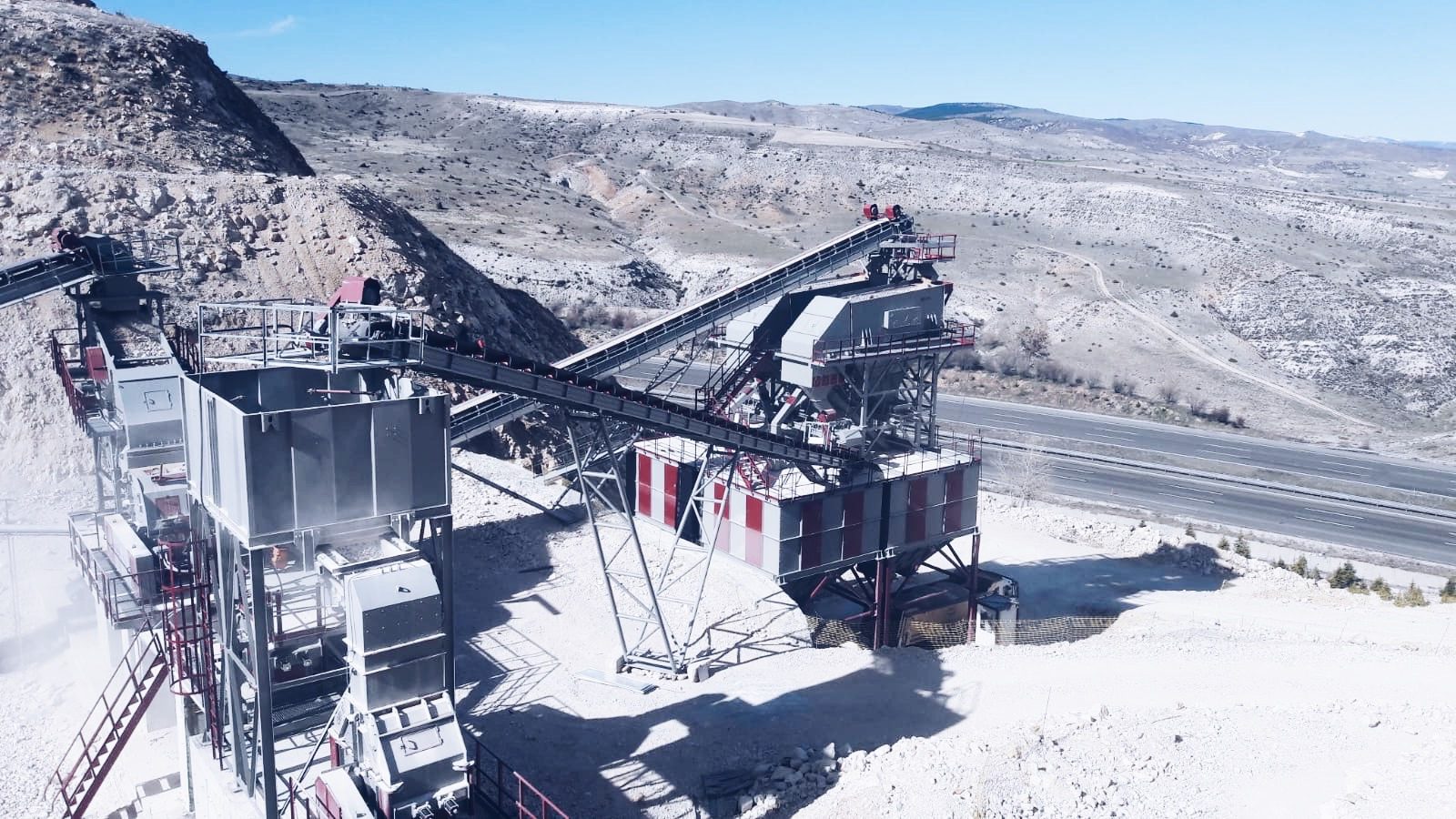
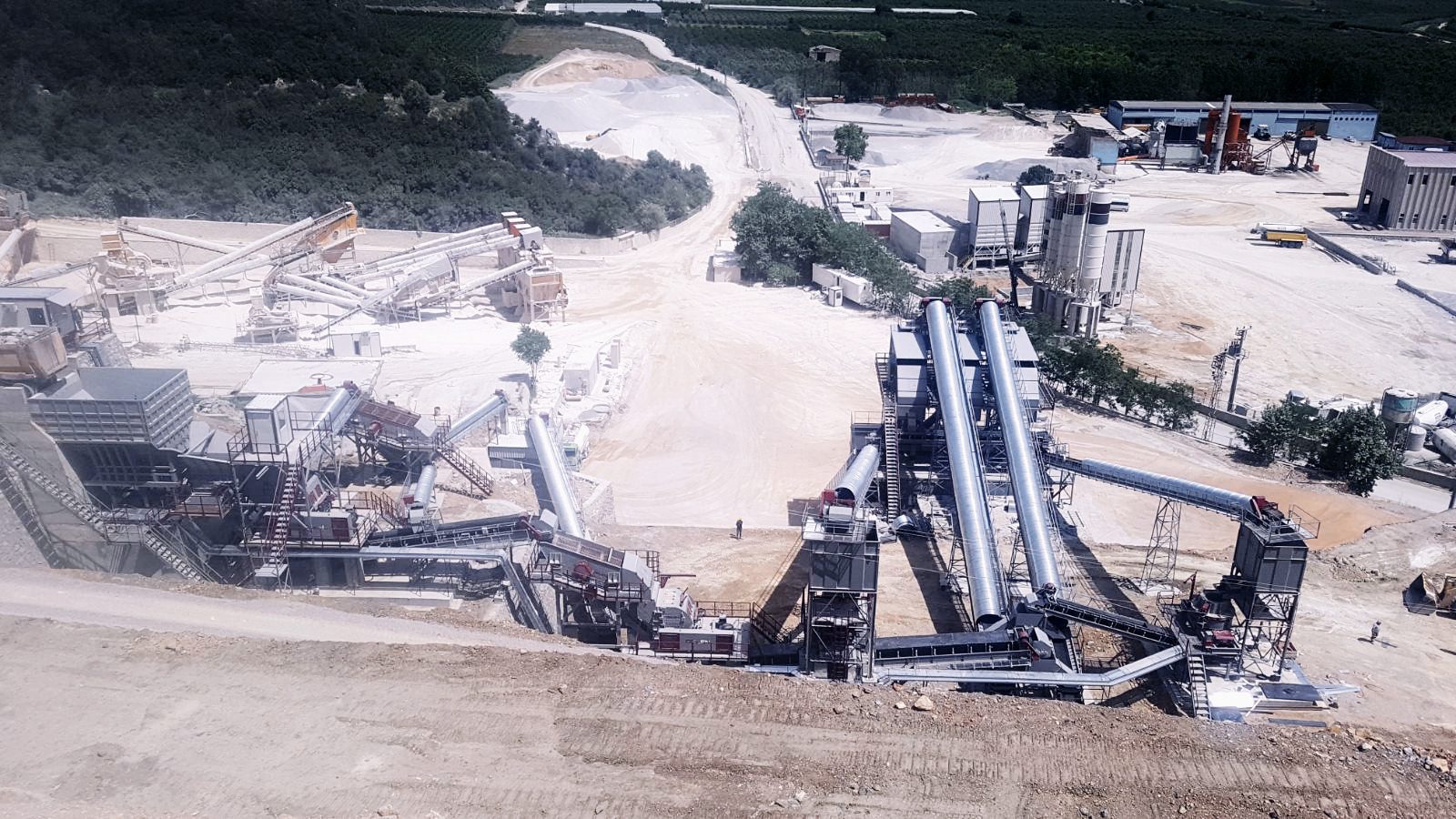
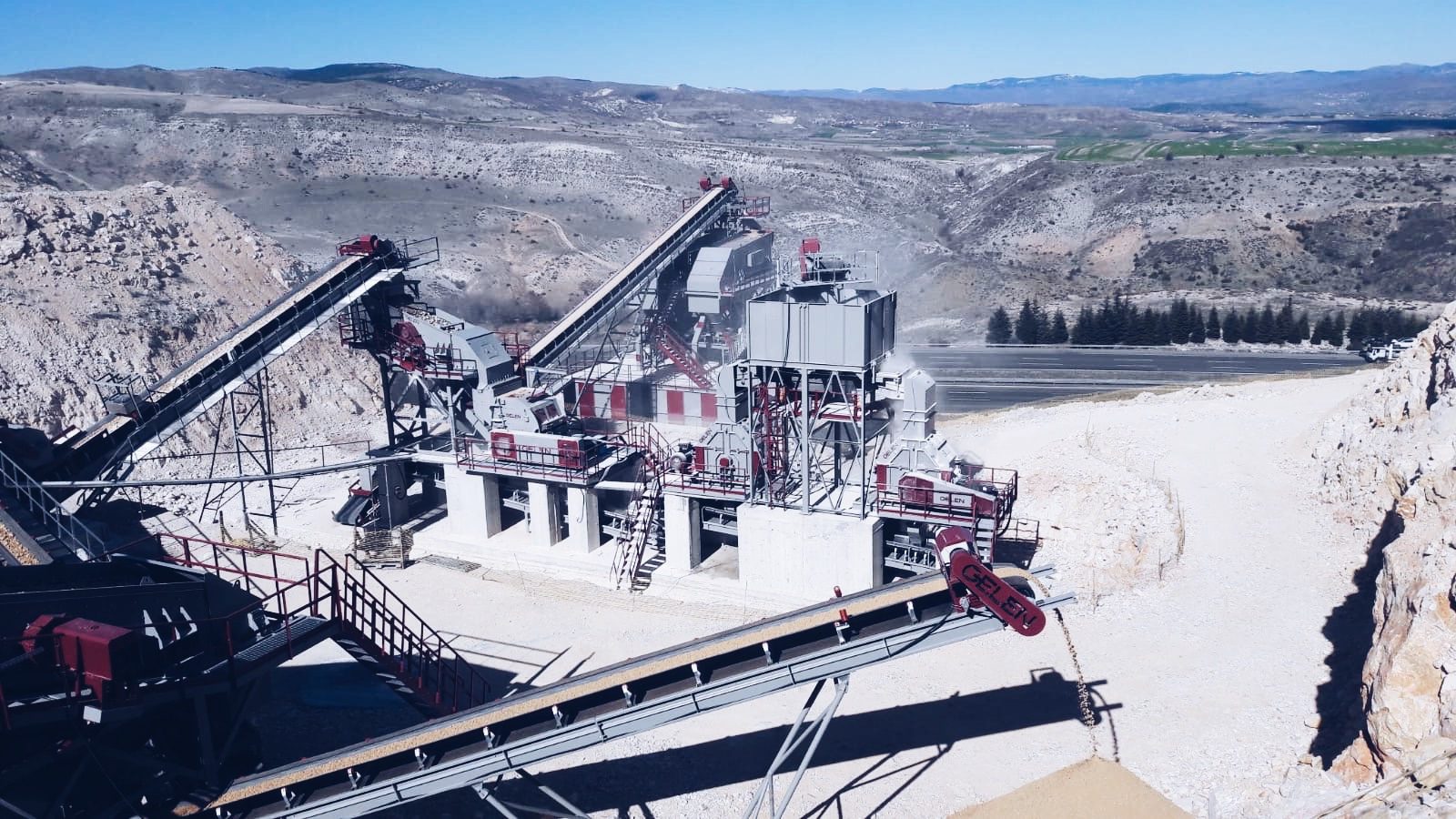
Technical guides and industry organisations for aggregate producers.
A control room from which the plant is run and monitored, with process safety controls, collection of production data, malfunction records, current control, frequency control and sequential start/stop of the circuit. The scope is set per project, because it follows the machines that are actually installed and the way the site operates.
By keeping the plant running rather than by making a machine faster. Sequential start/stop and frequency control keep drives loaded correctly instead of running flat out, process safety controls stop damage before it spreads, and real-time monitoring with production data shows where output is actually being lost. The result is more running hours at the rate the circuit can take.
They watch the critical parameters while the plant runs and shut equipment down automatically when something goes out of range — an overload, a temperature, a level. That protects the machine and the people around it, and it keeps one fault from taking the rest of the circuit with it.
Because a conveyor must never start with material already on the belt, and no machine should be left loaded when the plant stops. Starting from the discharge end and stopping from the feed end lets the line clear itself, which protects drives and belts and removes a common cause of damage at shift change.
It adjusts the speed of motors and equipment to the requirements of the process, so a drive runs at the speed the duty needs instead of at full speed all the time. That matches energy consumption to the work being done and reduces unnecessary wear on the machinery.
Throughput, energy consumption and equipment status, together with the malfunction records of what stopped and when. Those are the numbers that let a plant compare shifts, find the machine that limits the circuit and work out its real cost per tonne.
Send your material, your capacity and the product sizes you need. An engineer answers, not a form.