PRIMARY JAW CRUSHERS


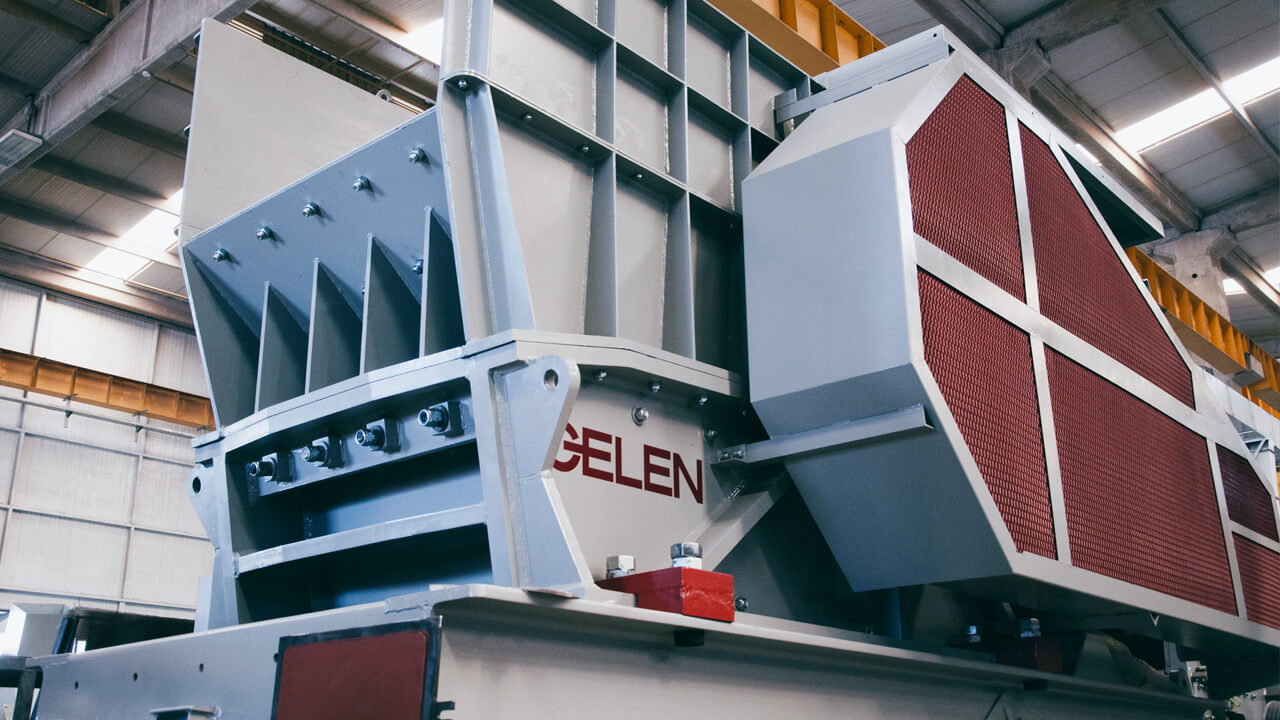
CK series jaw crushers are your reliable partner in the toughest feed conditions. With a wide range of size selection GELEN jaw crushers offer you the most productive and cost-efficient solution for your primary and secondary applications. Easy setting, safe and quick maintenance increase your production efficiency to a maximum level.
JAW CRUSHERS — CK SERIES
CK series jaw crushers are your reliable partner in the toughest feed conditions. With a wide range of size selection GELEN jaw crushers offer you the most productive and cost-efficient solution for your primary and secondary applications. Easy setting, safe and quick maintenance increase your production efficiency to a maximum level.
Wide Range Of Applications Quarry Recycling River Material Industrial
High Durability Cast steel pitman designed for maximum strength with minimum weight. Stress-relieved main frame. Cast steel frame bearing housing with four equal size bearings.
High performance Symmetrical crushing chamber Large flywheel Robust eccentric shaft design with high swing
Low operational costs Optional central lubrication Reversible jaw plates Adaptable motor base
CK638 | CK855 | CK965 | CK1075 | CK1185 | CK1395 | CK1411 | CK1612 | CK3055 | |
| INLET OPENINGmm | 600x380 | 800x550 | 900x650 | 1000x750 | 1100x850 | 1250x950 | 1400x1100 | 1600x1200 | 1400x750 |
| MAX. FEED SIZEmm | 340 | 490 | 580 | 680 | 760 | 850 | 990 | 1080 | 680 |
| OUTLET SETTINGmm | 40 - 150 | 50 - 170 | 60 - 170 | 70 - 200 | 75 - 200 | 100 - 250 | 125 - 275 | 150 - 300 | 75-200 |
| OUTPUTtph | 25 - 120 | 75 - 250 | 80 - 260 | 150 - 420 | 180- 460 | 270 - 645 | 400 - 850 | 500 - 1000 | 240- 600 |
| POWERkw | 30 | 55 | 75 | 110 | 132 | 160 | 200 | 250 | 160 |
| WEIGHTkg | 6.300 | 9.800 | 13.400 | 21.000 | 33.000 | 43.000 | 54.500 | 74.200 | 31.000 |


CK920 | CK1338 | CK1465 | |
| INLET OPENINGmm | 900x200 | 1300x380 | 1400x650 |
| MAX. FEED SIZEmm | 180 | 340 | 540 |
| OUTLET SETTINGmm | 30 - 90 | 50 - 125 | 75 - 175 |
| OUTPUTtph | 20 - 75 | 40 - 120 | 200 - 550 |
| POWERkw | 30 | 55 | 132 |
| WEIGHTkg | 5.600 | 16.900 | 29.900 |
Our jaw crushers are engineered for primary crushing applications with capacities ranging from 50 to 800 TPH. Each model features robust construction, hydraulic adjustment systems, and optimized crushing chambers for maximum efficiency.
Standard Features: Hydraulic CSS adjustment, centralized lubrication system, reversible jaw plates, thermal overload protection, V-belt drive system.
Optional: Wireless remote control, dust suppression system, metal detector, wheeled mobile chassis.
GELEN jaw crushers excel in diverse crushing environments, from hard rock mining to concrete recycling. Discover how our equipment adapts to your specific industry needs.

Primary crushing of hard rock ores including gold, copper, iron, and nickel. Designed for 24/7 operation in both underground and open-pit mines with minimal downtime requirements.

Efficient reduction of limestone, granite, basalt, and sandstone. High reduction ratios produce quality aggregates for construction and infrastructure projects.

Concrete and asphalt recycling with adjustable discharge settings. Convert demolition waste into reusable construction material while reducing landfill dependency.
Every GELEN jaw crusher incorporates 40+ years of engineering expertise. Discover the features that reduce operating costs and maximize uptime.
Up to 6:1 reduction ratio means less secondary crushing equipment needed, reducing both capital expenditure and operational complexity.
Hydraulic adjustment system and centralized lubrication points reduce maintenance downtime by up to 40% compared to conventional designs.
Optimized crushing chamber geometry and flywheel design reduce power consumption by up to 20%, lowering your operating costs.
Stress-relieved steel frame and premium alloy jaw plates ensure 15+ year service life even in the most demanding conditions.
Choose from stationary, wheeled mobile, or track-mounted options to match your site requirements and operational flexibility needs.
Since 1981, GELEN has delivered crushing equipment to over 50 countries. Turkish manufacturing combines European quality with competitive pricing.
Expand your knowledge with these trusted industry resources and connect with the global crushing and screening community.
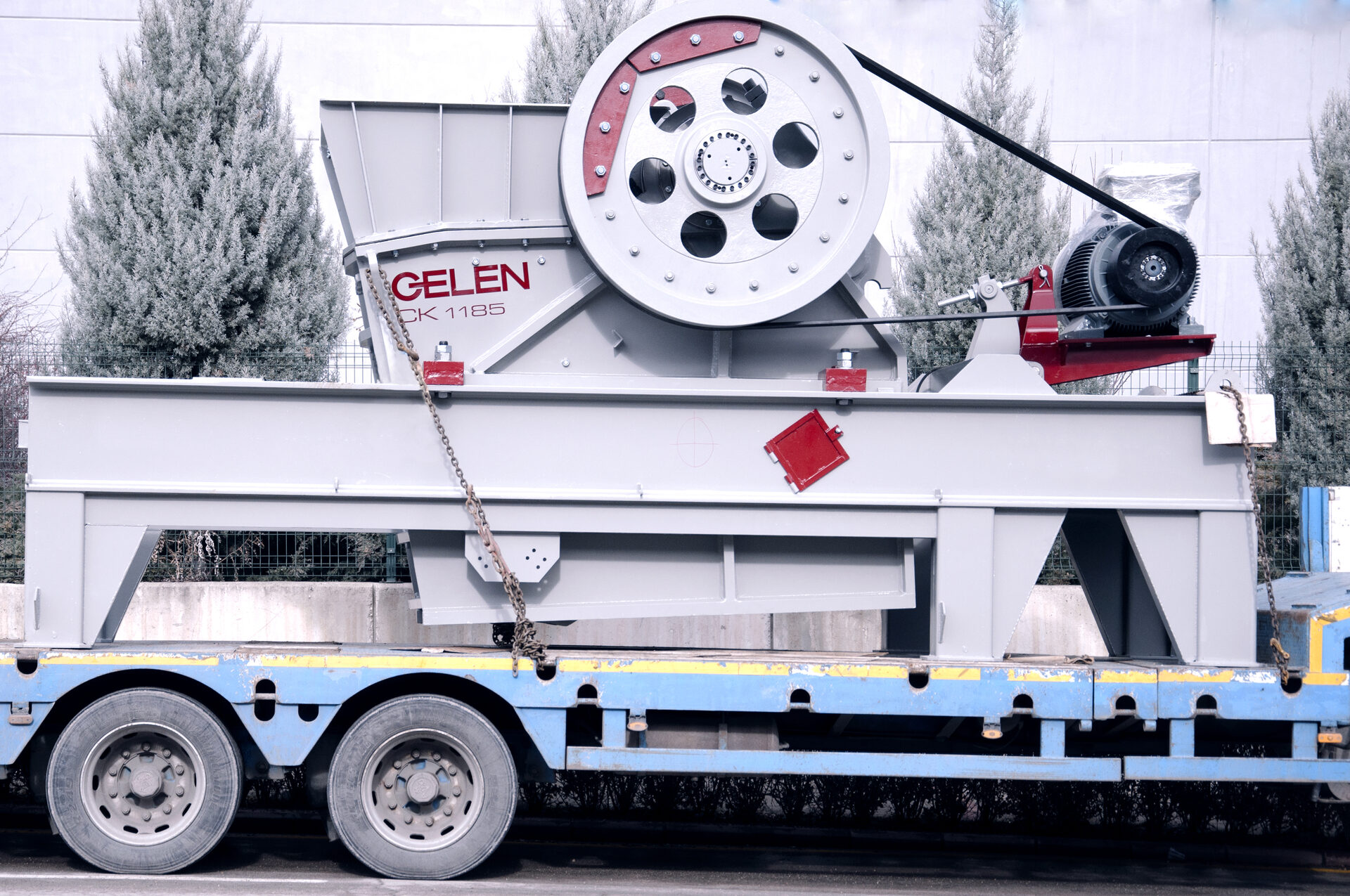
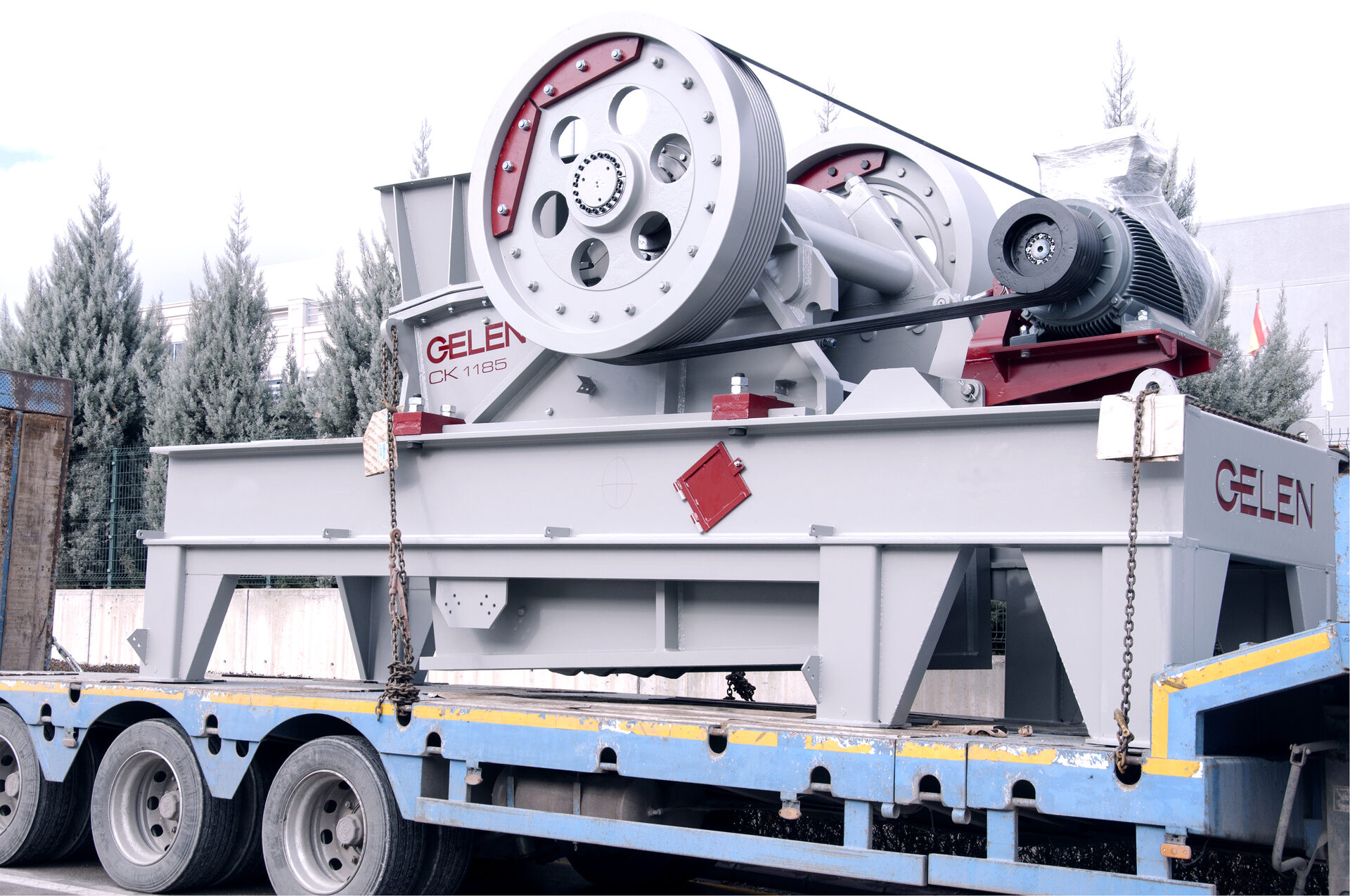
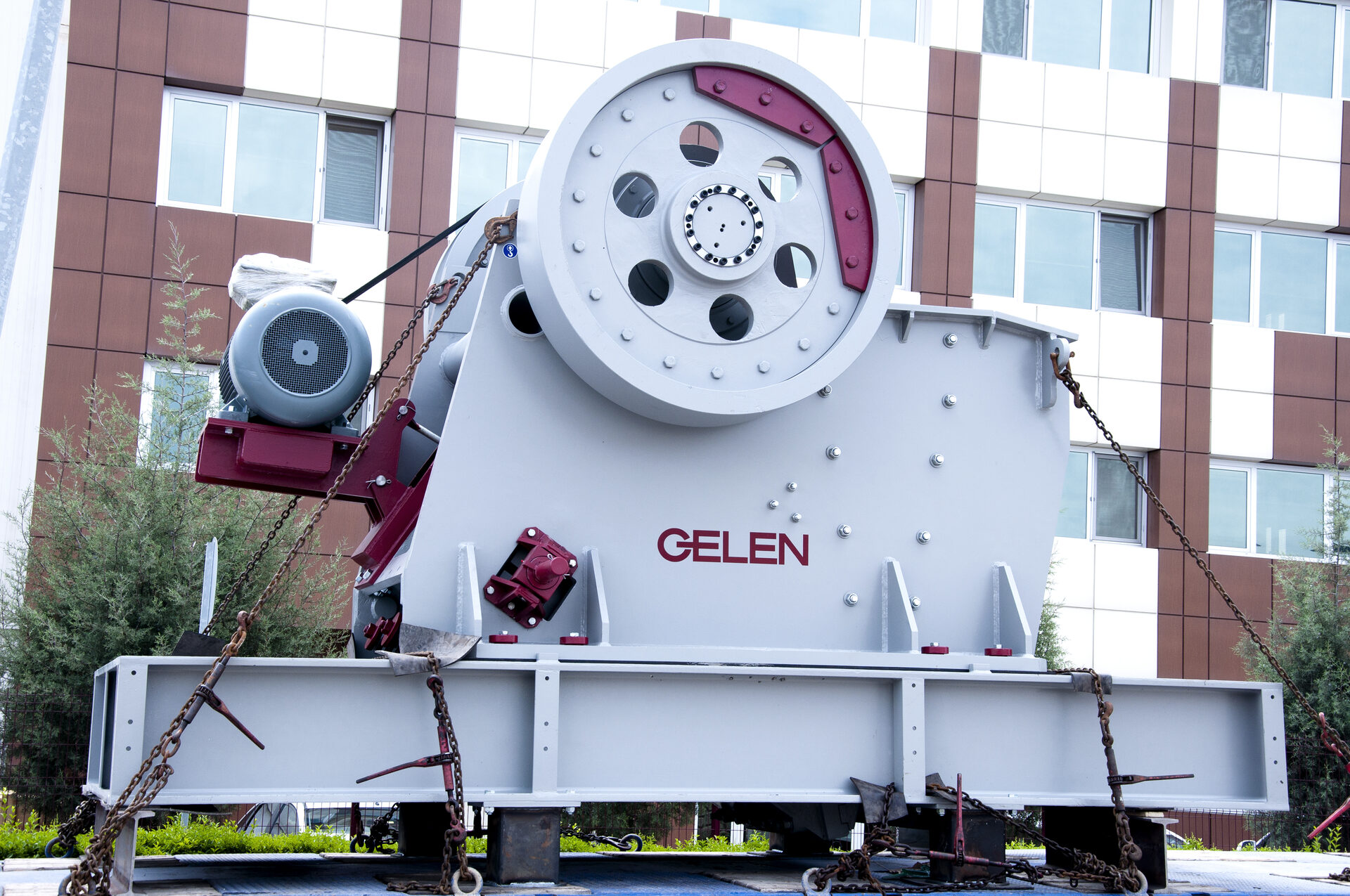
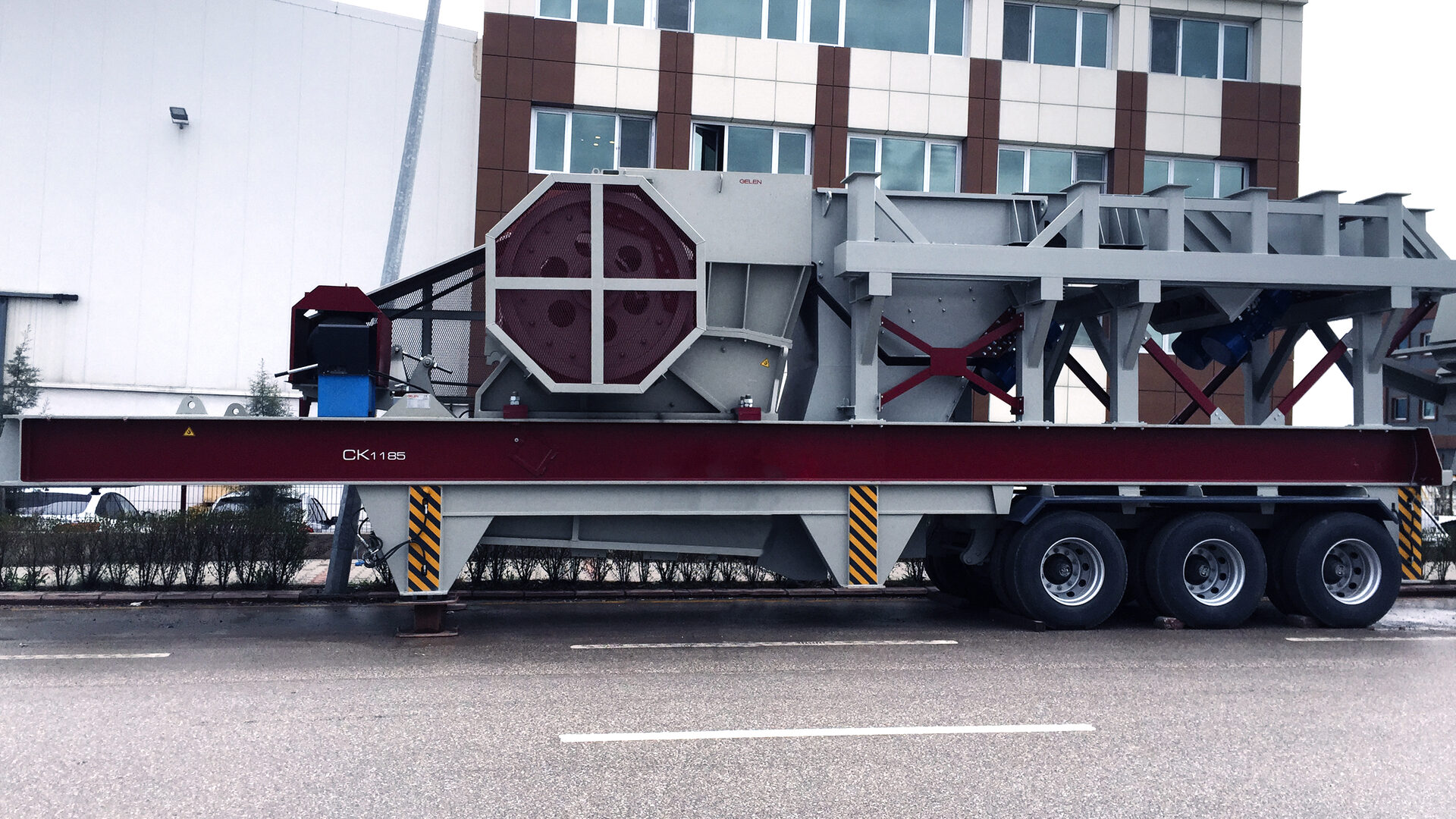
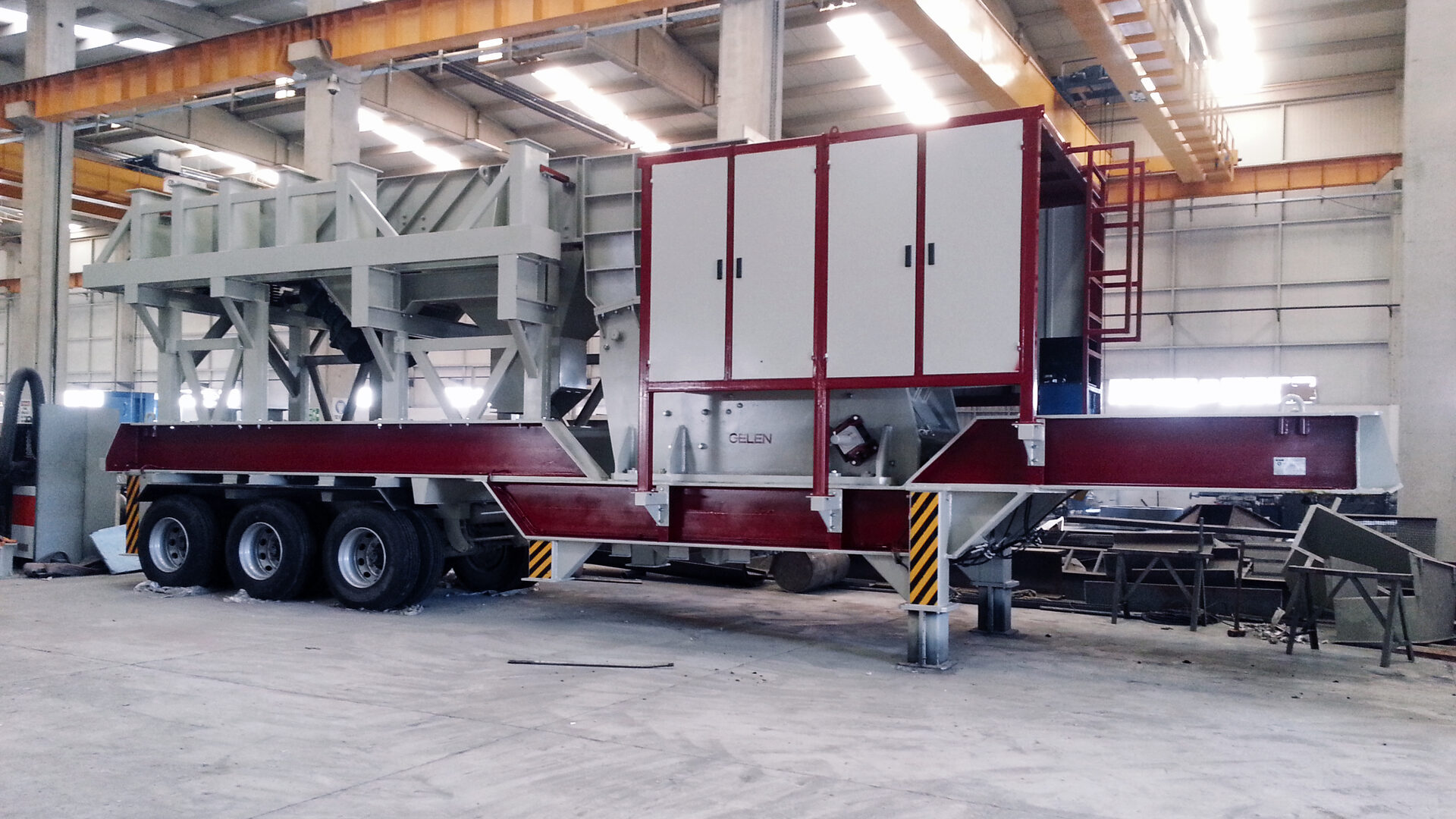
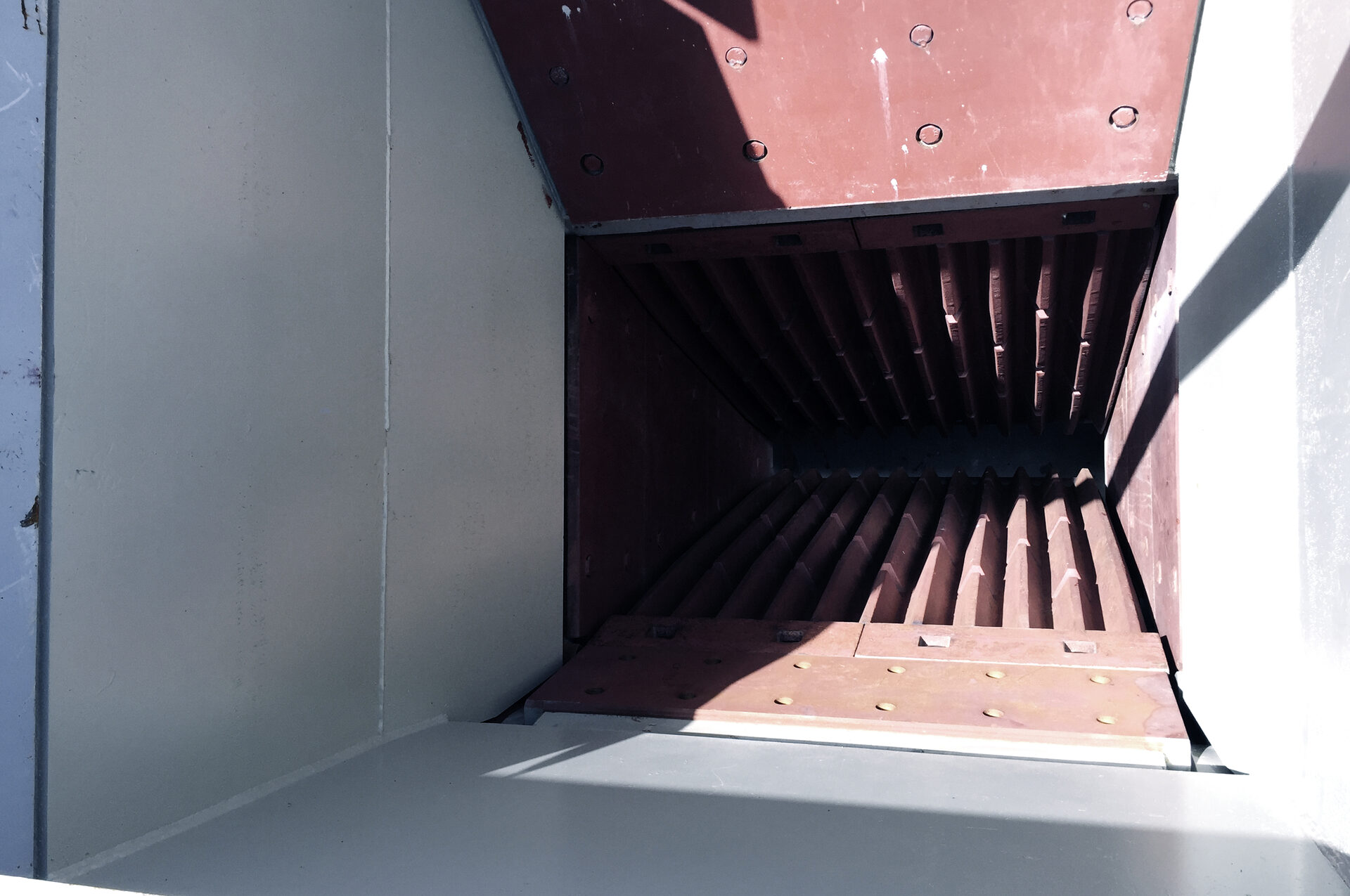
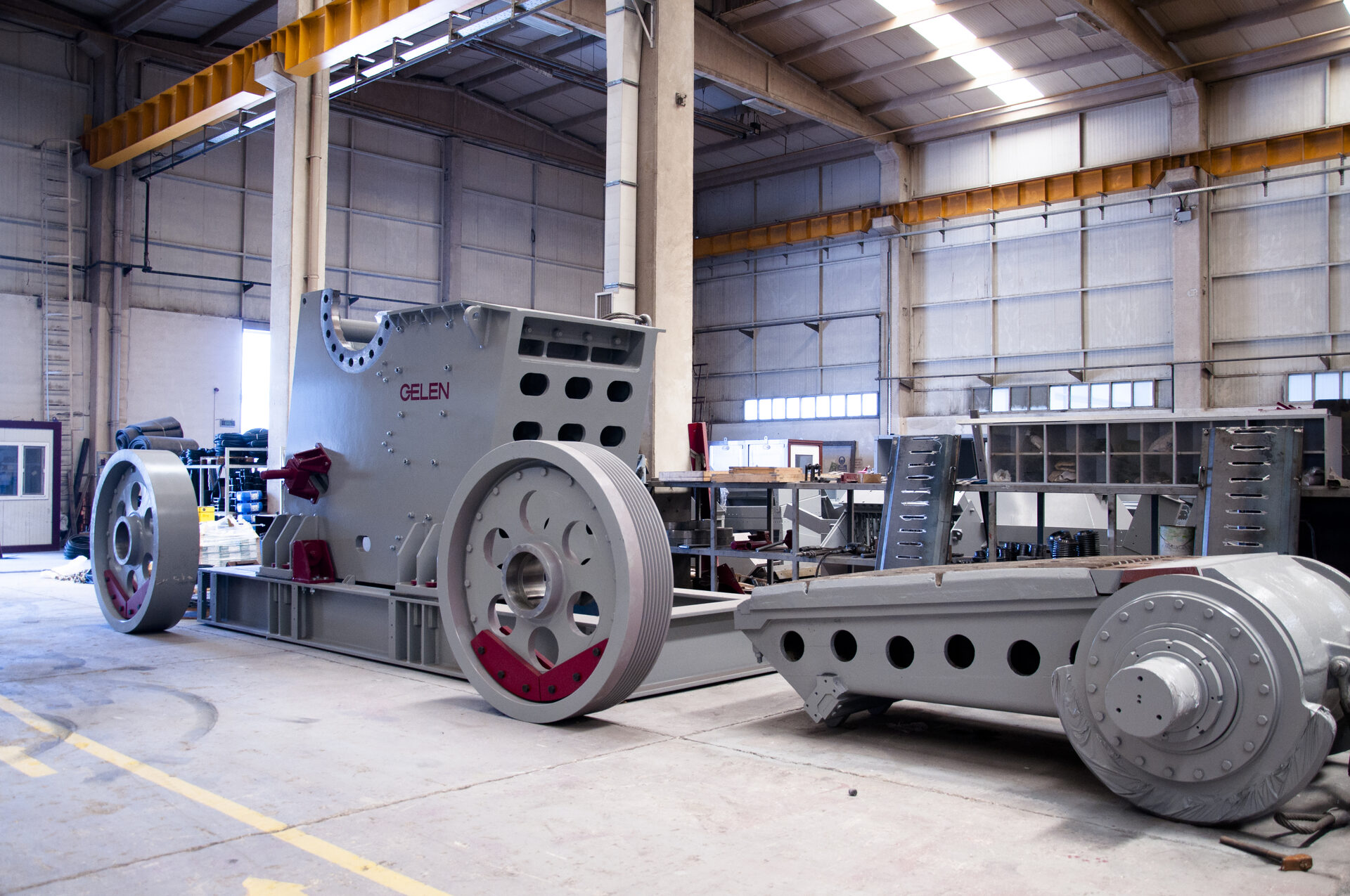
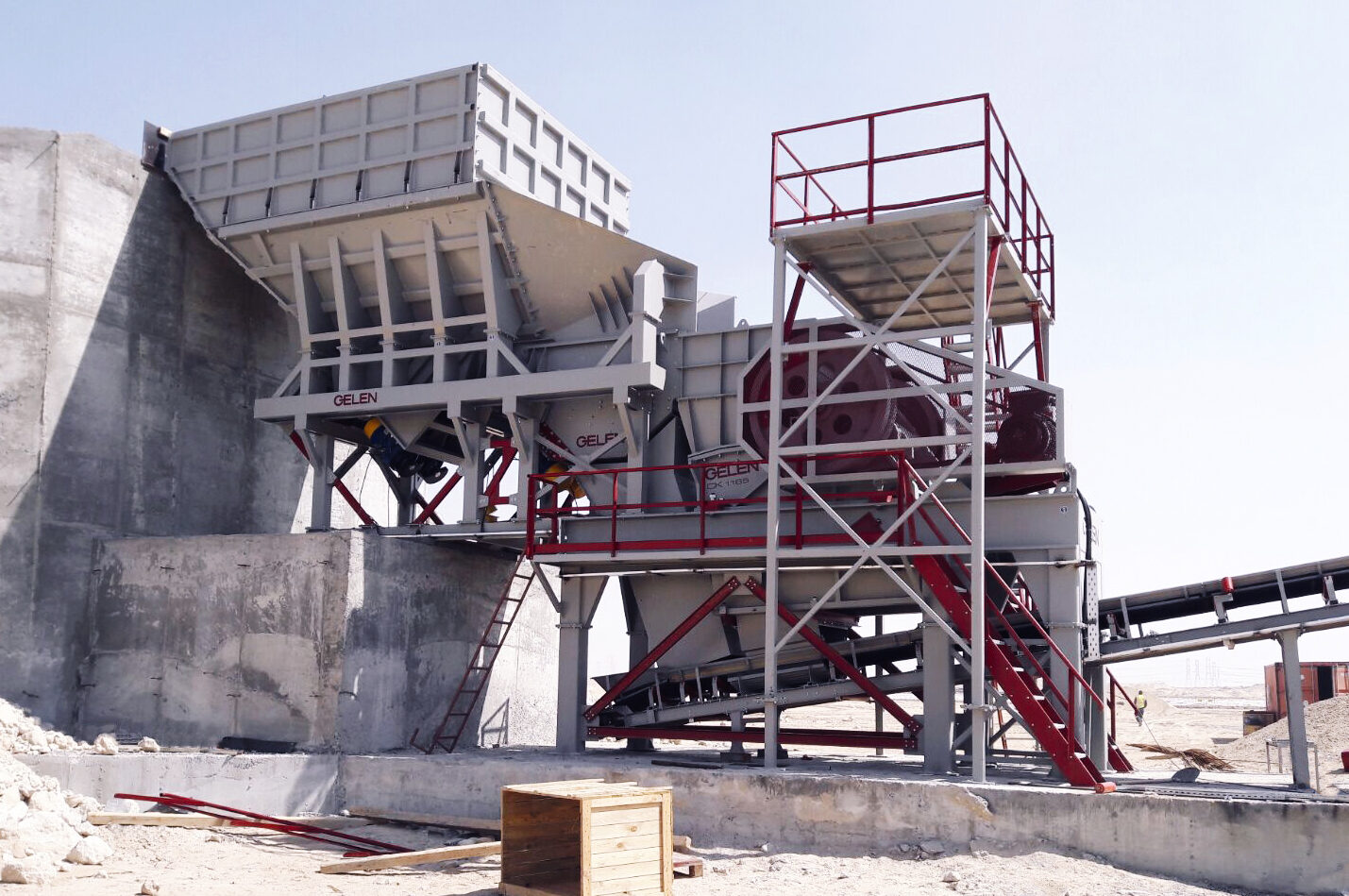
A jaw crusher is a primary crushing machine that reduces large rocks into smaller pieces using two heavy plates — a fixed jaw and a moving jaw — that compress the feed inside a V-shaped chamber. The moving jaw is driven by an eccentric shaft and a flywheel, swinging back and forth to crush material against the fixed jaw and progressively work it down to the discharge opening at the bottom.
Jaw crushers are the most common primary crushers in mining, quarrying, aggregates, and recycling because they handle very large feed sizes, deal well with hard and abrasive material, and have a simple, low-maintenance mechanical design.
The GELEN CK Series is a single-toggle jaw crusher built around a cast-steel pitman, a stress-relieved main frame, and four equal-size frame bearings — engineering choices that move stress out of weld seams and into bulk material, where it belongs. A symmetrical crushing chamber and an oversized flywheel keep the bite uniform across the full feed opening, and reversible jaw plates double wear life before replacement.
Optional central lubrication and an adaptable motor base shorten installation time and cut maintenance windows, which is why CK Series jaw crushers are specified for everything from compact mobile plants up to high-tonnage stationary primary stations.
Jaw crushers come in two basic mechanical configurations and two basic duty roles. Mechanically, single-toggle jaw crushers use one toggle plate and an eccentric shaft at the top of the moving jaw — they are compact, give a higher stroke at the feed opening, and dominate modern primary crushing. Double-toggle jaw crushers use two toggle plates and a separate eccentric shaft, give pure compressive motion, and are still preferred for very hard, abrasive feeds.
By role, primary jaw crushers (like the larger CK Series models) take run-of-mine rock and reduce it to a manageable feed size; secondary jaw crushers take that intermediate product and tighten the size further before screening.
Sizing a jaw crusher comes down to four numbers: maximum feed size, target product size, throughput in tons per hour, and the work index of the rock. Start with the feed opening — it has to be at least 20 percent larger than the biggest stone you ever expect to feed. Then check the closed-side setting (CSS) — that determines the d80 of the discharge and decides how much load you can put on the secondary stage. Cross-check both against the published throughput curve at your CSS.
Finally, weigh the rock's abrasiveness and Bond work index against the chamber design — harder feeds run lower in the throughput band and wear jaw plates faster. The GELEN CK Series spans nine primary models from CK638 up to CK3055 and three secondary models, so most applications fit a single-machine selection.
CK Series jaw crushers are built for the hardest end of the feed spectrum: granite, basalt, gabbro, river stone, dolomite, limestone, iron and copper ore, and reinforced concrete from construction-and-demolition recycling. The cast-steel pitman and four-bearing layout absorb the impact loads that crack pitmans on lighter machines, and the symmetrical chamber keeps wear even on abrasive quartzite and silica-rich feeds.
Sticky clay-bound feeds are the one application where any compression crusher struggles, and the fix is upstream — a vibrating grizzly or scalper ahead of the crusher keeps fines and clay out of the chamber.
The GELEN CK Series covers throughput from roughly 50 TPH on the smallest CK638 primary unit up to 800+ TPH on the CK3055 — the full range that an aggregates, mining, or recycling operation typically needs from a single jaw crusher line. Three secondary models (CK920, CK1338, CK1465) add tighter-CSS capability for plants that want to do both primary and secondary jaw crushing before screening.
Power, weight, and feed-opening dimensions are published in the specification table on the product page so a system designer can pick a model directly against process flow numbers.
Stationary jaw crushers win on cost-per-ton and on long-term reliability when the operation is fixed: a quarry, a captive mine, or a permanent recycling yard. Mobile jaw crushers win on flexibility — they can be redeployed between sites, shorten haul distances on linear projects (highways, rail, pipelines), and start producing within hours of delivery.
Sites that move every few months almost always justify mobile; sites that produce more than about 200,000 tons per year from one location almost always justify stationary. Anything in between is a project-economics calculation, and GELEN can supply CK Series machines in both stationary and mobile chassis configurations.
Routine maintenance on a jaw crusher focuses on six items: grease the main and pitman bearings on the OEM schedule (typically every 8 operating hours for the moving end and weekly for the fixed end, or use central lubrication and forget the schedule), inspect jaw plates for wear at every shift change and reverse them at roughly 50 percent wear to double the life, check the toggle plate and tension rod for cracking or fatigue weekly, monitor flywheel V-belt tension and replace belts as a complete set, re-torque structural bolts after the first 50 hours and then quarterly, and keep the discharge clear so the chamber never chokes.
CK Series machines are designed for fast service access — bearings, jaws, and toggles can be reached without dismantling adjacent conveyors or feeders, which is the difference between a four-hour wear change and a full shift of downtime.