
Introduction: Jaw crushers and impact crushers are both used for primary and secondary crushing, but they work on fundamentally different principles — compression vs. impact. Choosing the wrong one costs money in wear parts, energy, and product quality. This guide helps you make the right call for your material, output target, and budget.
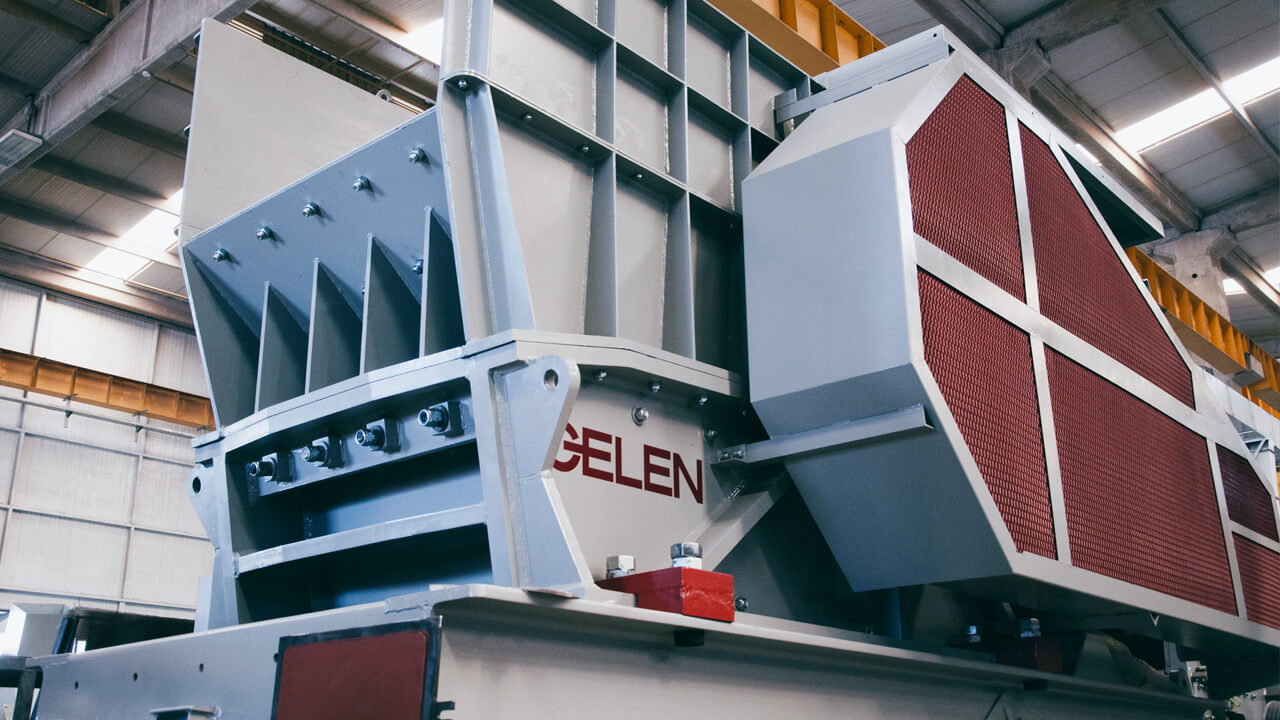
How Each Crusher Works
Jaw Crusher — Compression
A jaw crusher uses two steel jaws — one fixed, one reciprocating — to squeeze rock until it breaks. The material is reduced by compressive force. This method is gentle on wear parts when processing hard, abrasive materials.
Impact Crusher — High-Speed Impact
An impact crusher (HSI) throws material at high speed against fixed blow bars or anvils. The material shatters on impact. This produces a more cubic product shape but generates higher wear when material hardness exceeds ~150 MPa.
Side-by-Side Comparison
| Criterion | Jaw Crusher | Impact Crusher (HSI) |
|---|---|---|
| Crushing principle | Compression | Impact / shattering |
| Best for material hardness | All hardness levels including >200 MPa (granite, basalt, quartzite) | Soft to medium-hard (<150 MPa: limestone, dolomite, gypsum) |
| Maximum feed size | Up to 1,080 mm (GELEN CK1612) | Typically up to 700 mm |
| Product shape | Slightly elongated; good | Excellent cubic shape |
| Fines generation | Low (<10% fines) | Higher (15–25% fines) |
| Reduction ratio (single pass) | 4:1 to 6:1 | Up to 20:1 |
| Wear cost per tonne | Low — jaw plates last 300–1,500 hours depending on material | High — blow bars and impact plates wear faster on abrasive rock |
| Energy consumption | Lower kWh/t for hard materials | Lower kWh/t for soft materials |
| Typical role in plant | Primary crushing (first stage) | Primary or secondary; often used for shaping |
| Moisture sensitivity | Handles wet/sticky feed better | More sensitive to sticky materials |
| Capital cost | Moderate | Moderate to high |
Decision Matrix — Which Crusher For Your Material?
| Material | Hardness (MPa) | Recommended Crusher | Why |
|---|---|---|---|
| Granite | 160–240 | Jaw crusher | Too abrasive for impact; blow bars would wear rapidly |
| Basalt | 150–300 | Jaw crusher | Very hard and abrasive; compression is more cost-effective |
| Limestone | 60–120 | Impact crusher | Soft enough for impact; produces excellent cubic aggregate |
| Dolomite | 80–140 | Impact crusher | Medium hardness; good shape from impact |
| River gravel | 100–200 | Jaw crusher (primary) + Impact (secondary) | Mixed hardness; jaw handles lumps, impact shapes the product |
| Recycled concrete | 30–80 | Jaw crusher | Rebar tolerant; CSS adjustable for varying feed |
| Sandstone / marl | 40–100 | Impact crusher | Soft; cubic product with fewer stages |
| Iron ore | 100–250 | Jaw crusher | Hard and abrasive; high SiO2 content damages blow bars |
When to Use Both in Series
Many modern crushing plants combine a jaw crusher as the primary stage and an impact crusher as the secondary or tertiary stage. This gives you:
- Maximum feed acceptance: The jaw handles oversized, hard lumps that would damage an impact crusher.
- Superior product shape: The impact crusher refines the jaw output into highly cubic aggregate.
- Balanced wear costs: The jaw takes the brunt of abrasion on the first break; the impact processes pre-reduced, less abrasive material.
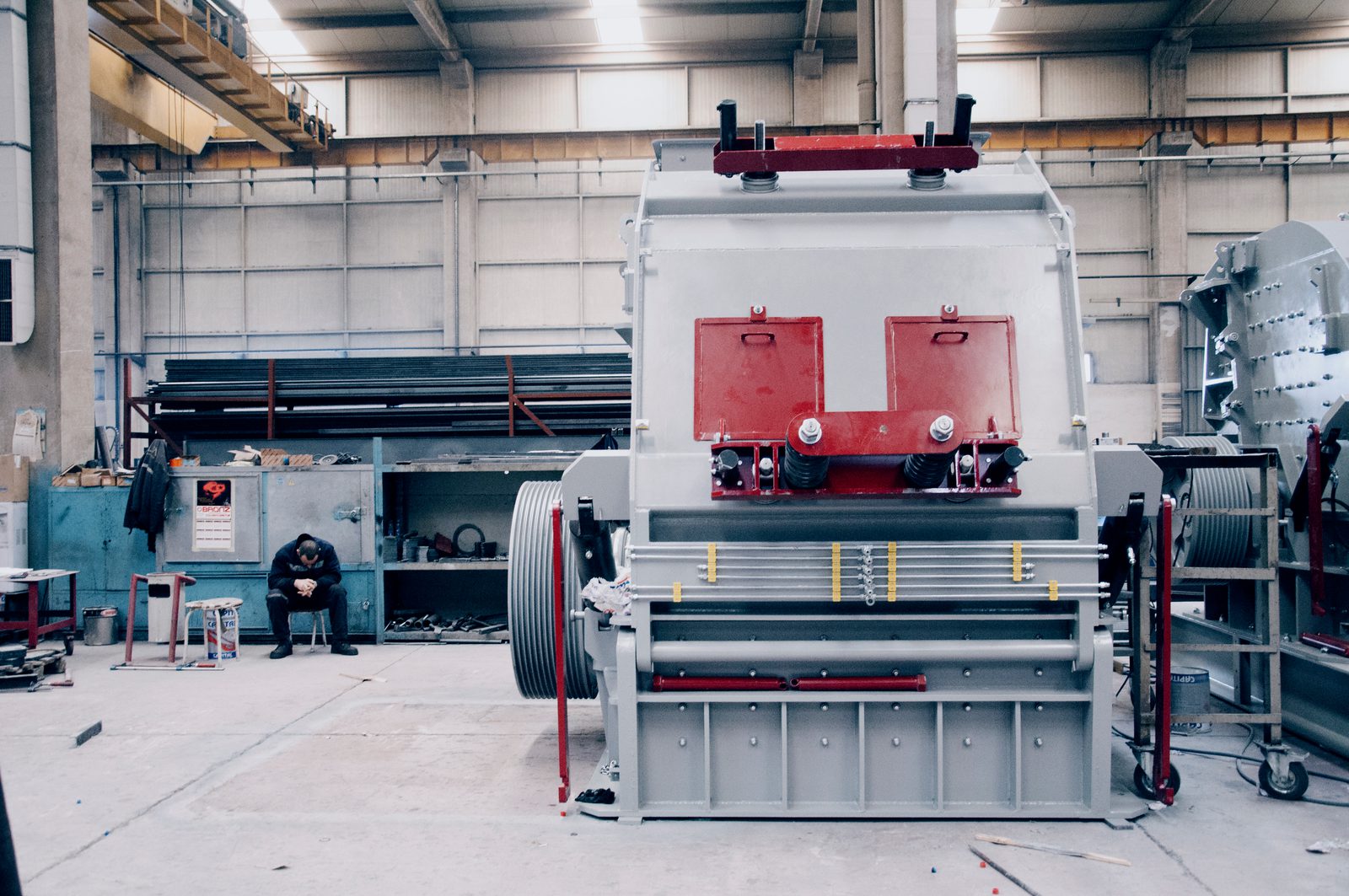
Typical configuration: GELEN CK primary jaw crusher → vibrating screen → GELEN HSI impact crusher → final screen.
Cost Comparison — 5-Year View
| Cost Factor | Jaw Crusher | Impact Crusher |
|---|---|---|
| Purchase price | Lower | Comparable or higher |
| Wear parts (annual) | Low: jaw plates, toggle plate, cheek plates | High: blow bars, impact plates, side liners |
| Energy cost | Lower for hard rock | Lower for soft rock |
| Maintenance downtime | ~2–4 hours/month (jaw plate flip) | ~4–8 hours/month (blow bar rotation) |
| 5-year TCO on granite @200 t/h | Significantly lower | 2–3× higher wear cost |
| 5-year TCO on limestone @200 t/h | Comparable | Competitive; better product shape |
Quick Decision Rule
Rule of thumb: If your material compressive strength exceeds 150 MPa or SiO2 content is above 10%, start with a jaw crusher. If your material is below 150 MPa and cubic product shape is critical, an impact crusher is likely the better choice. When in doubt, combine both.
Conclusion
There is no single "best" crusher — only the right crusher for your material, product requirements, and budget. Use the comparison tables above to narrow your choice, and remember that many successful plants use both crusher types in series for the best of both worlds.
GELEN manufactures both CK Series jaw crushers and horizontal shaft impact crushers. Contact our engineering team for a customized crushing circuit recommendation.