Inclined Vibrating Screens
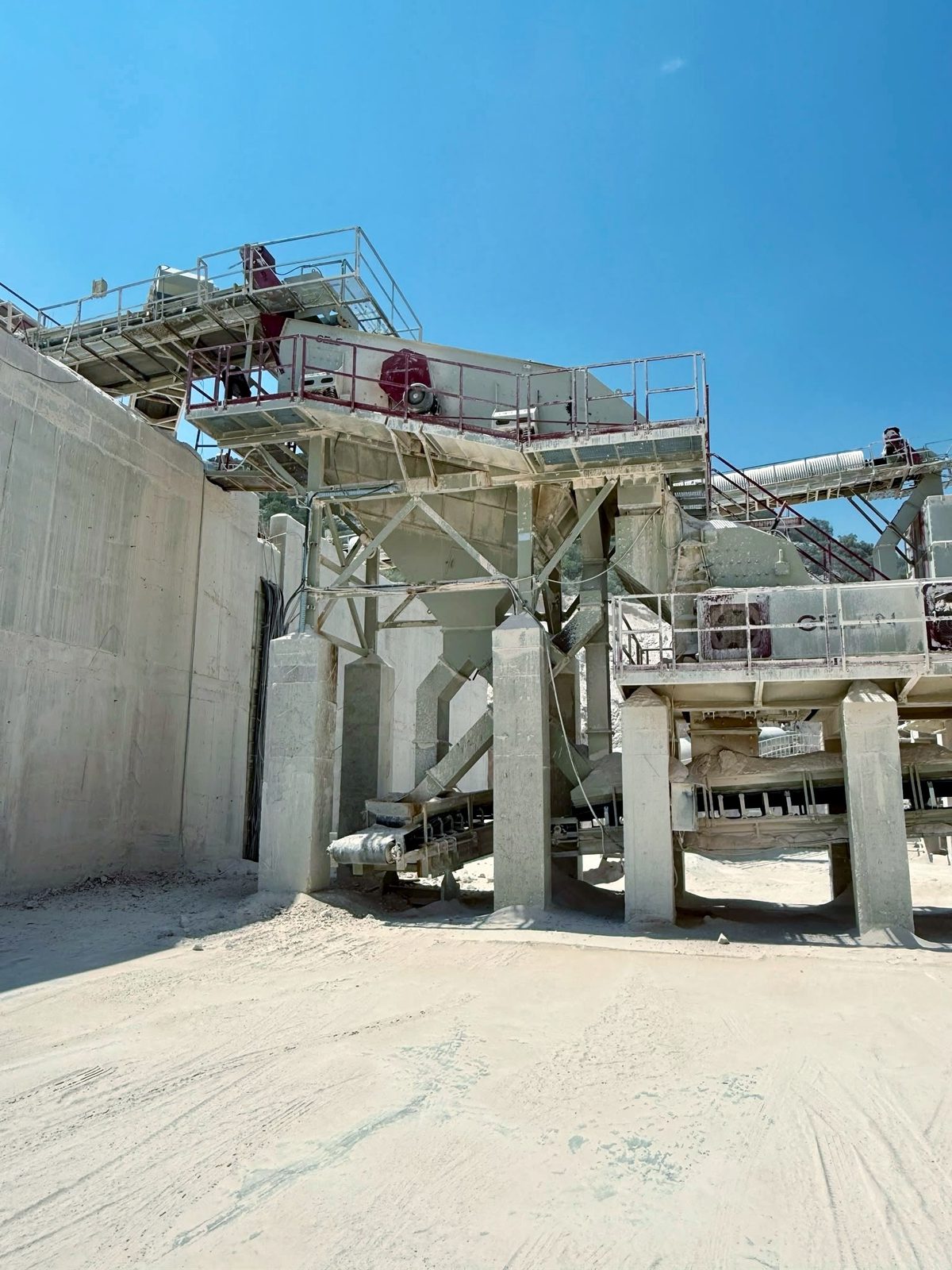
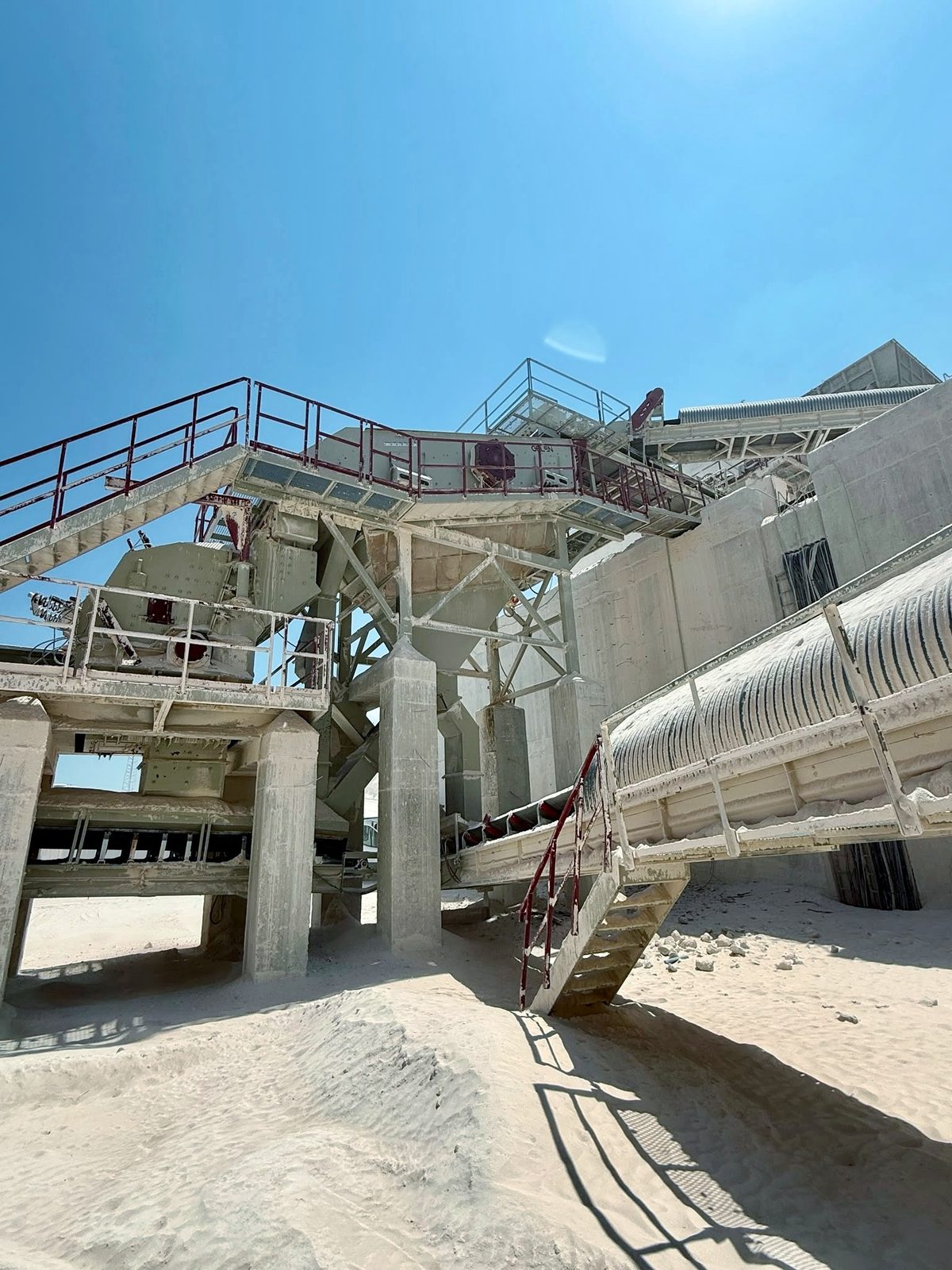
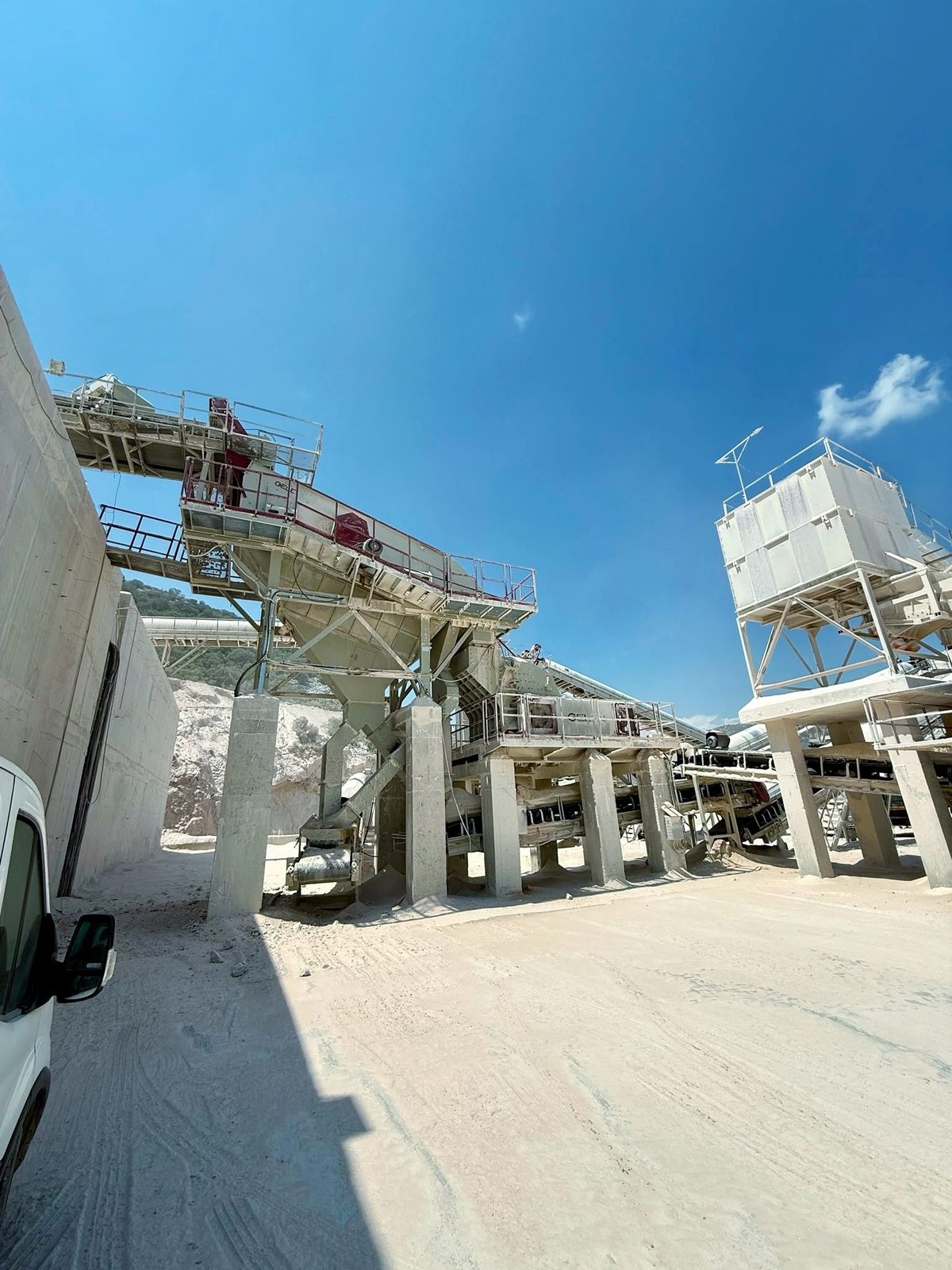
STE series circular-motion screens for general sizing, scalping, wet screening and washing.
- 10 sizes
- 1,000–2,400 mm wide
- 2–4 decks

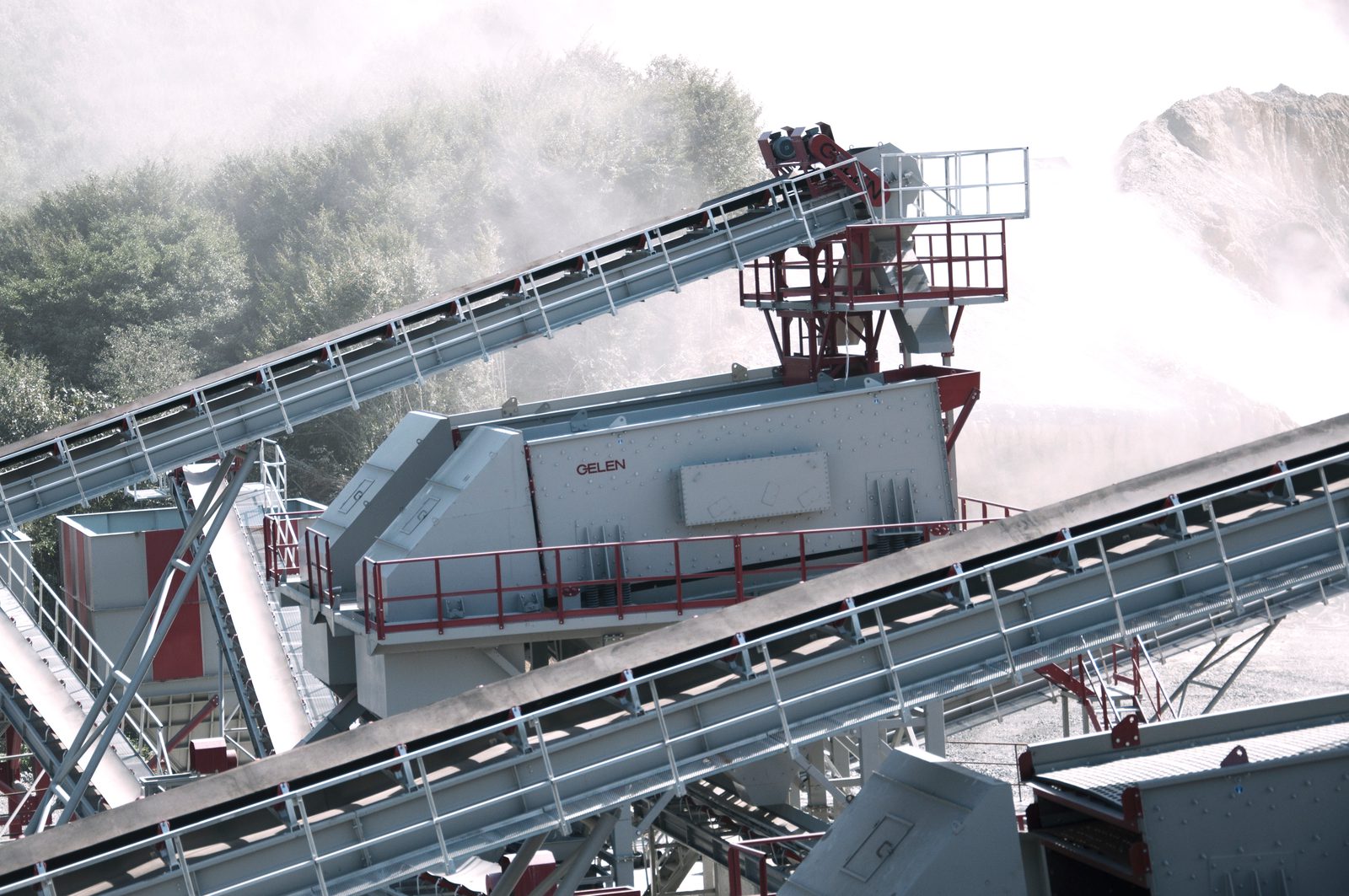
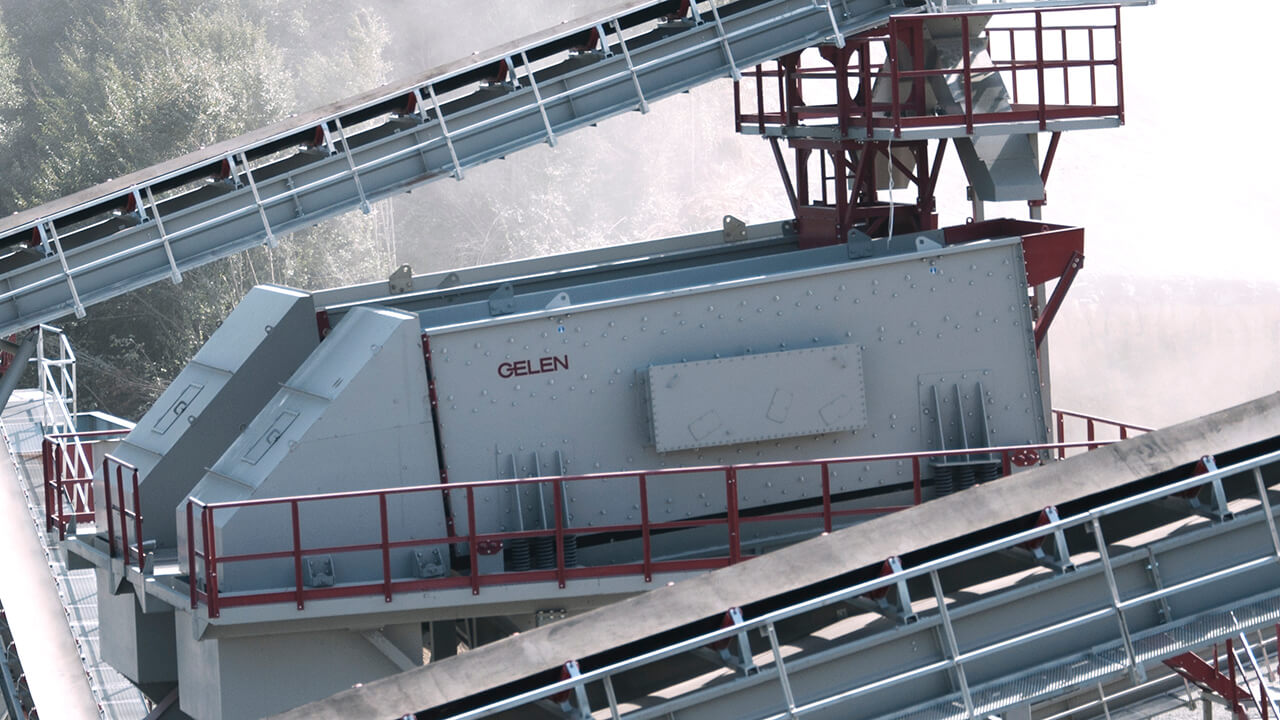
A vibrating screen decides whether every product leaves the plant on specification: it is the screening equipment that sets what each stockpile contains. GELEN builds four screen families: STE inclined screens for general sizing, ITE grizzly screens for primary scalping, ETE horizontal screens for sticky, wet and flaky material, and DD Dual Drive screens — twin-shaft, circular-motion machines for wet, fine and high-capacity duty on a horizontal deck.
Choose the screen by its job in the plant and the material it handles.
STE series circular-motion screens for general sizing, scalping, wet screening and washing.
ITE series heavy-duty screens with grizzly bars or plates for scalping run-of-mine material before the primary crusher.
ETE series triple-shaft screens with adjustable elliptical motion for sticky, flaky and wet material.
DD series twin-motor screens whose two co-rotating shafts drive a circular throw on a horizontal, low-headroom deck.
Screens differ in their motion, their inclination and the duty they are built for. Most plants use more than one type.
| Screen | Motion | Deck angle | Decks | Best for | Typical position |
|---|---|---|---|---|---|
| Inclined screen (STE) | Circular, single shaft at the center of gravity | Inclined (about 15–25°) | 2–4 | General sizing, scalping, wet screening | After the primary and secondary crushers |
| Grizzly screen (ITE) | Circular | Inclined | 2–3 | Scalping large run-of-mine material with grizzly bars or plates | Ahead of the primary crusher |
| Horizontal screen (ETE) | Elliptical, triple shaft geared together | Horizontal | 2–4 | Sticky, flaky and wet material; precise final sizing | Final products, washing plants, low-height installations |
| Dual drive screen (DD) | Circular, two co-rotating shafts in phase | Horizontal | Per duty | Heavy moisture and dewatering, fine and ultra-fine cuts, high capacity | Wet screening, dewatering, fine classification |
Compare in depth: horizontal vs inclined screens, grizzly screen vs vibrating screen and inclined vs horizontal vs banana screens.
GELEN vibrating screens work in aggregate, mining and recycling plants.

Producing road base, asphalt and concrete aggregate fractions from crushed stone and gravel.

Removing fines and soil ahead of the primary crusher with heavy grizzly screens.

Classifying ore and industrial minerals in continuous operation with abrasion-resistant screen media.

Rinsing aggregate with spray bars and screening recycled concrete and asphalt.
What GELEN brings to screening.
Circular throw on inclined decks, elliptical motion from a triple-shaft horizontal box, twin co-rotating shafts for wet and fine cuts — the screen is matched to the feed, not the other way round.
Multi-deck screens produce several finished products in one pass and reduce the number of machines in the plant.
Stroke, speed and inclination on inclined screens, and motion shape and angle on horizontal screens, can be tuned to the application.
Screens can be fitted with spray bars for rinsing and washing plants as well as dry sizing.
Robust screen bodies, spring suspension and wear-resistant media built for continuous quarry and mining work.
GELEN sizes screens together with the crushers, feeders, conveyors and washing equipment around them.
Screens work at every stage: removing fines before crushing, sending oversize back to the crushers and splitting the finished products.
Every circuit is different. Send us yours and we will say where a screen fits and what it changes downstream.
Check my circuit

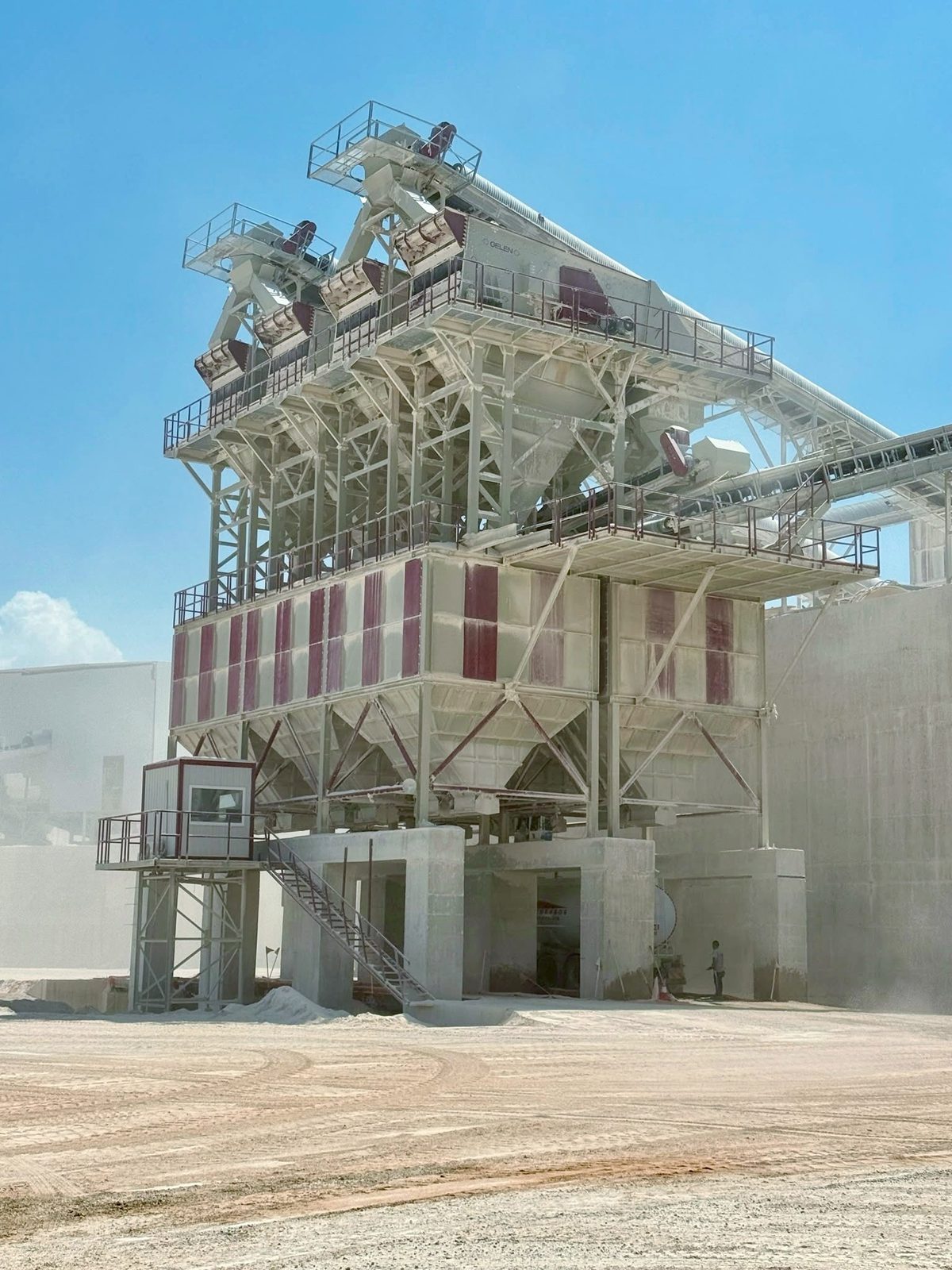
Guides and calculators for screening in aggregate and mining plants.
A vibrating screen separates material by size. It consists of a screen body with one or more decks of screen media, a vibrator mechanism, a drive and spring suspension on a support frame. The vibrator — shafts with counterweights — makes the body move on its springs, which lifts and conveys the material across the decks so that smaller particles pass through the openings and larger ones travel on.
Inclined screens such as the GELEN STE series use a circular motion from a single shaft at the screen body's center of gravity, with the deck at about 15° to 25° so gravity helps move the material; they suit general sizing, scalping and wet screening. Horizontal screens such as the GELEN ETE series use an elliptical motion from three shafts geared together on a horizontal deck; they give precise sizing, handle sticky or flaky material well and need less installation height.
Grizzly screens such as the GELEN ITE series have a heavy top deck of grizzly bars or wear-resistant plates that can take the impact of large run-of-mine material. They remove fines and soil before the primary crusher, which raises crusher capacity, reduces wear and keeps clay out of the product.
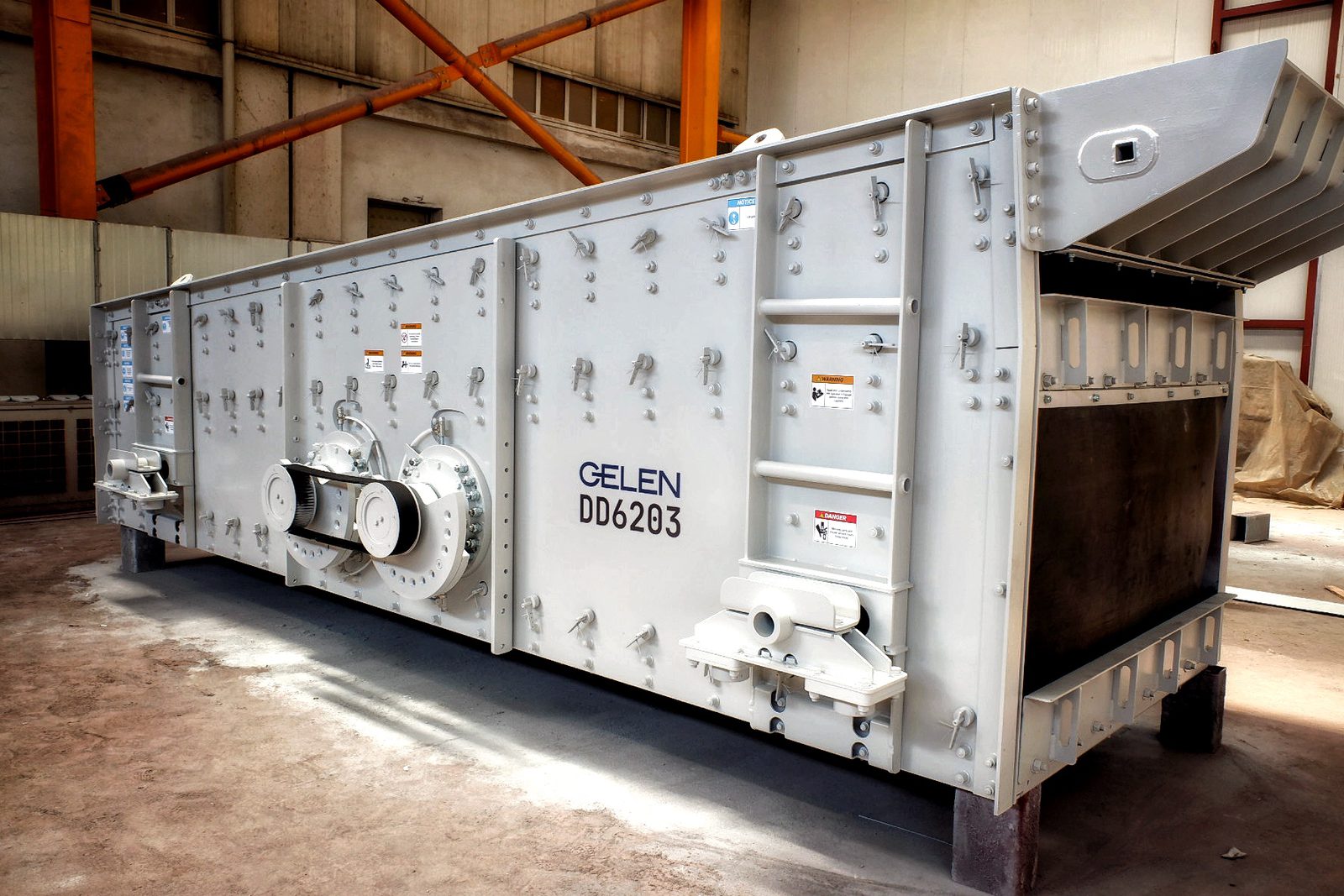
A dual drive screen such as the GELEN DD series is driven by two motors turning two parallel shafts in the same direction, held in phase by a toothed timing belt. In phase, the counterweights on both shafts add into one rotating force and the body runs a circular orbit, with the exciter load and the bearing duty split across two shafts. That lets the machine carry a much larger unbalance than a single eccentric shaft, on a horizontal, low-headroom deck — which is why it suits heavy moisture, dewatering and fine cuts.
One deck per separation: a screen with two decks produces three products, three decks four products, and four decks five. GELEN STE and ETE screens are available with two to four decks, ITE grizzly screens with two or three, and DD dual drive screens are configured for the duty, so the number of decks can match the products the plant sells.
Consider the material (size distribution, moisture, stickiness, abrasiveness), the products and separation sizes you need, the throughput, whether the screening is wet or dry, the available installation height and the screen's position in the plant. The screen's motion type and deck area follow from these. GELEN engineering sizes the screen from your material data.
Inspect and replace worn screen media, check springs and suspension, keep the vibrator bearings lubricated as specified, and check drive alignment and bolted connections. A regular schedule prevents media failures, cracks in the screen body and unplanned stops.
GELEN screens take woven wire mesh, polyurethane panels, rubber panels and, for scalping, grizzly bars. Wire mesh gives the largest open area for dry sizing; polyurethane and rubber last longer in wet and abrasive duty and run quieter; grizzly bars take the impact of large feed. Decks can mix media, for example rubber on the top deck and polyurethane below.
Yes. GSS fine sand screens are horizontal screens in a 6 × 20 ft (1.8 × 6.1 m) package built for 40/70 mesh sand cuts. They run at a nominal 6 g acceleration for sharp separation, take material straight from a dryer with a high-temperature dust seal, and can also work wet. Contact GELEN for sizing.
Send your material, your capacity and the product sizes you need. An engineer answers, not a form.