
Between Plant Machines
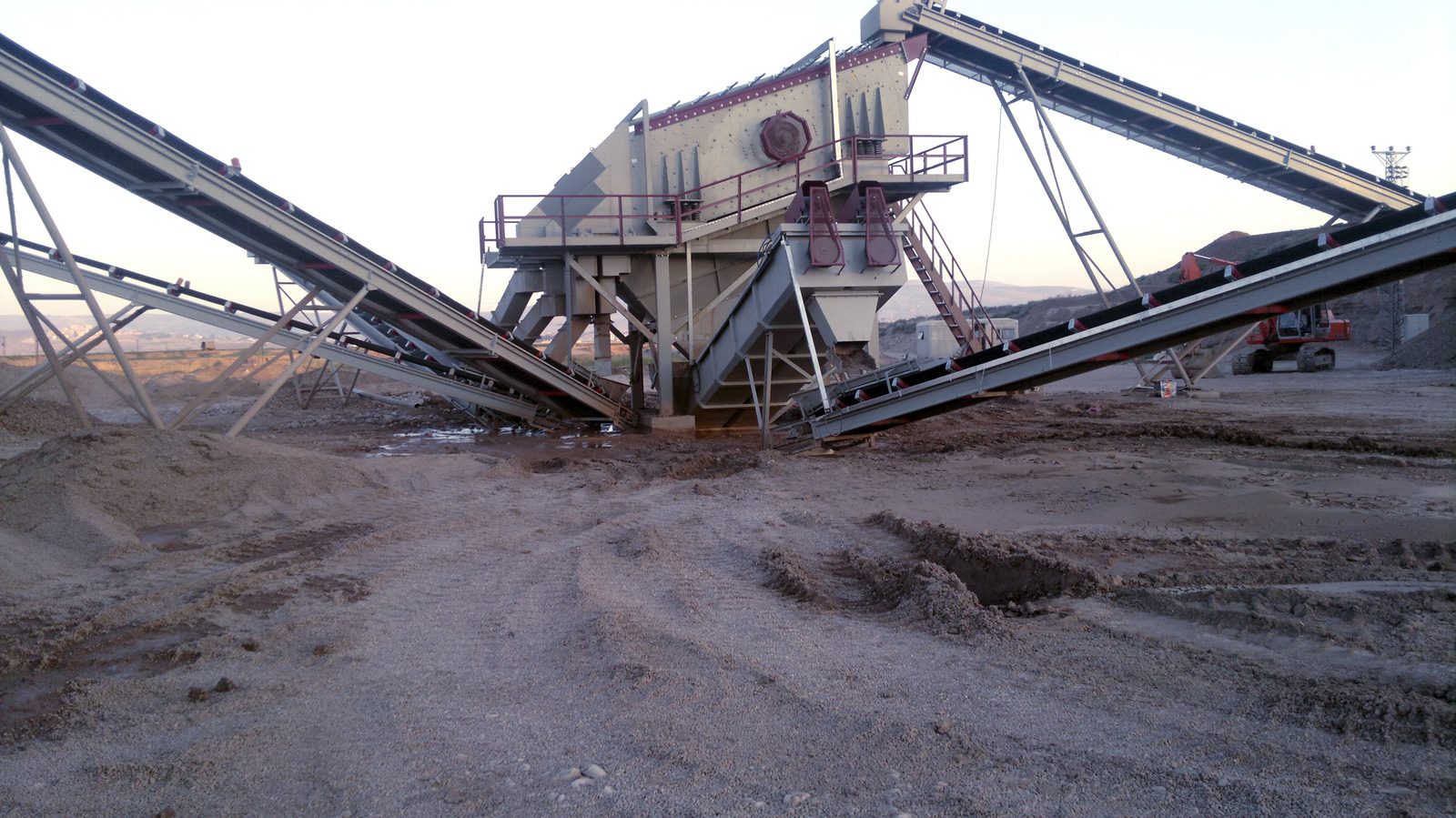
Feed to the crusher, crushed product to the screen, oversize back for a second pass; the belts that hold the circuit together.
- Crusher and screen transfers
- Closed-circuit returns
- Chutes and skirting to suit

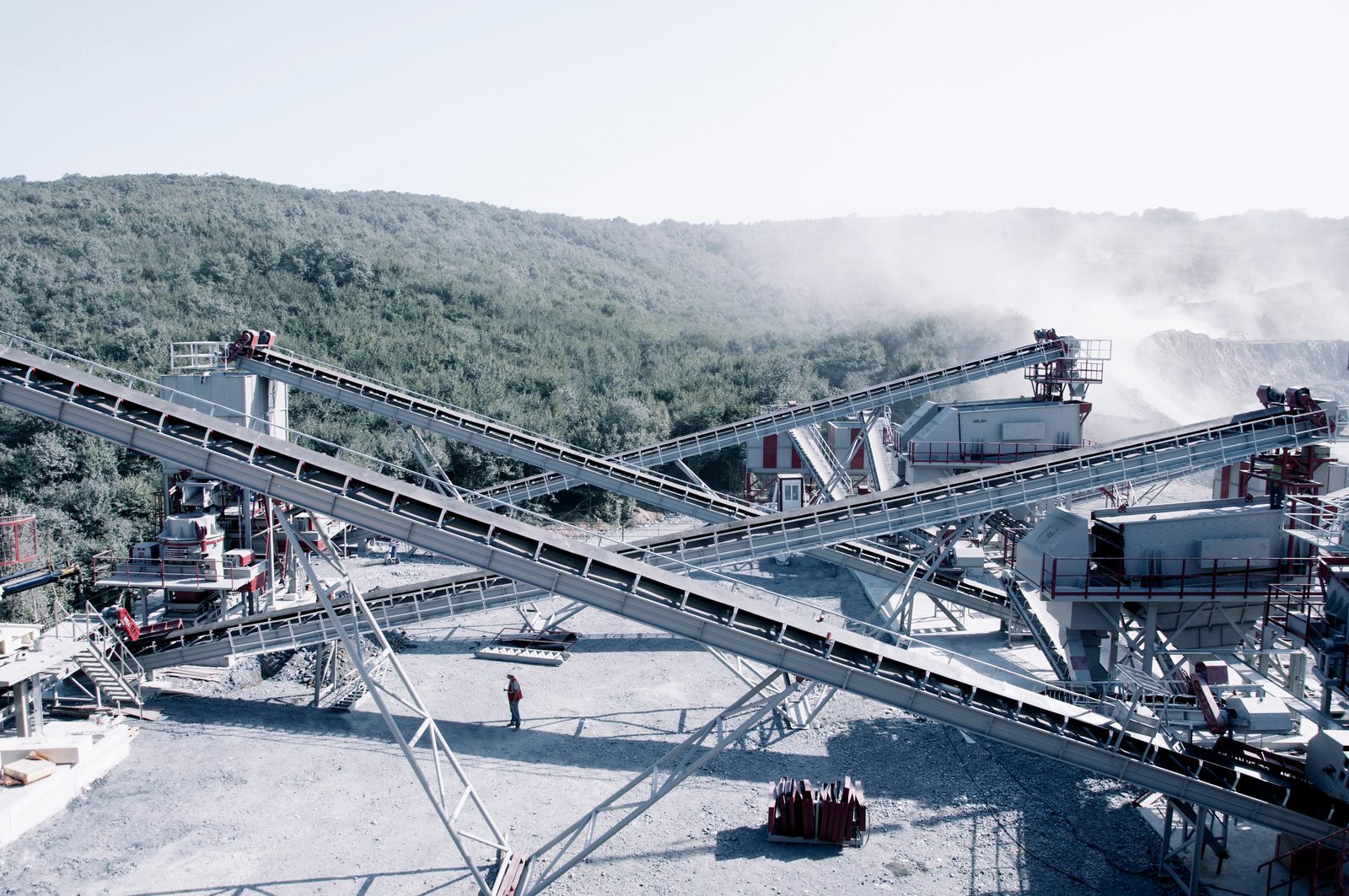
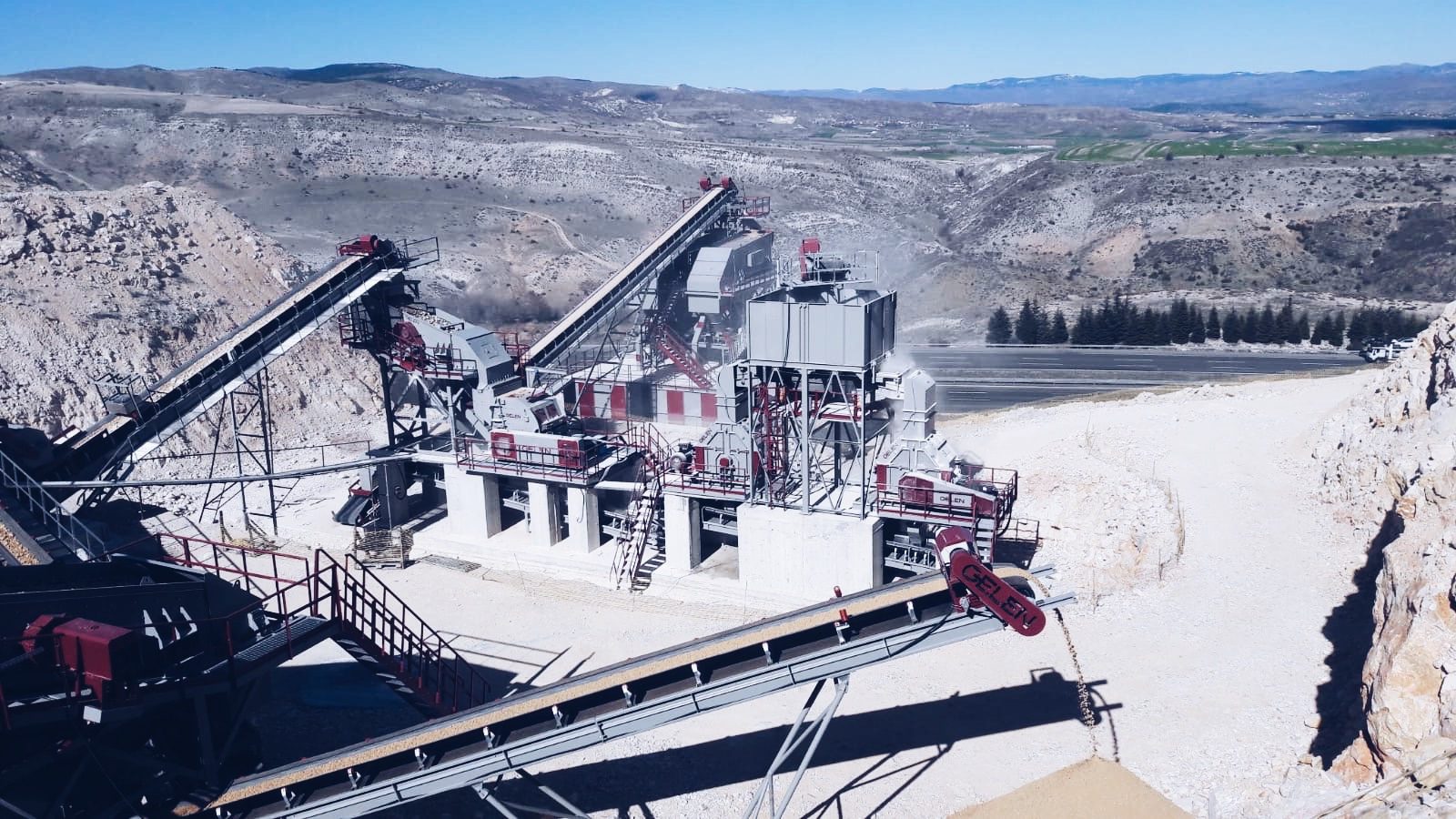
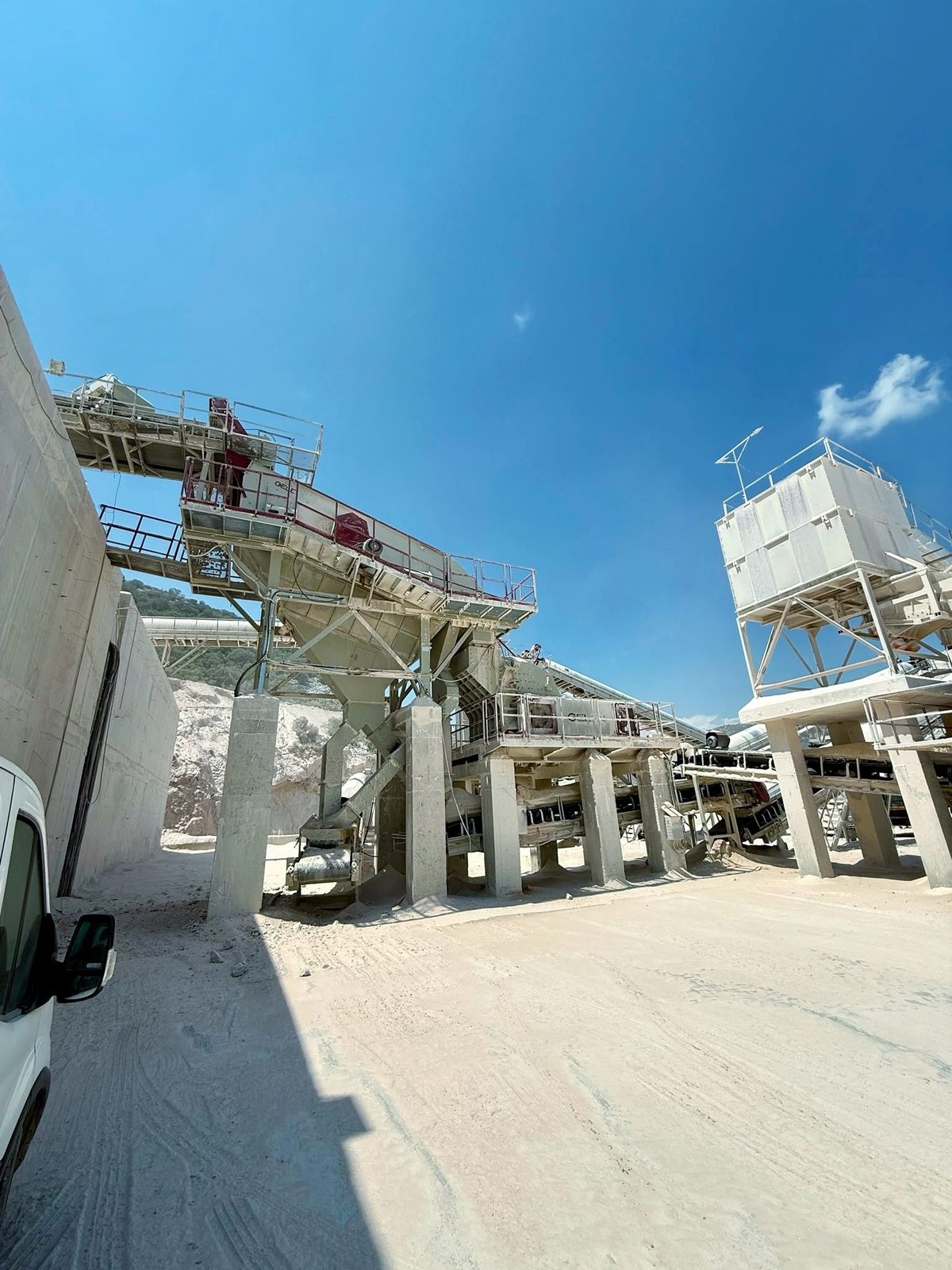
A crushing and screening plant is only as good as the belts between its machines. GELEN belt conveyors carry feed to the crusher, product to the screen and finished aggregate to the stockpile, in aggregate, mining and recycling plants. The structure is built from welded modules, so a line can be set out, extended and maintained on site; impact rollers and bars take the shock at the loading points; and polyurethane belt cleaners and sealing systems come as standard, not as an extra.
Built from welded modules: the frame comes in welded sections rather than as one long weldment, which is what makes a line quick to set out on site, straightforward to extend and easy to align again after a plant is moved.
The loading point is engineered: impact rollers and impact bars sit under the belt where material lands, absorbing the energy that otherwise tears the top cover. This is where belts are lost, and where the cost of a conveyor is decided.
Cleaners and seals are standard: polyurethane cleaners take the carry-back off the belt before the return run, and sealing systems keep fines in the chute instead of under the conveyor.
Designed with the machines it feeds: the conveyors are laid out together with the GELEN crushers, screens, feeders and washing equipment they connect, so transfer heights, chutes and belt paths match the plant.
A BK conveyor is built from welded modules that bolt together. The shortest machine is 6 m — a 3 m tail module and a 3 m drive module — and length is made up from there with middle modules of 1, 2, 3 and 6 m, so a line is set out to the distance the plant needs rather than to a catalogue length. The designation records both numbers: a BK8035 is an 800 mm belt over 35 m between centres.
Belts are built in six widths from 600 to 1,400 mm. The troughing stations are set at 20°, 25° or 30° for the material, and the chassis height — 295, 385 or 495 mm depending on the width — follows the loading and the span. Three kinds share the same components: BK fixed modular conveyors, RBK radial stackers on a pivot leg and travel unit, and NPU-BK conveyors on a single welded channel frame for short, fixed duties.
| Chassis Heightmm | Trough Angle | |
|---|---|---|
| 600 mm | 295 / 385 | 20 / 25 / 30 |
| 650 mm | 295 / 385 | 20 / 25 / 30 |
| 800 mm | 295 / 385 / 495 | 20 / 25 / 30 |
| 1000 mm | 295 / 385 / 495 | 20 / 25 / 30 |
| 1200 mm | 295 / 385 / 495 | 20 / 25 / 30 |
| 1400 mm | 295 / 385 / 495 | 20 / 25 / 30 |
Belt width, chassis height and trough angle are chosen with the plant layout; length runs from 6 m upward in 1, 2, 3 and 6 m modules. Capacity, belt speed and drive power are calculated for each project — they depend on the material, the lump size and the incline.
Belt widths run from 600 to 1,400 mm, lengths from 6 m upward in 1, 2, 3 and 6 m modules, with troughing at 20°, 25° or 30° and chassis heights of 295, 385 or 495 mm. Within those ranges every conveyor is laid out for its plant: the width, the speed, the incline and the length follow from the tonnage, the material, the lump size and the transfer heights of the machines on either end. GELEN engineering sizes the line, the drive and the structure with the crushers, screens and washing equipment it connects, and issues the drawings with the plant layout. Send the tonnage, the material and the plant arrangement and you get the conveyor schedule with it.
Every conveyor is built to its duty. Tell us the tonnage, the lift and the length and we will size one.
Size one for meThe belt carries the material; everything else exists to keep the belt loaded, aligned, tensioned and clean.
Material drops from a chute onto the belt, on impact rollers or bars that absorb the fall, with skirting to keep fines from escaping sideways.
Troughed idler sets carry the loaded belt along the frame at the incline the plant layout needs.
The belt turns over the head pulley and the material leaves into the next chute, bin or stockpile.
Belt cleaners take the carry-back off the belt at the head, and the empty belt runs back on return idlers to the tail.
A take-up keeps the belt at the right tension as it warms, stretches and wears, so the drive can turn it without slip.
Conveyors carry every tonne a plant makes, more than once, in aggregate, mining and recycling operations.
Feed to the crusher, crushed product to the screen, oversize back for a second pass; the belts that hold the circuit together.

Building product stockpiles at the end of the line, where belt length, incline and discharge height set the pile.

Loading trucks and moving material around the site in recycling and construction material yards.
What GELEN puts into a conveyor line.
The structure is built from welded modules that bolt together, so lines are set out quickly, extended later and realigned after a move.
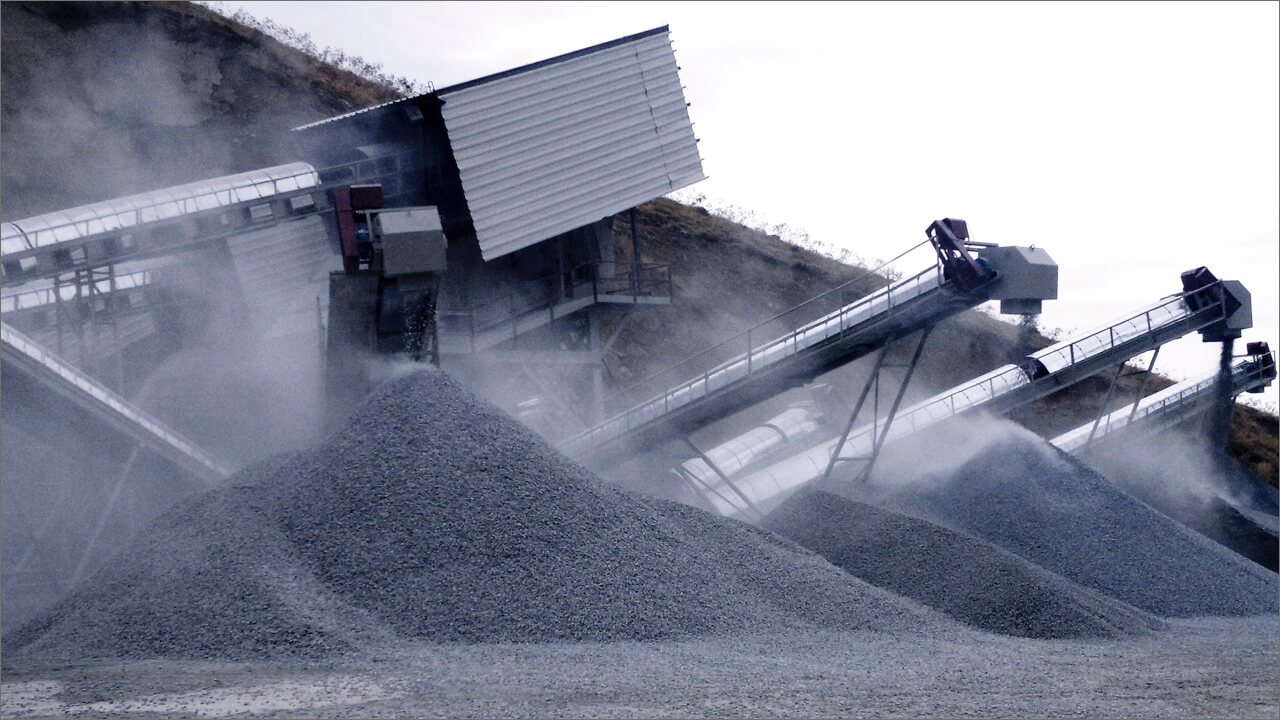
The loading point is supported by impact rollers and bars that absorb the energy of falling material and protect the belt's top cover.
Cleaners strip carry-back off the belt at the head pulley, which keeps the return idlers clean and the material under control.
Sealed and skirted loading points keep fines and dust in the chute rather than on the ground under the belt.
Belt paths, transfer heights and chutes are designed with the crushers, screens, feeders and washing equipment they connect.
The modular frame and standard components keep the belt, idlers, cleaners and take-up reachable for the daily round.
Conveyors connect every stage. A typical line runs from the feeder to the crusher, on to the screens, and out to the stockpiles — with return belts for the oversize.
Every circuit is different. Send us yours and we will say where a conveyor fits and what it changes downstream.
Check my circuit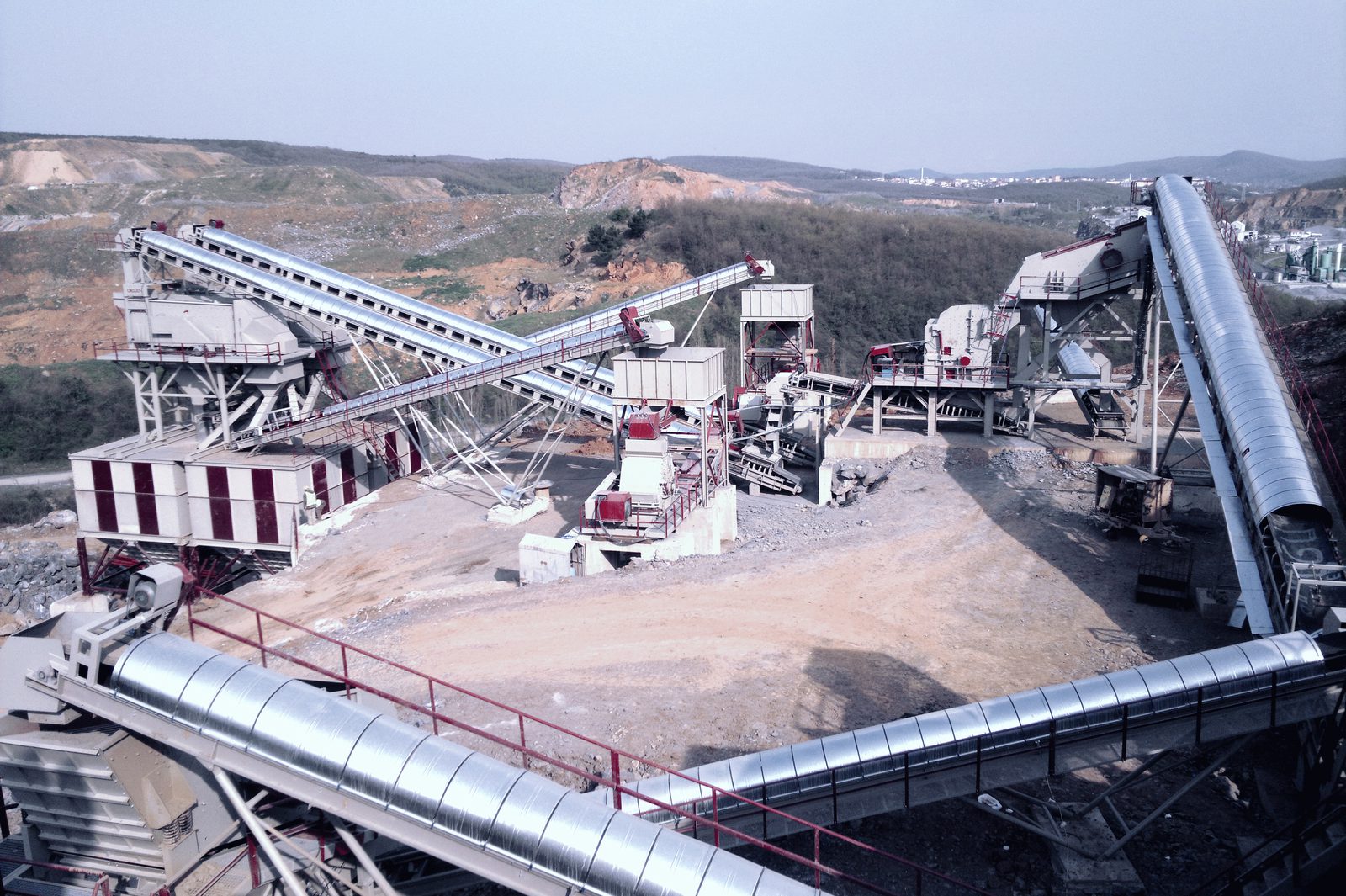
Technical guides and industry organisations for aggregate producers.
The structure is built from welded modular sections. The loading point is supported by impact rollers and impact bars that absorb the energy of falling material, the belt is cleaned by polyurethane belt cleaners, and sealing systems close the transfer so fines stay in the chute. Belt width, length, incline and drive are set for the duty when the plant is laid out.
At the loading point, where lumps fall from a chute and do the most damage. Impact rollers and impact bars sit under the belt there and absorb the energy of the falling material, so the top cover is not cut or punched through. Skirting and sealing keep the load centred and the fines contained while the material settles onto the belt.
A belt carries a film of material back on its underside after discharge — carry-back. It builds up on the return idlers and pulleys, makes the belt track badly and ends up on the ground. A cleaner blade at the head pulley scrapes it off while it is still wet. GELEN fits polyurethane blades as standard: they clean without the aggressive wear a steel blade puts on the belt cover.
Yes. The frame is built as welded modules that bolt together, which is the reason for the modular design: sections can be added as a stockpile area grows, and a line can be taken apart and set out again when a plant is moved to a new site.
From the tonnage it has to carry, the material and its lump size, the distance and the height it has to climb, and the machines at either end. Those set the belt width, the speed, the incline and the drive power. GELEN engineering sizes the conveyors together with the crushers, screens and washing equipment, so the transfer points match and the belts are never the bottleneck.
Belts are built in six widths — 600, 650, 800, 1,000, 1,200 and 1,400 mm. The shortest machine is 6 m, a 3 m tail module with a 3 m drive module, and longer lines are made up with middle modules of 1, 2, 3 and 6 m, so the length matches the plant rather than a catalogue step. Troughing stations are set at 20°, 25° or 30°, and the chassis height is 295, 385 or 495 mm depending on the belt width.
The belt width and the length. BK is the fixed modular conveyor, 80 is the belt width in the first two digits — 800 mm — and 35 is the centre-to-centre length in metres. An RBK is the radial stacker version and an NPU-BK is built on a single welded channel frame instead of bolted modules.
A daily look at belt tracking, the cleaner blade, the skirting seal and the idlers, and a routine check of the drive and the take-up. Most conveyor problems announce themselves early: material under the belt means a seal or a cleaner needs attention, and a belt that runs off centre usually means the load is off centre or an idler is out of line.
Send your material, your capacity and the product sizes you need. An engineer answers, not a form.