
Short-Term Contracts
Road, dam and infrastructure work where the crushing has to start quickly and end when the job does.
- Fast set-up
- Moves with the contract
- Single units or a train

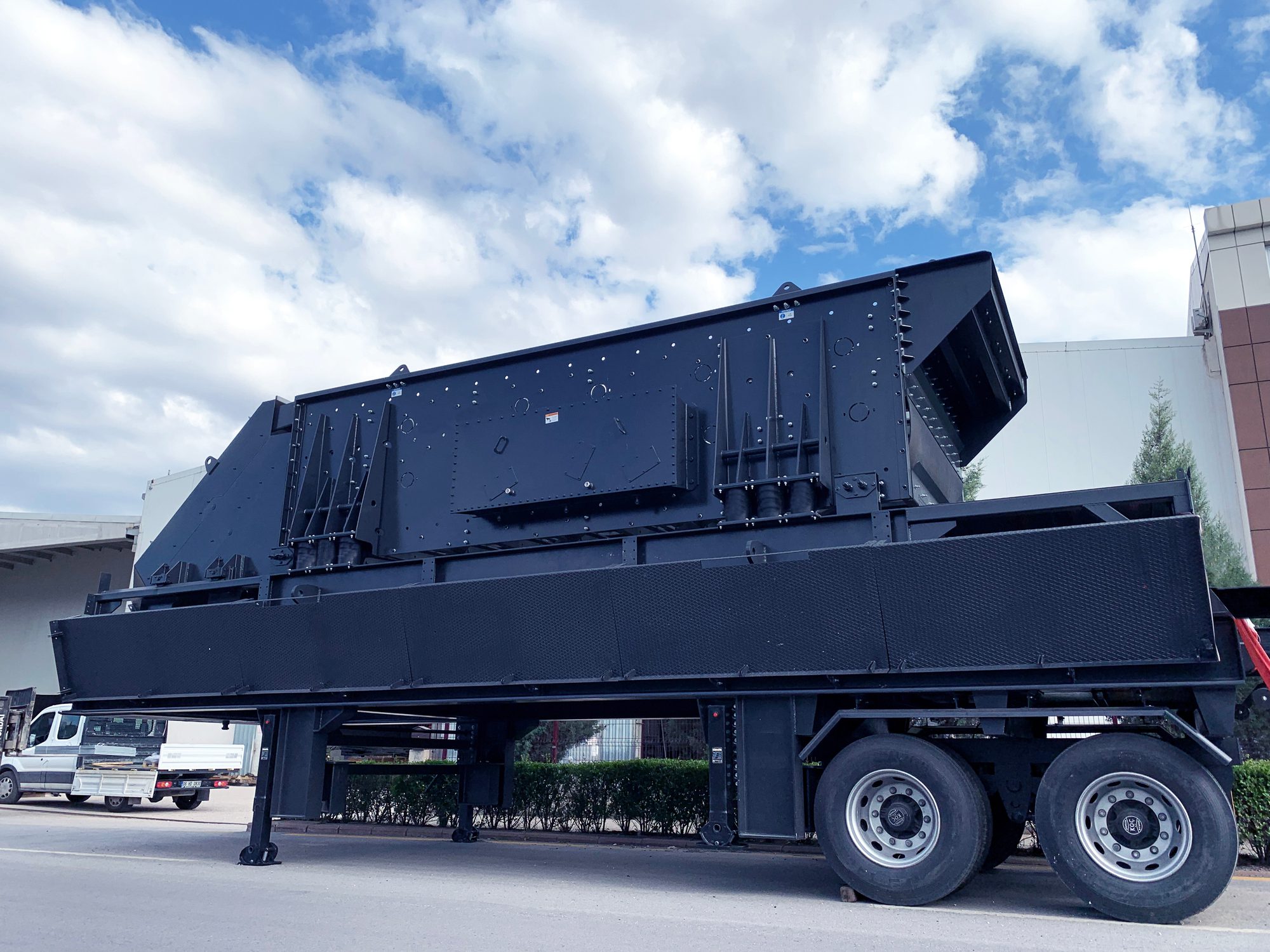
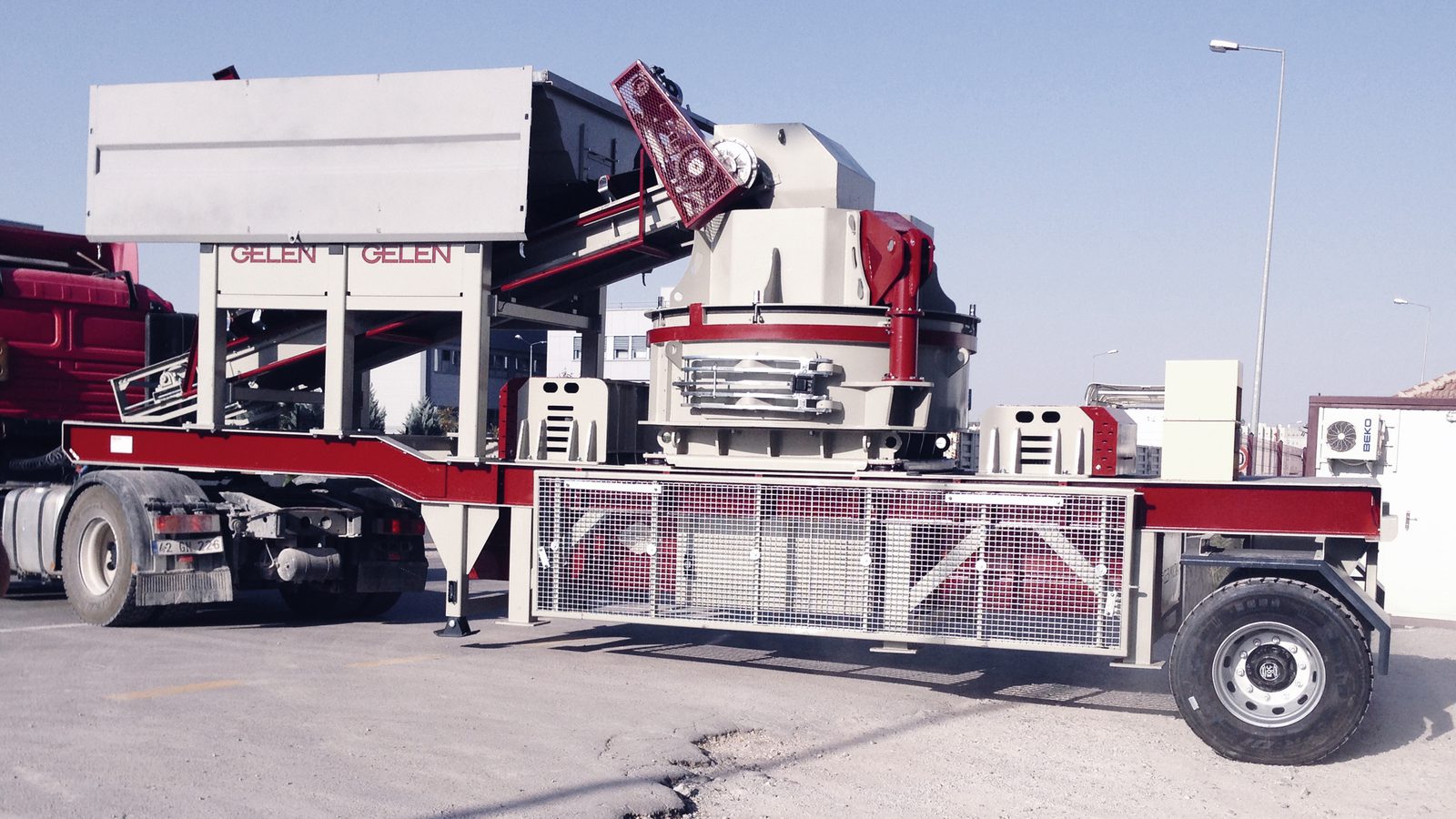
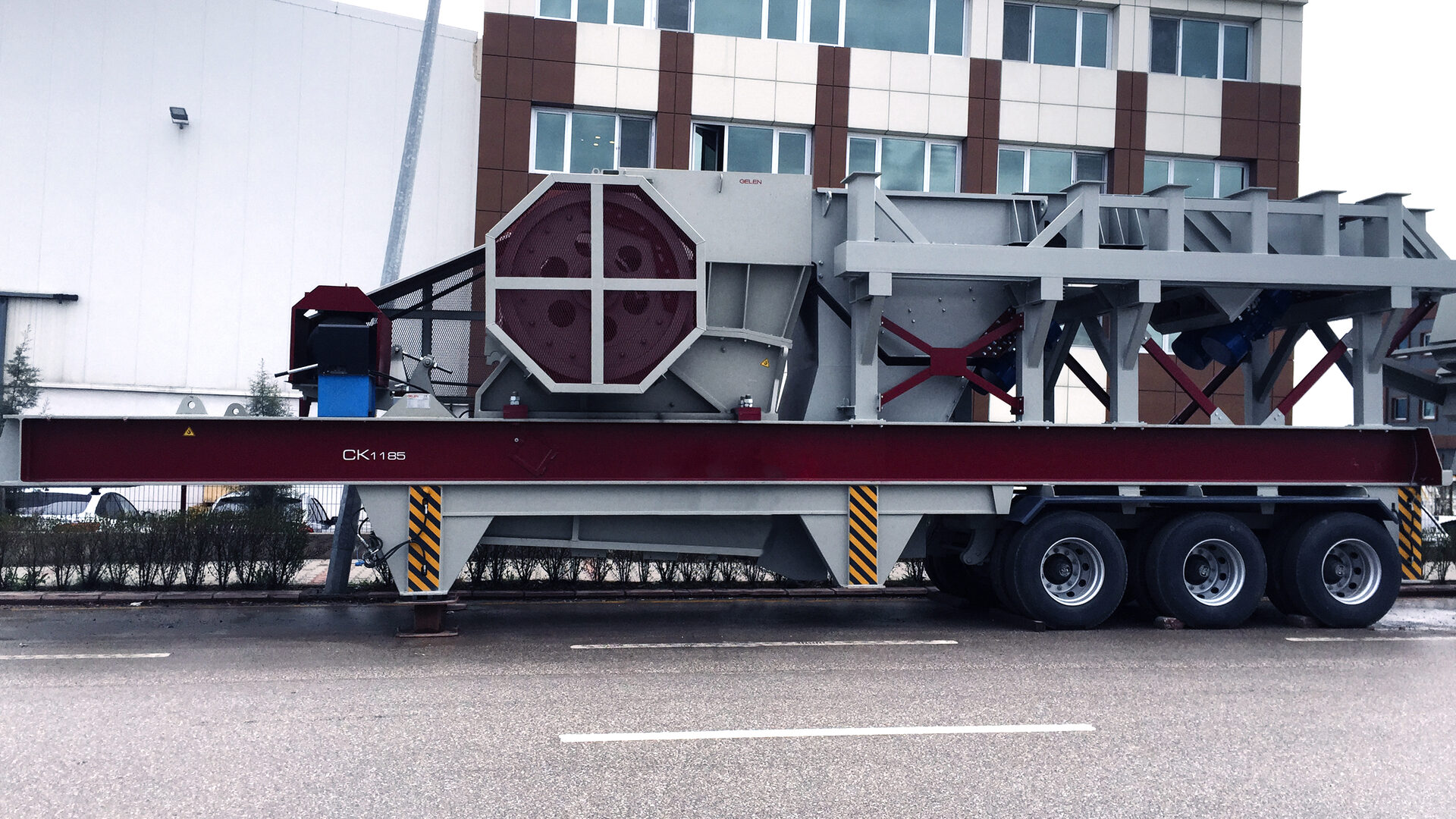
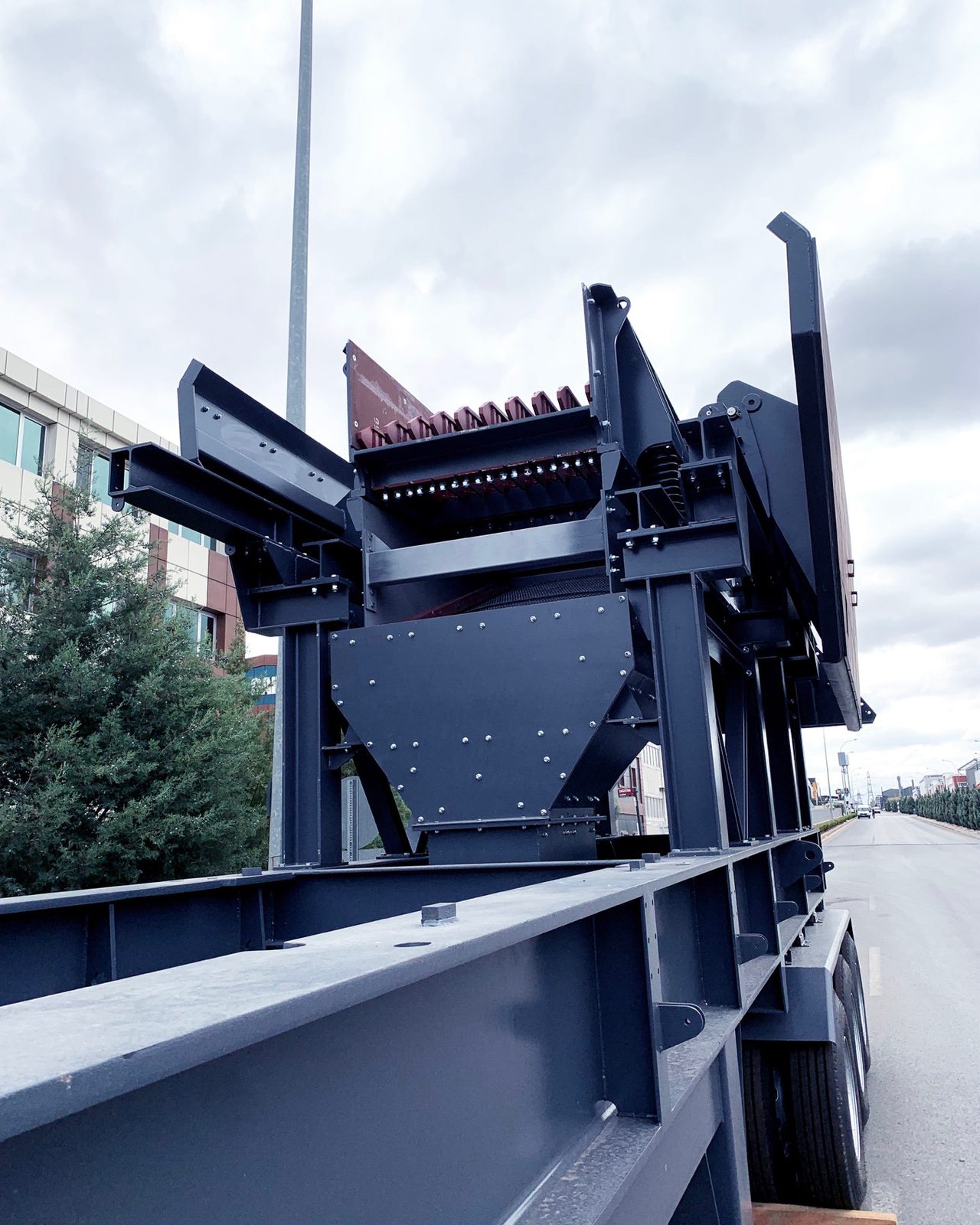
On a short contract, the plant that starts producing first wins. GELEN has built hundreds of mobile and semi-mobile units on rubber wheels over the years, and most GELEN crushing and screening machines can be mounted on a mobile chassis within the regulatory limits for road transport. That covers a single machine towed to the next pit, and a complete crushing and screening train that moves with the job.
The same machines, on wheels: a mobile unit carries the GELEN crusher, screen or feeder that a fixed plant would use, so capacity and wear parts are the ones you already know, not a lighter machine built only for transport.
Designed around the road limits: the chassis is laid out so the finished unit stays within the regulatory limits for transport, which is the constraint that decides what can go on one trailer.
Pre-assembled before it ships: the machine, its drive and its structure travel together as a unit, so site work is setting up and connecting rather than erecting a plant from parts.
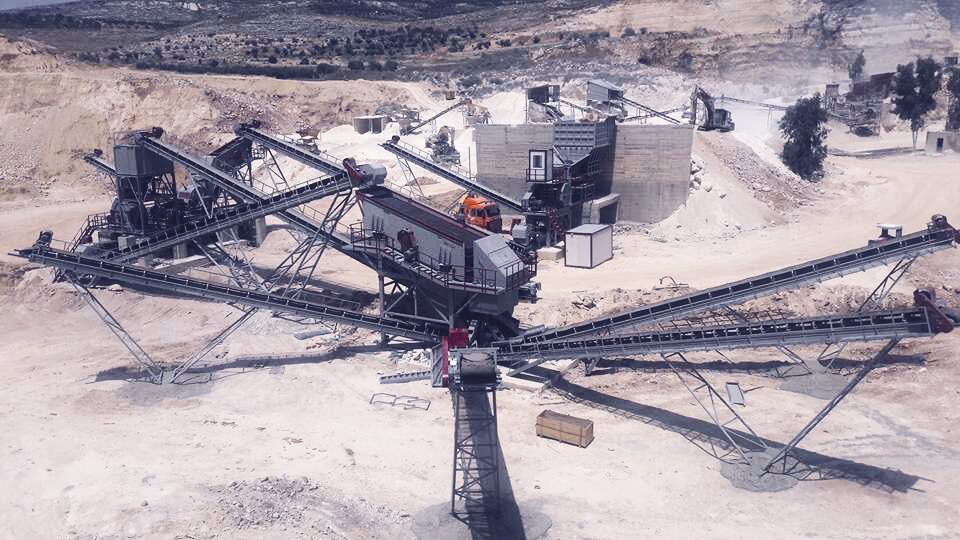
Grows into a plant: units are combined into a complete mobile train — feed, crushing, screening and stockpiling — when the contract needs a whole plant rather than one machine.
Mobile units are built around the machine they carry. Most GELEN crushing and screening equipment can be mounted on a chassis: jaw crushers for primary work, impact and cone crushers for secondary and tertiary stages, vibrating screens for sizing and feeders for controlled feed. The unit is specified for the project — which machines, how many chassis, and how they are fed and discharged. Send GELEN engineering the material, the tonnage and the products you need, and the configuration and its road transport limits are worked out with the plant layout.
Every mobile plant is built to its duty. Tell us the material, the product sizes you need and the tonnage and we will size one.
Size one for meWhat happens between choosing a mobile unit and the first tonne it produces.
The crushing and screening stages are chosen exactly as for a fixed plant, from the material, the feed size and the products.
Each machine is arranged on a chassis with its drive and structure, within the regulatory limits for road transport.
The unit travels assembled, so what arrives on site is a machine on wheels rather than a set of parts.
The unit is positioned, levelled and supported, connected to power and to the next unit in the train.
When the contract ends, the units are prepared for transport and moved to the next site.
Mobile plant suits work that does not stay in one place, in aggregate, mining and recycling.
Road, dam and infrastructure work where the crushing has to start quickly and end when the job does.

Pits and benches worked in sequence, where the plant follows the face instead of the material travelling to the plant.

Crushing concrete and demolition material where it arises, so material is processed on site rather than hauled away.
What a GELEN mobile unit gives an operation.
Units are built on rubber wheels, so they can be towed between sites and positioned without a crane on arrival.
Chassis are laid out so the finished unit respects the regulatory limits for road transport.
The crusher, screen or feeder on the chassis is a GELEN production machine, with the same wear parts and service points.
One machine on a chassis, or a full mobile train of feeding, crushing, screening and stockpiling units.
Units arrive pre-assembled, so site work is positioning, levelling and connecting rather than building a plant.
Hundreds of mobile and semi-mobile units delivered over the years, in aggregate, mining and recycling operations.
A mobile plant follows the same circuit as a fixed one: controlled feed, primary crushing, sizing and a second crushing stage where the product needs it. The jaw crusher, cone crusher and screens are the same machines as in a fixed plant.
Every circuit is different. Send us yours and we will say where a mobile plant fits and what it changes downstream.
Check my circuitThe machines are the same; what differs is how often the plant moves and what that costs in set-up.
| Mobile Unit | Semi-Mobile Unit | Fixed Plant | |
|---|---|---|---|
| Moves | Between sites on rubber wheels | Relocated within a site or between campaigns | Stays where it is built |
| Set-up | Position and level the unit | Set down and connect | Civil works and erection |
| Best for | Short contracts and moving work | Long campaigns in one area | Long-term production |
| Machines | GELEN crushers, screens and feeders on a chassis | The same machines on skids or a relocatable structure | The full range including washing and mixing plants |
Not sure which one? Send us the duty and an engineer will say which, and what you would give up by choosing the other.
Which one fits?
Technical guides and industry organisations for aggregate producers.
Speed and flexibility. A mobile unit arrives assembled on rubber wheels, is positioned and levelled rather than erected, and moves again when the contract ends. That suits short-term projects, sites that work several pits in sequence, and recycling where the material is crushed where it arises instead of being hauled away.
Most of the crushing and screening range: jaw crushers for primary duty, impact and cone crushers for secondary and tertiary stages, vibrating screens and feeders. The limit is the regulatory one for road transport, which is what decides how big a machine can travel on one chassis.
Yes. Units are combined into a mobile train — a feeder unit, a primary crushing unit, a screen unit and a second crushing stage — so a whole circuit moves with the job. Equally, a single unit can be added to an existing plant when one stage needs more capacity.
The machines are the same; what changes is the structure under them and how the plant is set up. A fixed plant needs civil works and erection and then stays put, which suits long-term production. A mobile unit trades that for the ability to move, and is normally chosen when the work is short, remote, or moves between pits.
A mobile unit is built to travel on its own wheels between sites. A semi-mobile unit is relocatable but not designed for frequent road moves: it is set down for a campaign and shifted when the working area changes. GELEN has built both, in the hundreds, over the years.
Site work is positioning, levelling and supporting the unit, connecting power and lining it up with the next machine in the train, because the unit ships pre-assembled. The actual time depends on the site, the number of units and the power supply — GELEN gives the commissioning plan with the layout for the project.
Send your material, your capacity and the product sizes you need. An engineer answers, not a form.