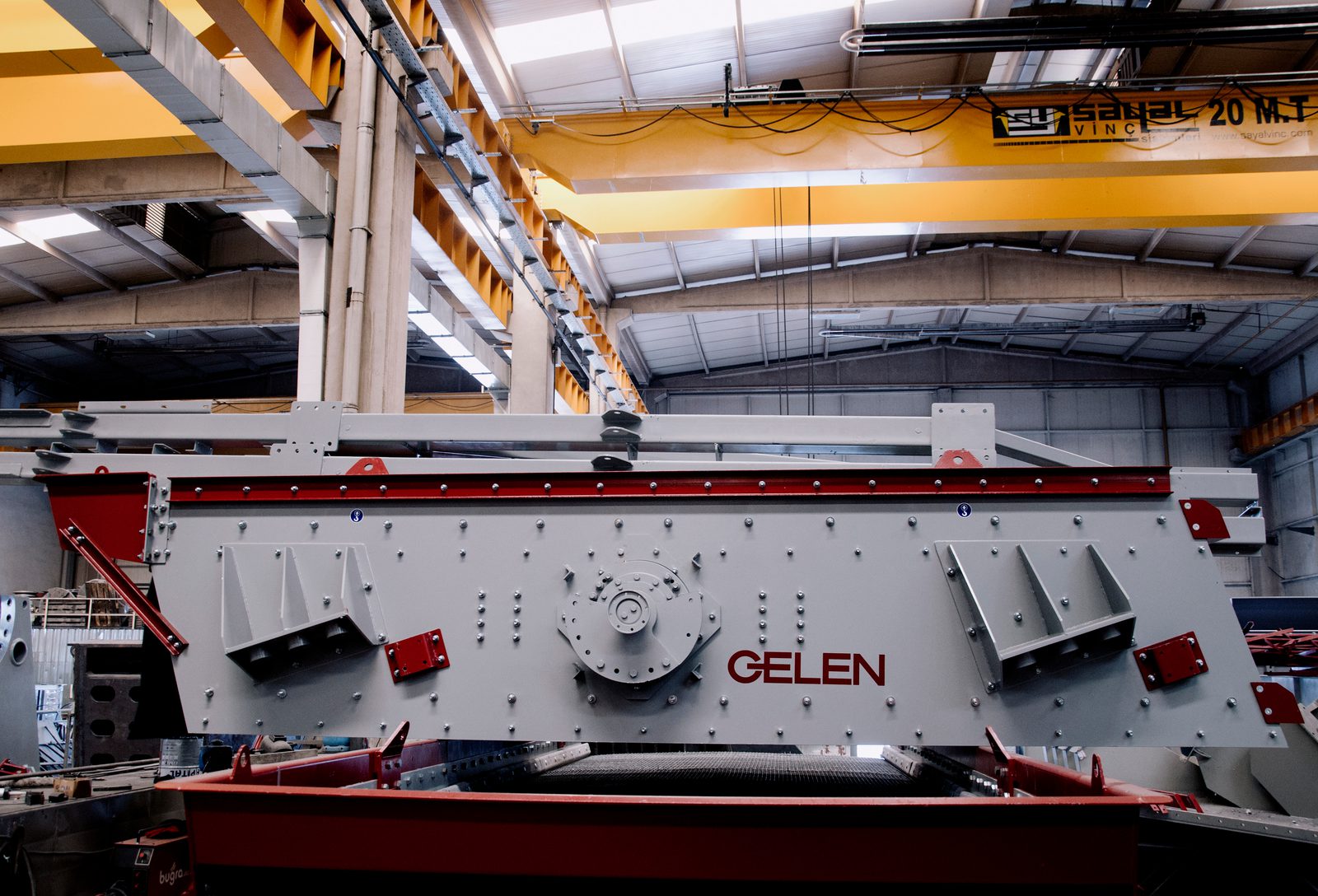
Quick Decision Matrix
| Application | Horizontal | Inclined | Banana |
|---|---|---|---|
| Wet/sticky material | Best | Poor | Fair |
| Fine sizing (<10mm) | Best | Poor | Fair |
| High capacity (>500 t/h) | Fair | Best | Best |
| Limited headroom | Best | Poor | Poor |
| Mobile plants | Best | Fair | Poor |
| 4+ fractions | Best | Fair | Fair |
How Motion Type Affects Performance
Elliptical Motion (ETE Series - Horizontal)
- Longer material retention time ensures more sizing opportunities.
- Exceptional blinding reduction compared to standard strokes.
- Best for: sticky, wet, and flaky feeds.
Circular Motion (STE Series - Inclined)
- Relies heavily on gravity for high throughput.
- Simple maintenance profile.
- Best for: dry, coarse aggregates and bulk sorting.
Linear Motion (Banana)
- Multi-slope efficiency designed to thin out deep beds rapidly.
- Ultra-high capacities in massive operations.
- Best for: iron ore, high-tonnage bulk materials.
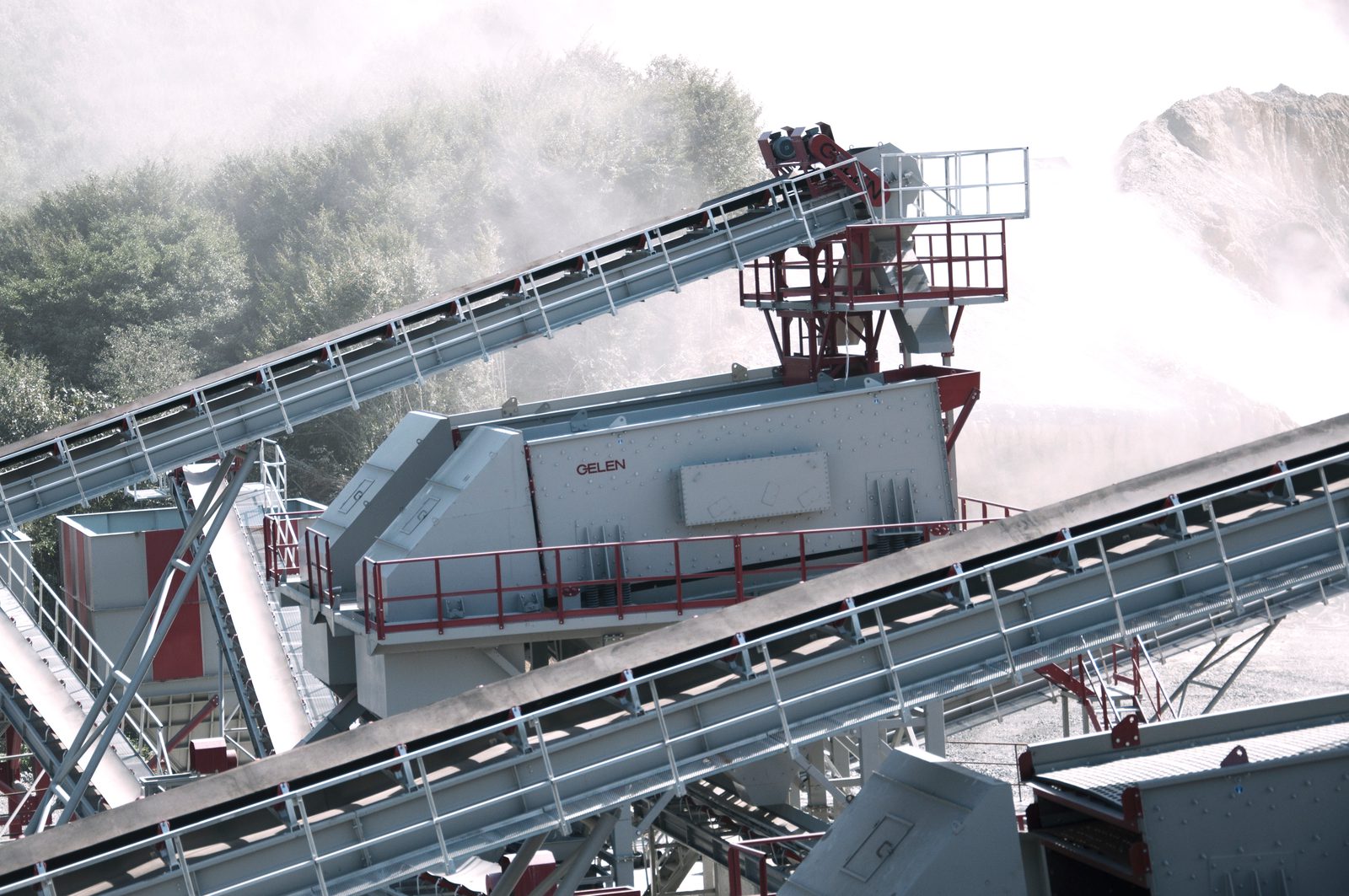
Real-World Selection Scenarios
Scenario 1: Quarry with 15% Moisture
- Problem: Blinding on inclined screen.
- Solution: ETE horizontal with 35° ellipse.
- Result: 40% efficiency gain with significant drop in blinding.
Scenario 2: Mobile Crushing Plant
- Constraint: 3.5m height limit for transportation.
- Solution: ETE1860 horizontal screen.
- Result: Fits transport envelope without structural rebuilding.