

Cone Crusher Maintenance Schedule: A Practical Guide for Operators
Why Cone Crusher Maintenance Matters
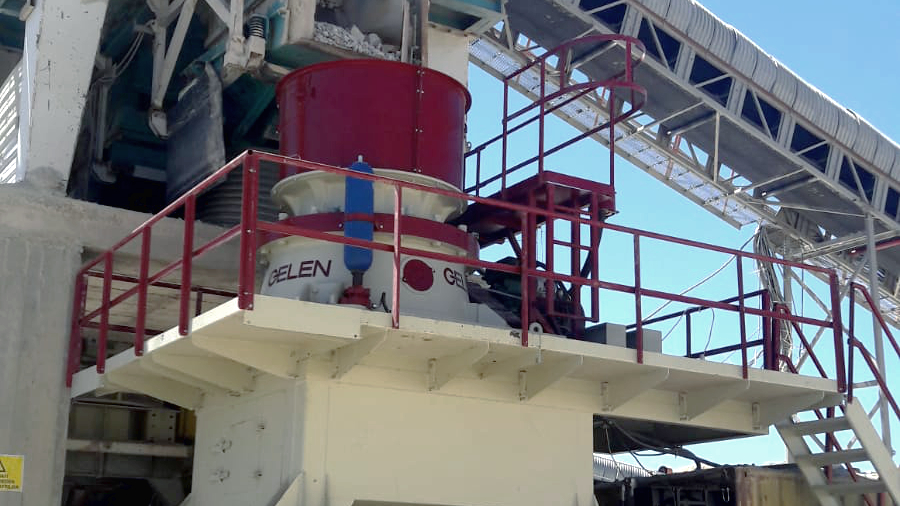
A cone crusher is one of the hardest-working machines in any aggregate or mining operation. It runs under enormous loads, processes abrasive material hour after hour, and is expected to deliver a consistent product size with minimal downtime. When maintenance is neglected, the consequences are immediate and expensive.
Unplanned downtime on a cone crusher can cost between $2,000 and $10,000 per hour when you factor in lost production, idle labor, downstream equipment sitting empty, and the rush delivery of replacement parts. For a plant running two shifts, even a single eight-hour breakdown can wipe out the profit margin of an entire week.
The math behind preventive maintenance is straightforward. Operations that follow a structured cone crusher maintenance schedule typically see 30% less wear-part consumption compared to those that run equipment reactively. Liners last longer because they wear evenly. Bearings survive longer because oil stays clean and at the correct temperature. Hydraulic systems hold pressure because seals are inspected before they fail, not after.
Beyond cost savings, a well-maintained cone crusher produces a more consistent product. Worn liners and drifting CSS settings lead to oversized material, recirculating loads, and increased energy consumption. In short, every dollar you invest in preventive maintenance comes back as lower cost per ton, higher throughput, and fewer emergency shutdowns.
Daily Checks (Each Shift)
Daily inspections are the foundation of any effective cone crusher maintenance program. These checks take only 15 to 20 minutes per shift but catch the early warning signs that prevent catastrophic failures. Every operator should complete the following before and during each shift:
Lubrication Oil Level and Temperature
Check the oil level in the lubrication tank before startup. The oil should be visible in the sight glass and within the marked range. During operation, monitor the oil return temperature closely. For most cone crushers, the acceptable oil temperature range is 35 to 55 degrees Celsius. If the return oil temperature exceeds 60 degrees Celsius, shut the crusher down and investigate immediately. High oil temperature usually indicates a bearing problem, insufficient oil flow, or a cooler malfunction.
Hydraulic Pressure
Verify that the hydraulic system is holding the correct clamping pressure. A drop in pressure can mean a leaking seal, a failing accumulator bladder, or a valve issue. Low clamping pressure allows the bowl to lift under load, leading to ring bounce, inconsistent product size, and accelerated liner wear. Record the gauge reading at the start of each shift and compare it with the baseline from the last maintenance service.
Feed Distribution
Observe how material enters the crushing chamber. The feed should be evenly distributed around the full circumference of the crushing cavity. Uneven feed causes one side of the liner to wear faster than the other, reduces throughput, and places unbalanced loads on the main shaft and bearings. If material is consistently falling to one side, adjust the feed arrangement or check the distributor plate for wear.
Unusual Noise and Vibration
Listen to the crusher during operation. An experienced operator can detect developing problems by sound alone. A metallic knocking may indicate tramp iron in the chamber. A rhythmic thumping could signal ring bounce. High-pitched squealing may point to a dry bearing or belt slippage. Any noise that deviates from the normal operating sound should be investigated before continuing production.
Weekly Maintenance Tasks
Weekly tasks go a step deeper than daily checks and address components that wear or drift over the course of five to seven operating days. Schedule these during a planned short stoppage, ideally at the end of a shift when the crusher has been emptied of material.
Grease All Lubrication Points
Apply grease to the spider bearing, the head ball, the countershaft bushings, and any other points specified in the manufacturer's manual. Use the correct type and grade of grease. Over-greasing is just as harmful as under-greasing because excess grease traps heat and contaminants. Follow the recommended number of pump strokes or grams per point.
Inspect V-Belts
Check the drive belts for tension, alignment, and surface condition. Belts that are too loose slip under load, generate heat, and wear prematurely. Belts that are too tight overload the countershaft bearings. Look for cracks, fraying, or glazing on the belt surfaces. Replace belts in matched sets to avoid uneven loading.
Verify CSS (Closed Side Setting)
The closed side setting determines the product size and directly affects throughput and power draw. Liner wear causes the CSS to open gradually, meaning the product gets coarser over time if the setting is not corrected. Use a lead ball or dedicated measuring device to check the CSS at multiple points around the chamber. Adjust the bowl position as needed to bring the CSS back to the target value.
Inspect Dust Seals
Dust seals prevent fine material and water from entering the lubrication system and the internal bearings. Check the seals for tears, excessive wear, or gaps. Contaminated oil is the single most common cause of premature bearing failure in cone crushers. A small investment in seal inspection and replacement can save tens of thousands in bearing repairs.
Monthly Maintenance Tasks
Monthly maintenance involves more detailed inspections and measurements that require the crusher to be fully stopped and locked out. These tasks help you plan ahead for liner changes, bearing replacements, and other major services so that nothing comes as a surprise.
Liner Wear Inspection
Measure the remaining thickness of both the mantle and the concave at multiple points. Record the measurements on a wear tracking chart so you can predict when the liners will need to be replaced. Ideally, liners should be changed when they reach the manufacturer's minimum thickness, not when they break or fall out of the crusher. Running liners past their useful life risks damage to the head and bowl, which are far more expensive to repair. For a step-by-step procedure on changing liners, see our cone crusher liner replacement guide.
Eccentric Bearing Clearance
Check the inner and outer eccentric bearing clearances using feeler gauges or the method described in the service manual. Bearings that have worn beyond the allowable clearance will cause excessive shaft movement, uneven liner wear, and eventually catastrophic failure. If the clearance is approaching the upper limit, plan a bearing replacement during the next scheduled shutdown rather than waiting for a breakdown.
Hydraulic Oil Analysis
Take a sample of the hydraulic oil and send it to a laboratory for analysis. The lab report will reveal the oil's condition, including viscosity, water content, particle count, and the presence of metal particles. Elevated levels of copper or bronze particles indicate bushing wear. Iron particles suggest gear or shaft wear. Regular oil analysis gives you a window into the health of internal components that you cannot see during a visual inspection. Change the oil if the analysis shows it is degraded beyond acceptable limits.
Annual and Planned Shutdown Maintenance
Once a year, or at intervals dictated by operating hours and your maintenance data, schedule a comprehensive shutdown to address the major components of the cone crusher. This is the time to perform the work that cannot be done during weekly or monthly stoppages.
Full Liner Replacement
Even if the current liners have some life remaining, the annual shutdown is the best time to install a fresh set if they will not last until the next planned outage. Changing liners proactively during a scheduled stop avoids an unplanned mid-campaign change that could cost far more in lost production.
Main Shaft Inspection
Remove the main shaft and inspect it for scoring, pitting, and dimensional wear. Check the taper that mates with the head for damage. Measure the shaft diameter at the bearing contact surfaces and compare it against the manufacturer's tolerances. A worn main shaft leads to poor liner contact, increased vibration, and reduced crushing efficiency.
Bowl and Adjustment Ring Torque
Inspect the threads on the bowl, the adjustment ring, and the locking mechanism. Clean the threads thoroughly and check for galling, cross-threading, or excessive wear. Verify that the bowl can be adjusted smoothly through its full range of travel. Apply the correct anti-seize compound and torque the locking bolts to the specified values. Neglecting this step leads to a bowl that cannot be adjusted or, worse, one that loosens during operation.
Cavity Camera Inspection
Use a borescope or cavity camera to inspect internal areas that are not accessible during normal operation. This includes the underside of the head, the bottom of the bowl, the oil passages, and the area around the dust seal. A camera inspection can reveal cracks, corrosion, and material buildup that would otherwise go undetected until they cause a failure.
Common Problems and How to Prevent Them
Even with a disciplined cone crusher maintenance schedule, certain problems appear more frequently than others. Understanding the root cause of each issue makes prevention straightforward.
Overload and Stalling
Overloading occurs when too much material enters the chamber or when oversized material bridges across the feed opening. The crusher draws excessive power, the relief valves trip, and production stops while the chamber is cleared. Prevention starts with proper feed control. Use a level sensor or variable-speed feeder to regulate the feed rate. Ensure the upstream screen or grizzly is removing material that is too large for the crusher's feed opening.
Ring Bounce
Ring bounce happens when the bowl lifts repeatedly during operation, usually because of insufficient hydraulic clamping pressure, uneven feed, or tramp iron events. Each bounce damages the bowl threads and the seating surfaces. To prevent ring bounce, maintain the correct hydraulic pressure, ensure the accumulator bladder is properly pre-charged, and install effective tramp iron protection ahead of the crusher.
Excessive Operating Temperature
High lubrication oil temperature usually points to one of three causes: insufficient oil flow, a blocked or undersized oil cooler, or worn bearings generating excessive friction. Check the oil pump output, clean or replace the cooler, and verify bearing clearances. Operating a cone crusher with oil temperature above the recommended range will dramatically shorten bearing life.
Abnormal Noise
A sudden change in operating sound demands immediate attention. Metallic banging can indicate tramp iron or a loose liner. A grinding noise may signal a dry or failing bearing. Rhythmic thumping points to ring bounce or an unbalanced feed. The best prevention is operator awareness. Experienced operators who know what their machine sounds like under normal conditions will detect problems early, before they escalate into major repairs.
Further Reading
- Cone Crusher Liner Replacement Guide — step-by-step liner change procedure.
- Cone Crusher CSS Setting Guide — how to measure and adjust your closed side setting.
- GELEN GHC Series Cone Crushers — explore the full range of GELEN cone crushers.
GELEN GHC Series: Built for Easy Maintenance
GELEN GHC Series cone crushers are designed from the ground up with maintenance accessibility in mind. Every service point, from the lubrication system to the liner clamping mechanism, is engineered to minimize downtime and simplify routine tasks:
- Hydraulic CSS adjustment for fast, precise setting changes without shutting down
- Integrated lubrication monitoring with temperature and flow alarms
- Heavy-duty dust seals that extend bearing life in the harshest environments
- Dedicated GELEN service team available for on-site maintenance support and training
Whether you need spare parts, a maintenance training program for your operators, or a complete cone crusher upgrade, GELEN has the expertise and the equipment to keep your plant running at peak efficiency.