
Who this is for: quarry, mine and recycling operators and maintenance engineers who buy wear parts, plan shutdowns and want to know what a part should cost them per tonne crushed rather than per piece.
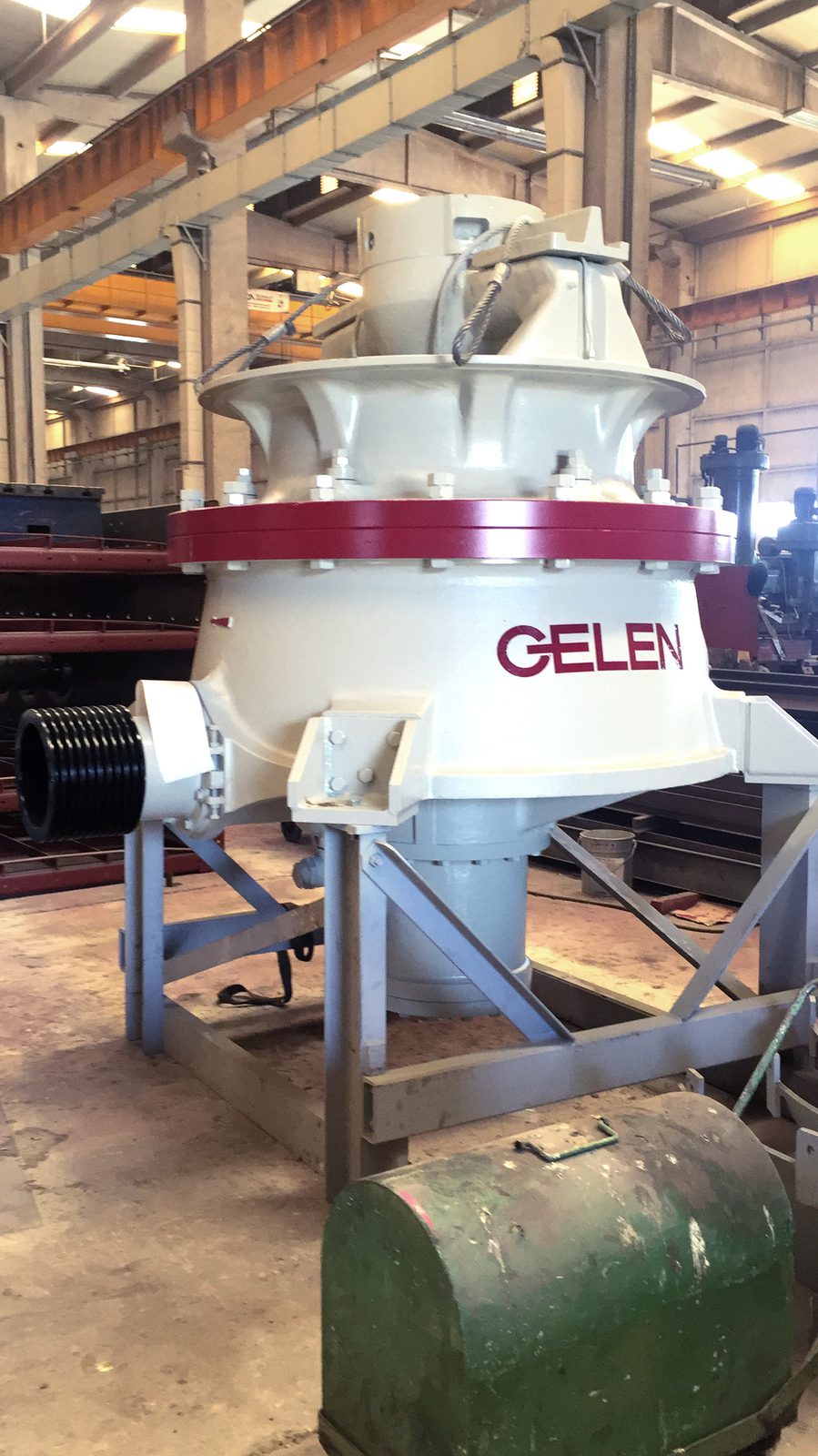
Wear Parts Are a Cost Per Tonne, Not a Price Per Piece
Every machine in a crushing circuit has surfaces that are meant to be consumed. They are the cheapest components to replace and the most expensive to get wrong, because a wear part does not only cost what you pay for it — it decides throughput, product shape, power draw and how often the plant stops.
The number that matters is cost per tonne crushed: the price of the part divided by the tonnes it produces before it comes off. A cheaper plate that lasts half as long is not cheaper, and it costs a second shutdown as well. A plate in the wrong alloy for the feed can be worse than either, because it wears out of profile instead of wearing evenly, and an out-of-profile chamber stops making the product you sold.
Judge a wear part on three things, in this order — tonnes before change-out, what the product looks like at the end of that life, and how long the change-out takes. The invoice is the fourth.
What follows is what wears on each machine type, what decides its life, and the point at which turning a part beats replacing it. GELEN manufactures and supplies these parts, and services the machines they go into — including machines we did not build, whatever badge is on them.
Jaw Crushers — Jaw Plates, Cheek Plates, Toggle
A jaw crusher breaks rock by compression between a fixed and a moving plate, so the plates take the whole duty. Because the work is shared across two large faces rather than concentrated at an impact edge, a jaw crusher has the lowest wear cost per tonne of any crusher in abrasive material — granite, basalt, hard ore — which is a large part of why it holds the primary stage.
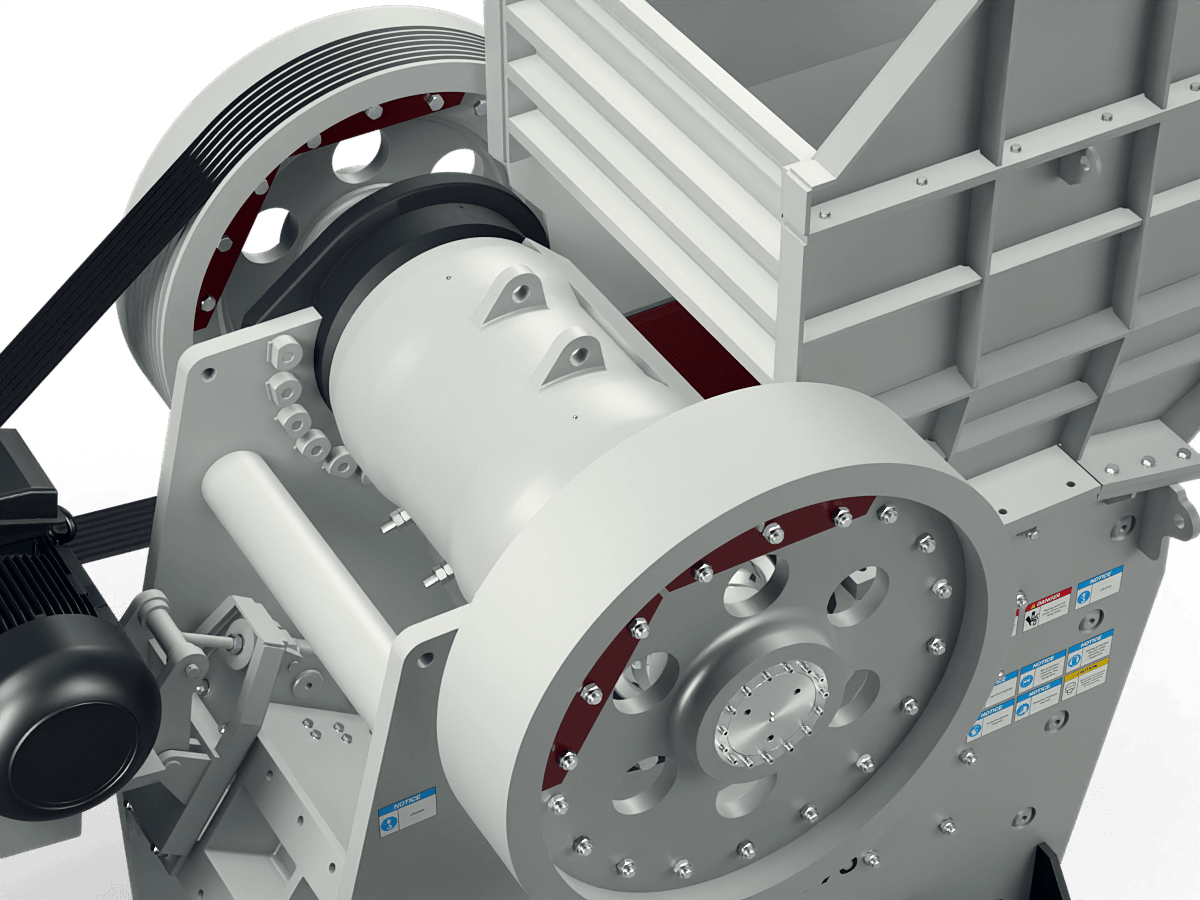
Jaw plates
The two main plates are high-manganese castings, reversible by design. Manganese work-hardens in service — it arrives relatively soft and the surface hardens under impact, which is why a plate that has been run gently at first wears faster later. Feed it properly from the start.
- Turn, do not replace, at roughly half-worn. Both GELEN CK plates are symmetrical and reversible, so the unworn end becomes the working end and you get the second half of the life you already paid for.
- Watch the profile, not just the depth. A plate worn hollow in the middle has lost its grip on the feed; the crusher will slip, the product will coarsen and power draw will fall before anything looks obviously finished.
- Match the alloy to the feed, not to the price list. Standard manganese suits most quarry rock; higher-manganese and alloyed grades earn their cost in high-silica and reinforced-concrete feeds, where impact and abrasion arrive together.
Cheek plates and toggle
Cheek plates protect the side walls of the chamber and are often left too long, because they are not what limits output. Run them past their life and the wear moves into the frame itself, which is no longer a wear part. The toggle plate is the deliberate weak link — it is meant to fail and protect everything behind it when something untreatable enters the chamber, so it is replaced after the event, not nursed.
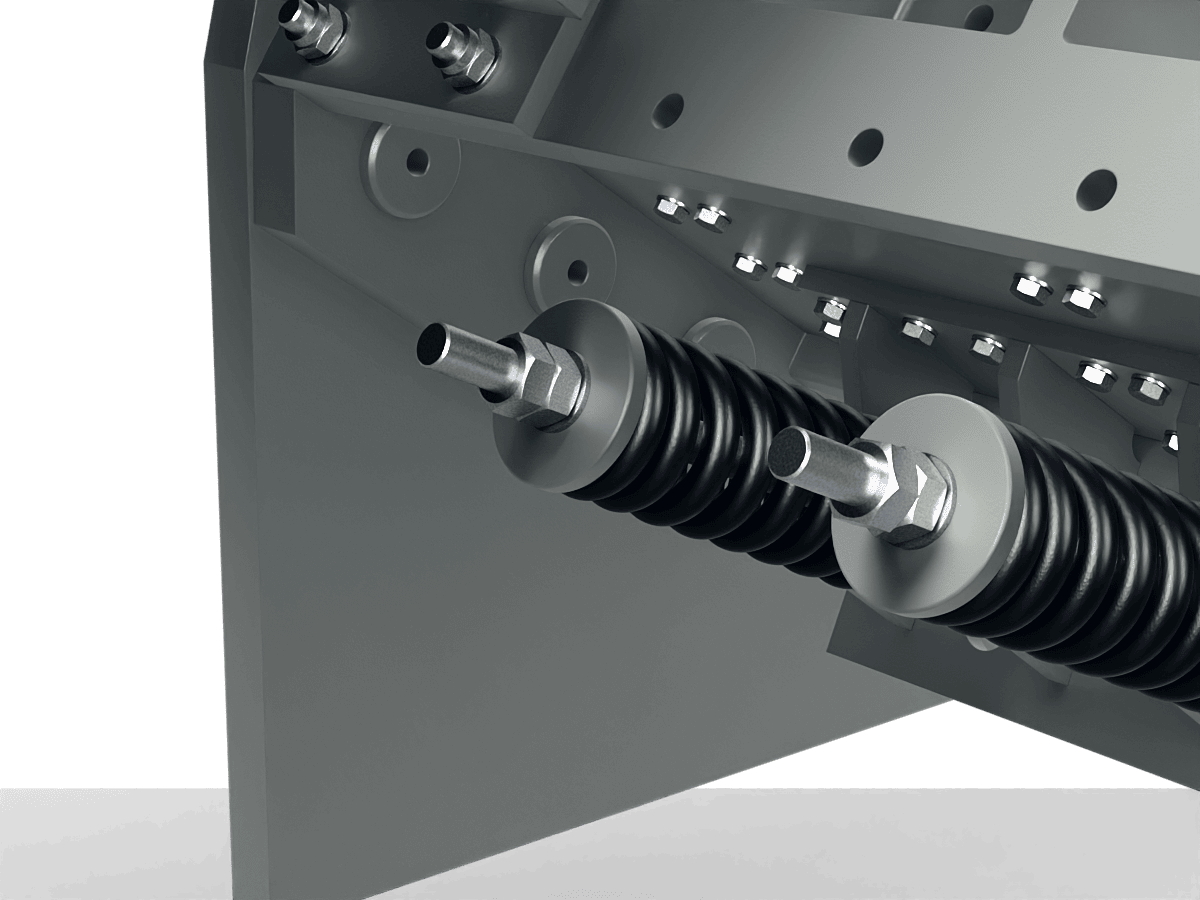
The wedge adjustment sets the closed side setting, and every wear check should end with the setting being reset. Plates wear the setting open; a chamber that has drifted 20 mm wide is sending work downstream that the next stage was never sized for.
Cone Crushers — Mantle and Bowl Liner
A cone crusher works the material between a gyrating mantle and a fixed bowl liner. The pair wears together and is replaced together, and the chamber profile they form between them is what produces the size and shape you are selling.
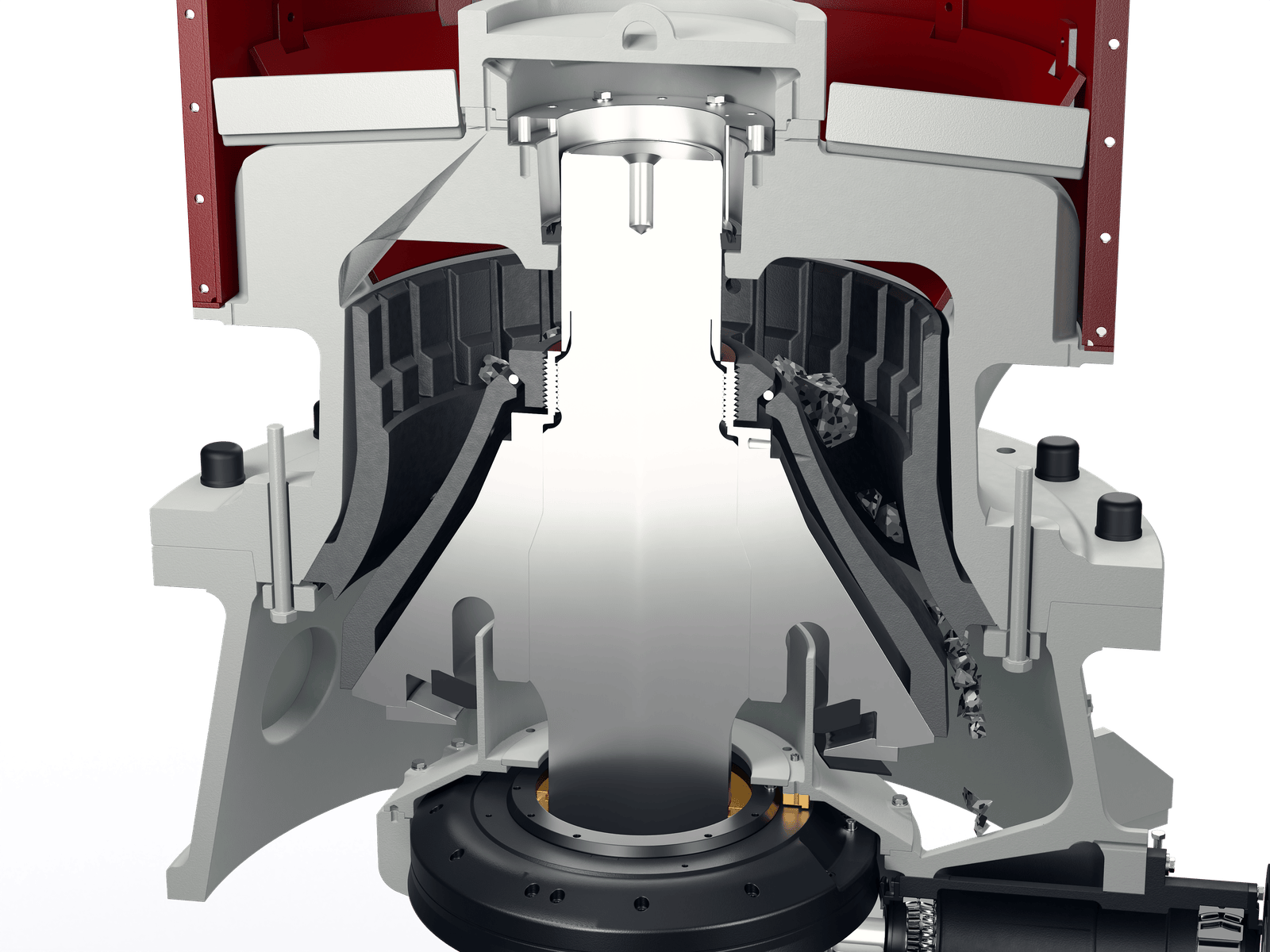
- Chamber choice is a wear decision. Coarse, medium and fine chambers are different liner profiles on the same machine. The right one for your feed gradation lasts longer and holds shape; the wrong one wears out of profile early however good the alloy.
- Keep the chamber full. Choke feeding is the single biggest lever on cone liner life, because rock-on-rock crushing in a full chamber does work that would otherwise be done by the liner. A half-fed cone crusher wears its liners quickly and makes a flakier product while it does it.
- Replace as a set. A new mantle against a worn bowl liner cannot form the designed profile, so the new part wears to match the old one and you lose part of the life you just bought.
Watch the setting rather than the calendar. As liners wear, the setting opens and the product coarsens; when the adjustment has run out of travel to correct it, the liners are finished regardless of how much metal looks left.
Impact Crushers — Blow Bars and Aprons
An impact crusher breaks rock by striking it with bars on a rotor and throwing it against impact aprons. Impact wear is concentrated on a small leading edge, so the alloy choice matters more here than anywhere else in the plant, and so does what is in the feed.
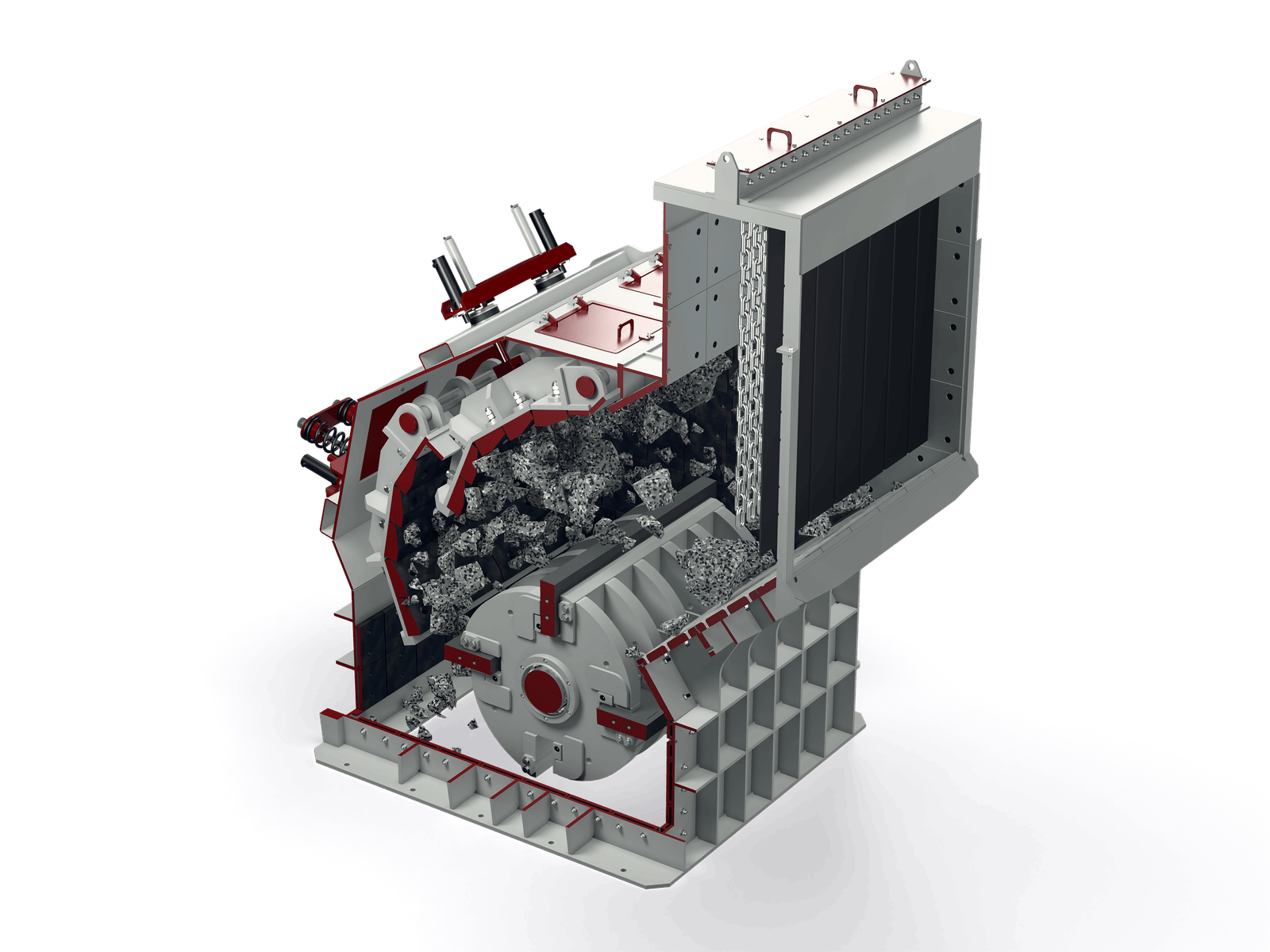
- Blow bar alloy follows the feed. Manganese bars tolerate tramp metal and reinforced concrete, where something untreatable will eventually arrive. Martensitic and chrome bars last considerably longer in clean, non-abrasive limestone but are less forgiving of a steel bar in the feed. Ceramic-insert bars go further again in the right duty, and are the wrong answer for recycling.
- Rotate and balance as a set. Bars are changed as a matched set and the rotor must stay balanced; one new bar against three worn ones vibrates the machine and shortens bearing life, which is a far more expensive component than the bar.
- Reset the apron gaps after every change. The gaps are the product size. New bars with the old gaps make the wrong product on the first shift.
In concrete and demolition recycling, assume tramp metal. Choose the alloy that survives it and a bar retention design that lets you change a set quickly, rather than the alloy with the best life on paper.
VSI Crushers — Wear Tips and Anvils
A vertical shaft impact crusher accelerates material and breaks it against itself or against anvils. It makes manufactured sand and corrects shape, and it is the most wear-sensitive machine in the circuit because everything happens at high velocity in a small space.
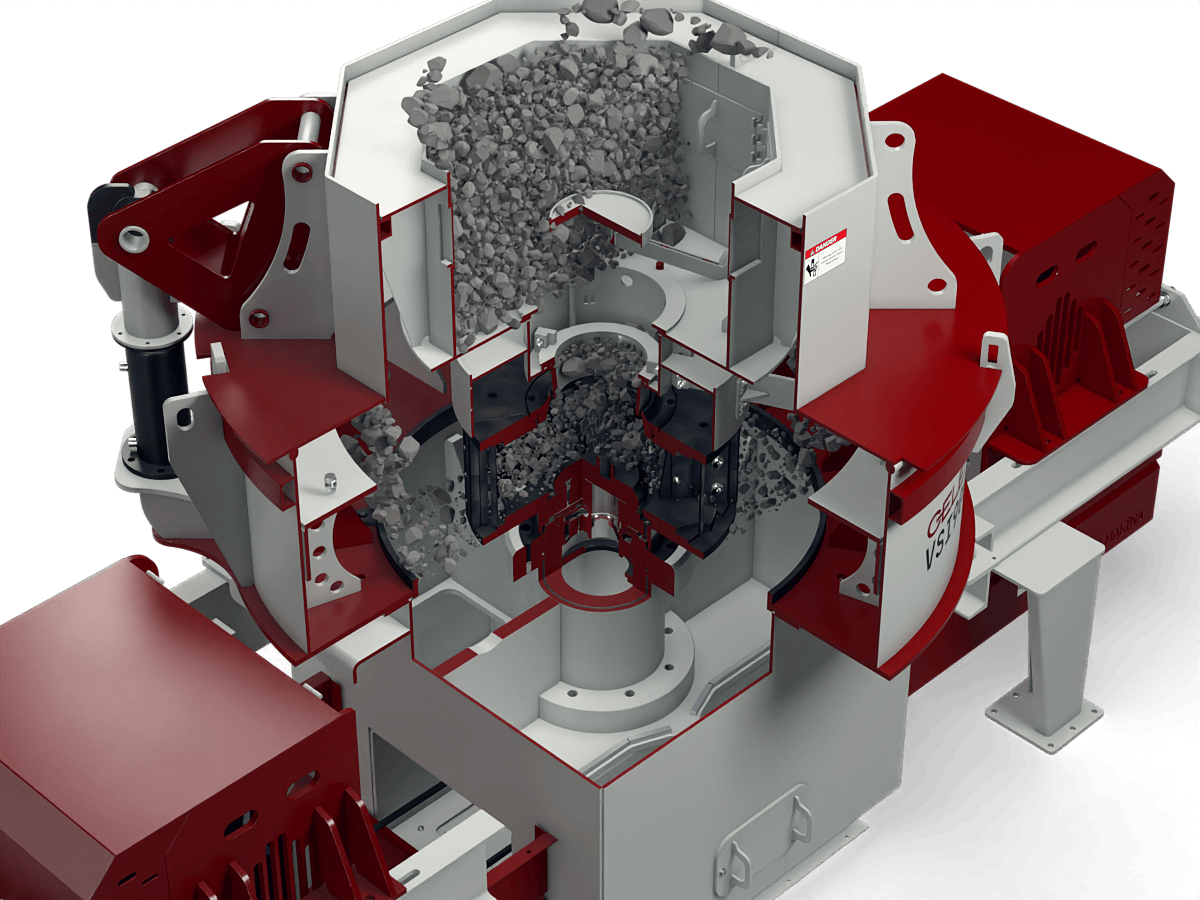
- Replaceable wear tips set the wear budget. They are carbide-faced inserts in a steel holder on the rotor, and they are changed as a balanced set for the same reason blow bars are.
- Feed gradation is the control. A VSI fed outside its design gradation wears tips fast and unevenly, and tip wear shows up as a loss of sand shape long before it shows up as a loss of tonnes.
- Rock-on-rock or rock-on-anvil is a wear trade. Rock-on-rock spends feed material instead of metal and suits abrasive duty; an anvil ring gives a stronger shaping effect and spends anvils.
Feeders and Grizzly Screens — Bars and Liners
Scalping is where wear is cheapest to manage and most often ignored. A vibrating grizzly feeder takes the full primary feed, and its bars and deck liners absorb the impact of everything the loader puts in the hopper.

- Grizzly bars are a profile, not just a steel grade. Tapered bars release material instead of wedging it, so they blind less and wear more evenly. Abrasion-resistant plate steels do well against sliding abrasion; manganese does better where the bars take direct impact from a dumped bucket.
- Bar spacing is a production setting. Spacing decides how much fine material bypasses the crusher entirely. Bars that have worn thinner have also worn the spacing wider, which quietly sends more material around your primary than you intended.
- Liners before structure. Hopper and chute liners exist so the shell does not wear. Replacing a liner is a shift; repairing a worn shell is a shutdown.
The same logic applies to vibrating screens — deck liners, feed boxes and discharge lips are consumable, and the structure behind them should never be.
Turn, Replace, or Rebuild
Three decisions, in increasing order of cost, and the point of a wear programme is to keep as much of your spend as possible in the first two.
- Turn when the part is symmetrical and roughly half-worn, and the profile is still sound: jaw plates, many grizzly bar designs, some apron liners. This is free life.
- Replace when the profile is gone, when the adjustment has run out of travel to correct the setting, or when a matched set has one member finished. Replace sets as sets.
- Rebuild when wear has reached something that is not a wear part — a frame, a rotor body, a bearing housing, a shaft. At that point the question is no longer which part to buy but whether the machine comes back to a workshop or the work goes to the machine.
A rebuild is worth doing when the structure is sound and the duty has not changed. It is worth questioning when the machine has been asked to do a job it was never sized for, because the rebuild will wear out the same way. That is a sizing conversation, not a parts conversation, and it is the more useful one to have.
Parts and Service from GELEN
GELEN has designed and built crushing, screening and washing equipment in Ankara since 1981, and casts and machines the wear parts for it in the same plant. That matters for two practical reasons — the part is made to the drawing the machine was built to, and the people who can tell you why a chamber is wearing out of profile are the people who designed the chamber.
- Wear parts — jaw plates and cheek plates, cone mantles and bowl liners, blow bars and impact aprons, VSI wear tips and anvils, grizzly bars, deck and chute liners, in the alloy the duty calls for rather than the one that happens to be in stock.
- Parts for machines we did not build. If the geometry can be measured, the part can be made. Whatever badge is on the machine, send dimensions or the worn part and we will quote against it.
- Field service and rebuilds — change-outs, chamber and profile inspection, setting and gap resetting, rotor balancing, bearing and shaft work, and rebuilds in our own workshop where the structure warrants it.
- Sizing review — if a wear bill is rising without the tonnage rising with it, the answer is usually upstream of the part. We will say so.
Tell us the machine, the feed and what the wear bill looks like now. If a different alloy, a different chamber or a different setting is the answer, that is a cheaper answer than a new machine and we would rather give you that one.