
Wet Mix Macadam (WMM)
Producing wet mix macadam, graded crushed aggregate mixed with water to its optimum moisture content, for the base course of roads and highways.
- Several aggregate fractions blended
- Optimum moisture for compaction
- 300–550 t/h

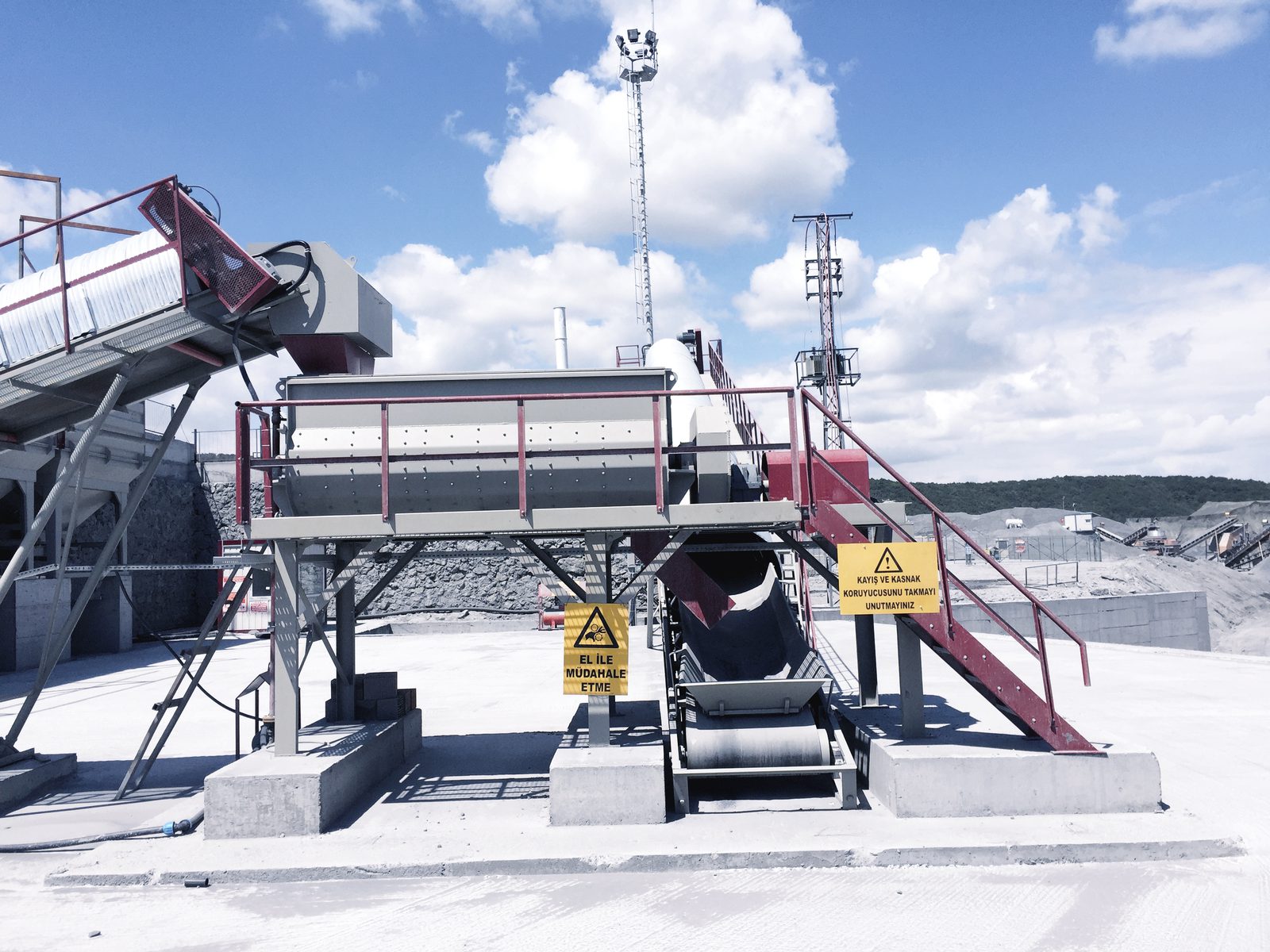
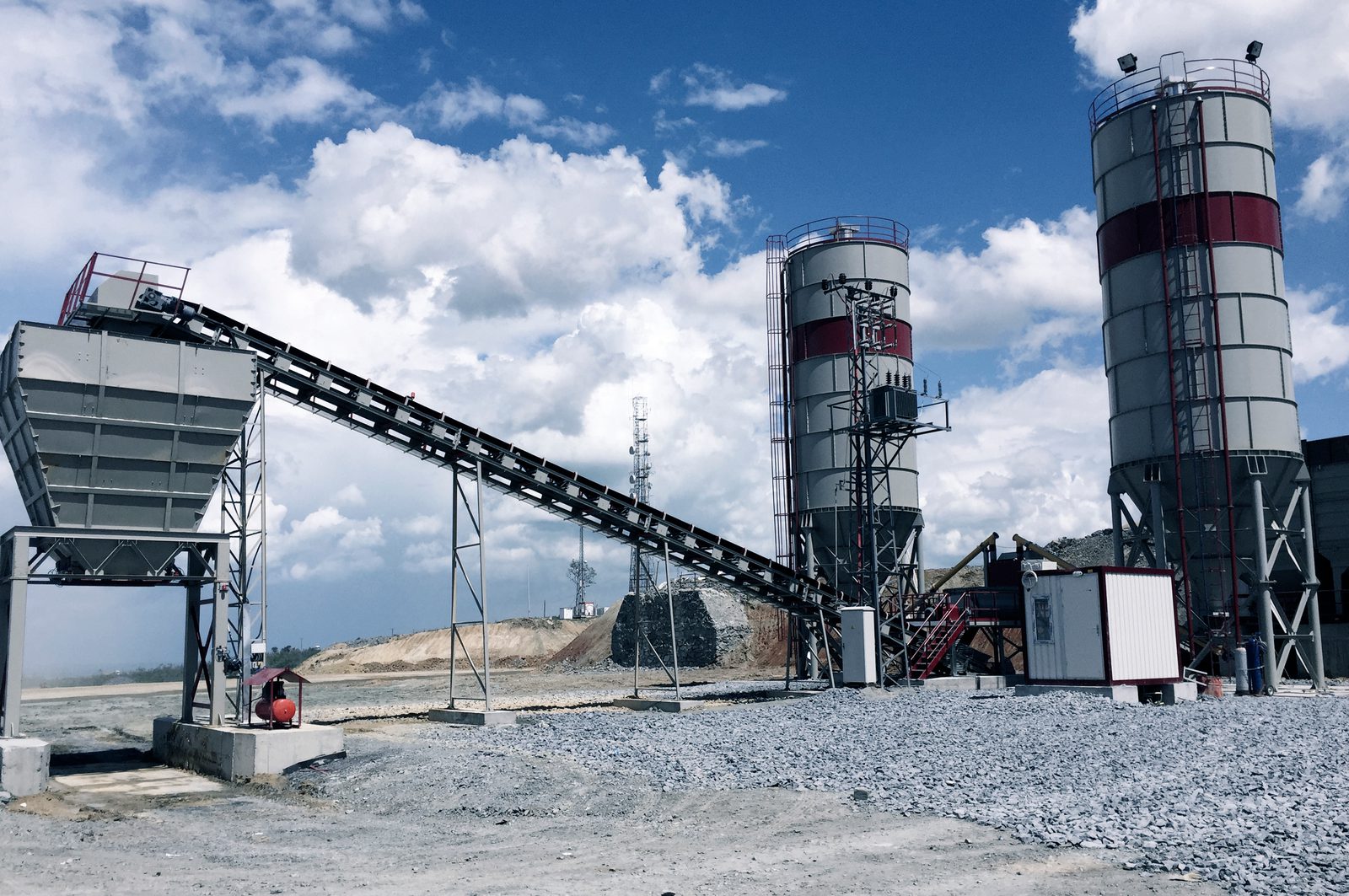
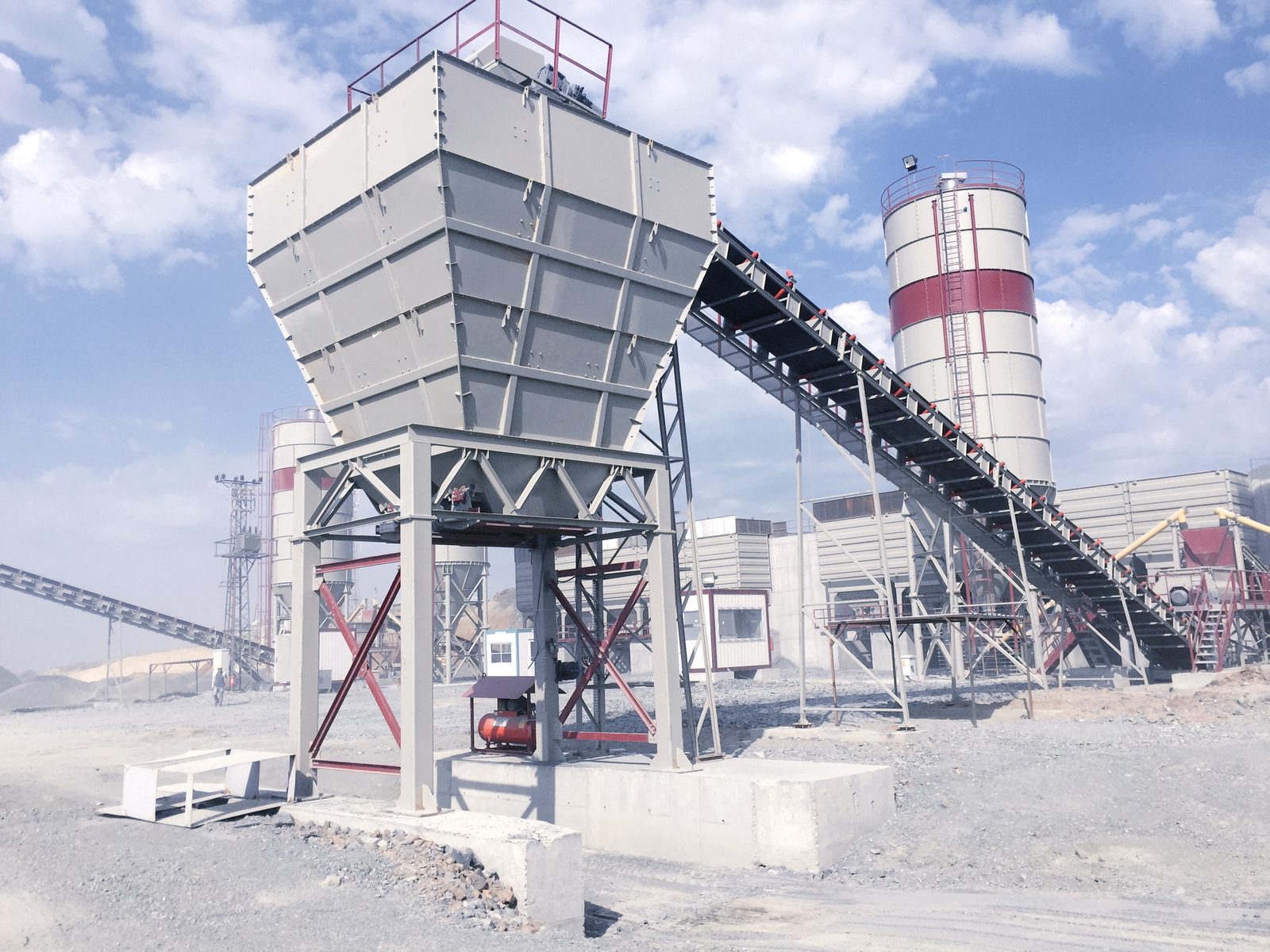
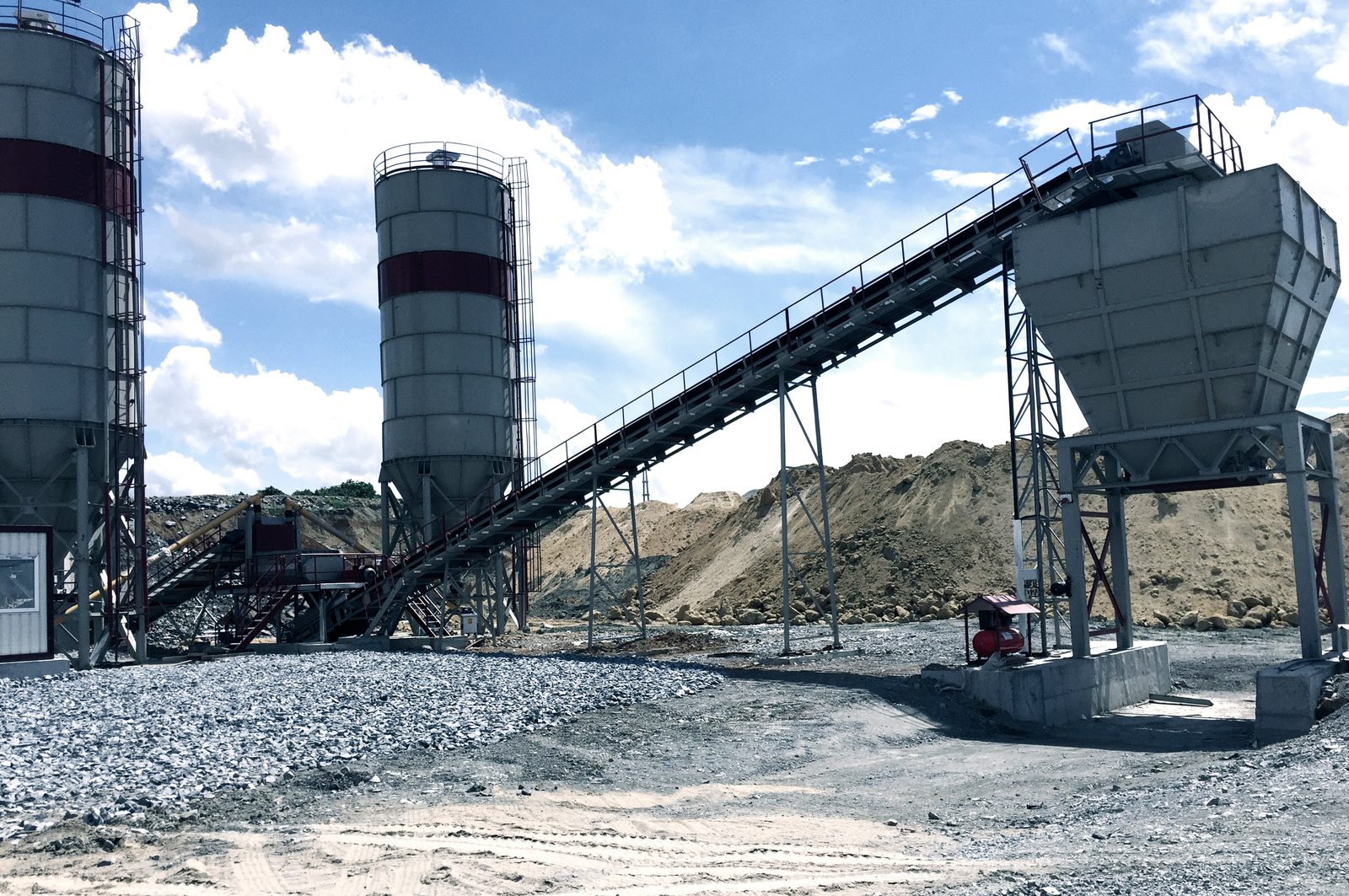
A subbase mixing plant, also known as a pugmill mixing plant, continuously produces the stabilised foundation layers of roads, highways and airport runways. GELEN MP plants proportion the aggregates from feed bins with dosing belts, add water and, for soil stabilization, cement, lime or fly ash in exact amounts, and blend everything in a twin-shaft pugmill with counter-rotating paddle shafts. Two sizes deliver 300–400 t/h and 450–550 t/h in fixed or mobile configurations.
Aggressive, homogeneous mixing: two counter-rotating shafts fitted with paddles, synchronised by timing gears, blend the material thoroughly at the optimum speed.
Optimum moisture: water pumped to an internal spray bar with nozzles is spread evenly through the mix, so wet mix macadam and subbase reach the moisture content they need for compaction.
Accurate binder dosing: dosing belts under each feed bin blend the aggregates to the recipe, and an optional silo with a screw feeder adds cement, lime or fly ash for stabilised base.
Real-time monitoring: motor loads, blending rates and individual feed rates are displayed live in the control cabin, so every mix recipe is produced accurately.
GELEN MP pugmill mixing plants are designed for continuous, high-quality mixing. Two counter-rotating shafts fitted with paddles, driven through timing gears, deliver the optimum mixing speed and consistency, and an internal spray bar with nozzles distributes moisture evenly through the material.
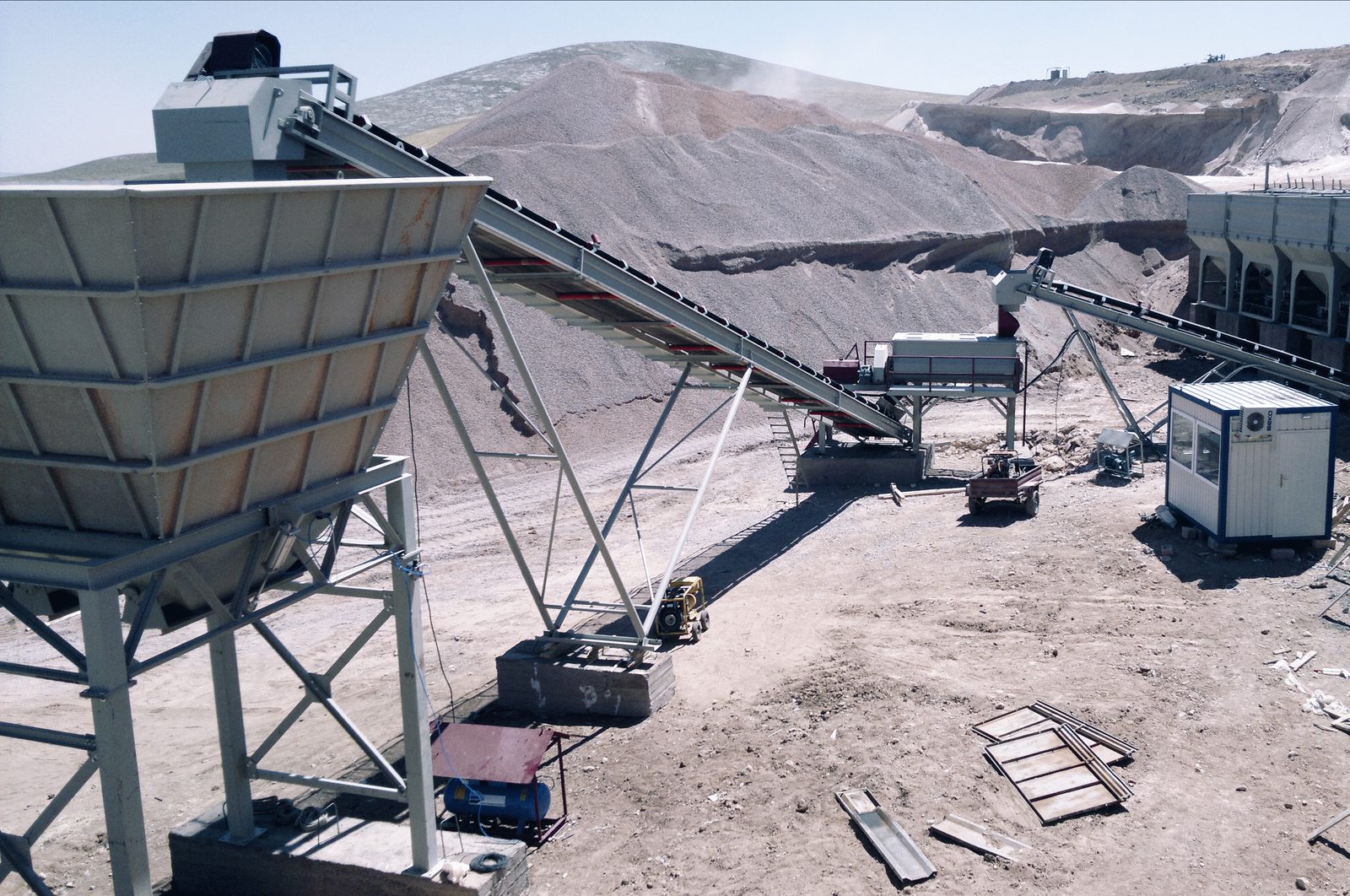
Each plant has a feed system with a minimum of three feed bins equipped with dosing belts, which blend the materials precisely and proportion them automatically for consistent end-product quality. Binder feeding from a silo with a screw feeder can be integrated for cement, lime or fly ash, and the mixed material is held in a base course silo (surge hopper) before loading. Real-time monitoring in the control cabin displays motor loads, blending rates and individual feed rates for every mix recipe.
The MP350 uses four 15 m³ metering hoppers and an SK1226 continuous mixer for 300–400 t/h at 80 kW total installed power. The MP500 uses four 20 m³ hoppers and an SK1430 mixer for 450–550 t/h at 97 kW. Both are available in fixed and mobile configurations.
| Metering Feed Hoppersm³ | Continuous Mixer Type | Base Course Silom³ | Outputt/h | Total Installed PowerkW | |
|---|---|---|---|---|---|
| MP500 | 4 x 20 | SK1430 | 40 | 450–550 | 97 |
| MP350 | 4 x 15 | SK1226 | 25 | 300–400 | 80 |
Output depends on the materials, the recipe and the moisture content.
The MP series is built in two sizes: MP350 (4 × 15 m³ metering hoppers, SK1226 mixer, 25 m³ base course silo, 300–400 t/h, 80 kW) and MP500 (4 × 20 m³ metering hoppers, SK1430 mixer, 40 m³ base course silo, 450–550 t/h, 97 kW). Tell us the materials, the mix designs and the output you need, and GELEN engineering will configure the plant.
Every mixing plant is built to its duty. Send those numbers and an engineer comes back with a size, a drive and what it will do in your circuit.
Size one for meA continuous mixing plant turns separate aggregates, water and binder into one uniform material without stopping between batches.
Aggregates and sand are loaded into the metering hoppers, and dosing belts under each bin feed them in the recipe proportions.
Where the mix is stabilised, a screw feeder under the binder silo adds cement, lime or fly ash to the aggregate flow in the specified amount.
Water is pumped to the internal spray bar and added to the optimum moisture content for compaction.
Two counter-rotating horizontal paddle shafts, synchronised by timing gears, knead and blend the material into a homogeneous mix as it moves through the pugmill.
The mix leaves the pugmill on a conveyor to the base course silo, a surge hopper that loads trucks without stopping production.
MP pugmill plants produce the bound and unbound foundation layers of roads, highways and airport runways: uniform layers that spread traffic loads evenly and help prevent cracking.
Producing wet mix macadam, graded crushed aggregate mixed with water to its optimum moisture content, for the base course of roads and highways.

Blending granular subbase from sand, gravel and crushed stone fractions to the specified gradation for the layer below the base.

Mixing aggregates or soil with cement, lime or fly ash and water for cement-treated base and stabilised layers on highways and airport runways.

Blending recycled aggregates with virgin material and binders for base layers.
What the MP series brings to road and infrastructure projects.
Horizontal paddle shafts turning in opposite directions, synchronised by timing gears, blend the material thoroughly and minimise dead zones in the mixer.
An optional binder system doses cement, lime or fly ash into the aggregate flow for cement-treated base and stabilised soil.
Water is added through nozzles inside the pugmill for even moisture distribution.
A minimum of three feed bins with dosing belts blend materials precisely to each recipe.
Motor loads, blending rates and individual feed rates are displayed live in the control cabin for every mix recipe.
Both sizes are available as fixed or mobile plants, so the plant can move with the project.
The mixing plant sits between aggregate production and the construction site.
Every circuit is different. Send us yours and we will say where a mixing plant fits and what it changes downstream.
Check my circuitBoth produce mixed materials. The output and the material decide.
| Continuous Pugmill (MP) | Batch Mixer | |
|---|---|---|
| Production | Continuous flow | One batch at a time |
| Output | High (300–550 t/h on the MP series) | Limited by batch cycle time |
| Typical materials | WMM, GSB, cement-treated base, stabilised soil | Concrete and small, varied batches |
| Proportioning | Dosing belts and real-time rates | Weighed per batch |
Not sure which one? Send us the duty and an engineer will say which, and what you would give up by choosing the other.
Which one fits?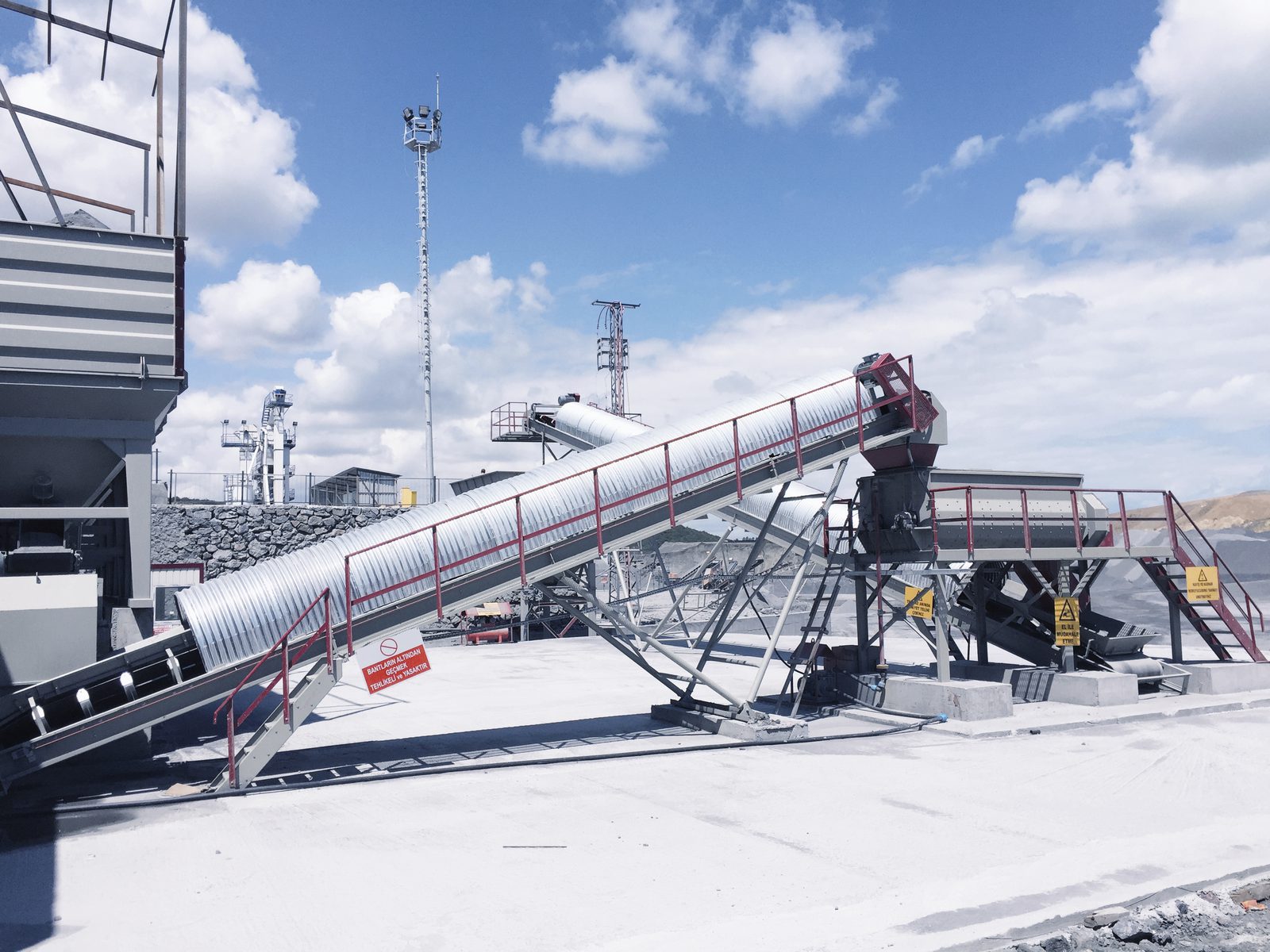
Guides and industry organisations for aggregate and road material producers.
A pugmill mixing plant, also called a subbase mixing plant, continuously produces stabilised foundation materials for roads, highways and airport runways. It mixes aggregates and sand with water and, where specified, binders such as cement, lime or fly ash. GELEN MP plants blend the materials in a twin-shaft pugmill whose two counter-rotating paddle shafts, synchronised by timing gears, give an aggressive, homogeneous mix.
WMM stands for wet mix macadam: graded crushed aggregate mixed with water to its optimum moisture content and laid as the base course of a road. A WMM plant is a pugmill mixing plant set up for this material. Feed bins with dosing belts proportion the aggregate fractions, a spray bar adds the water, and the twin-shaft mixer blends them before the mix is loaded onto trucks. GELEN MP plants produce WMM at 300–550 t/h.
Typical products are wet mix macadam (WMM), granular subbase (GSB), cement-treated base (CTB) and soil stabilised with cement, lime or fly ash, as well as blends with recycled aggregates. Binder feeding from a silo with a screw feeder can be integrated for the stabilised materials.
Each MP plant has at least three feed bins with dosing belts that proportion the aggregates automatically. The optional binder screw feeder adds cement, lime or fly ash in the specified amount, and the pump-fed internal spray bar brings the mix to the target moisture. Real-time monitoring in the control cabin shows motor loads, blending rates and individual feed rates, so each recipe is produced consistently.
The MP350 produces 300–400 t/h with four 15 m³ metering hoppers, an SK1226 mixer, a 25 m³ base course silo and 80 kW total installed power. The MP500 produces 450–550 t/h with four 20 m³ hoppers, an SK1430 mixer, a 40 m³ silo and 97 kW. Output depends on the materials, the recipe and the moisture content.
Yes. Both sizes are available in fixed and mobile configurations, so the plant can be installed permanently at a quarry or moved with a road or airport project.
Road base and subbase work needs large volumes of consistent material. A continuous pugmill produces a steady flow of WMM, GSB or cement-treated base at high output without stopping between batches, while dosing belts and real-time monitoring keep the blend on recipe.
Inspect and replace worn paddles and liners, check the shafts and timing gears, keep the drive and bearings lubricated as specified, and calibrate the dosing belts and the binder screw feeder regularly. Worn paddles reduce mixing quality before they reduce output, so they are the first thing to check.
Send your material, your capacity and the product sizes you need. An engineer answers, not a form.